Vietnam is moving to remove the “appraisal and decision on exemption of land use fees” stage for social housing projects, a change that could speed approvals, cut bureaucratic delays and lower development costs in a segment the government is trying to scale up.
Vietnam Social Housing Fee Exemption Move

The proposal matters because land-use fees are one of the biggest variable costs in Vietnamese housing development, and the approval process often determines whether projects get built at all. By trimming a discretionary step, Hanoi is signaling it wants faster delivery of affordable homes at a time when housing shortages, elevated financing costs and uneven project pipelines are keeping pressure on the sector.
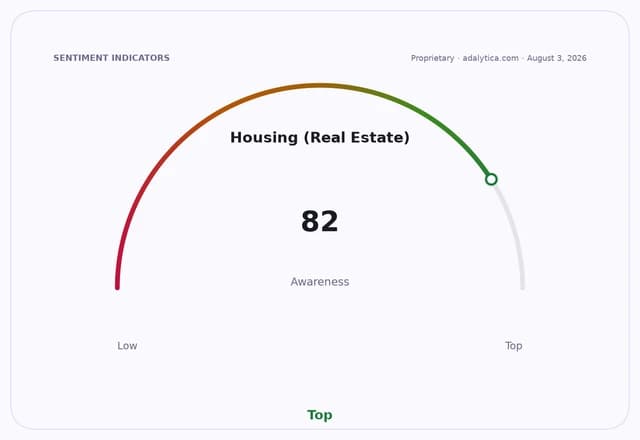
Sentiment IndicatorsⓘProprietary · adalytica.com · August 3, 2026
This is a snapshot — live sentiment, awareness and momentum for 130+ markets update continuously in the dashboard.Open AlphaPulse
For investors, the policy is relevant to developers, construction firms and real estate-related funds with exposure to Vietnamese residential supply. A simpler fee exemption process can improve project viability, raise the number of launches and support cash flows for builders that have been waiting on permits or cost decisions before breaking ground.
The backdrop is a housing market still trying to regain momentum. U.S. homebuilding and mortgage REIT proxies have been volatile in recent months, with the SPDR S&P Homebuilders ETF, XHB, and the Vanguard Real Estate ETF, VNQ, both trading above their 200-day moving averages but showing weaker momentum in late July. XHB finished July 31 at 103.69, below its 50-day average of 107.26, while VNQ ended at 98.95, still above its 50-day average of 97.24.
Macro conditions also support faster housing policy. The U.S. 10-year Treasury yield stood at 4.68% on July 30, while the unemployment rate held at 4.2% in June, underscoring a still-tight but cooling backdrop for rate-sensitive sectors. In that environment, any rule change that lowers development friction can matter more to builders and housing investors looking for incremental supply.
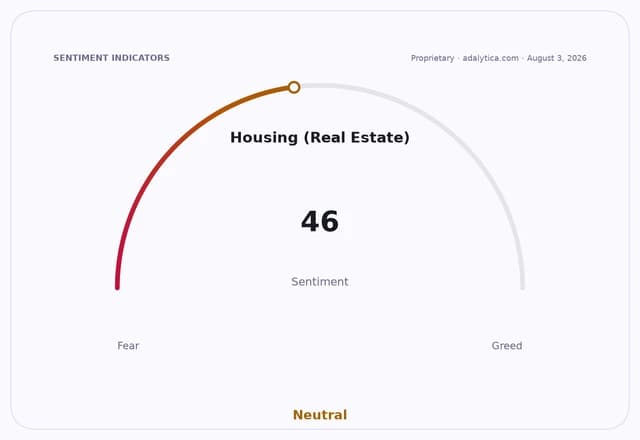
Adalytica’s Housing Fear & Greed Index for XHB rose to a neutral 46 from 36 a day earlier, though it remains down sharply over the past month, suggesting sentiment has stabilized but not fully recovered. The broader message is that housing policy remains a key lever for growth in the sector, and Vietnam’s move could become a template for faster social housing execution if implemented cleanly.
The next catalyst is how quickly the proposal turns into binding rules and whether local authorities apply the new process consistently. If approvals accelerate, developers with land banks and affordable-housing pipelines stand to benefit first, while delays would keep the sector’s cost and supply bottlenecks in place.
| Entity | Gains | Losses |
|---|---|---|
| Vietnamese social housing developers | ▲Faster approvals, lower land costs | ▼Less benefit from delays |
| Homebuyers / renters | ▲More affordable supply | ▼Scarcity pricing |
| Local authorities | ▲Simpler permit workflow | ▼Discretion over exemptions |
| Competitors with slow pipelines | ▲Lower backlog pressure | ▼Higher relative costs |