Visa and a cluster of California-based companies are trimming nearly 3,000 jobs, a sign that corporate America is still leaning on layoffs to protect margins even as the broader U.S. economy keeps adding workers.
Visa trims jobs as California layoffs near 3,000
That matters because the labor market is no longer the one-way story it was during the post-pandemic reopening. The unemployment rate is forecast at 4.18% for July, down only slightly from 4.2% in June, while nonfarm payrolls are still rising. But the latest wave of cuts shows a more selective hiring climate: companies are preserving profitability by slowing headcount growth, restructuring operations and, in some cases, using automation and software to do more with less.
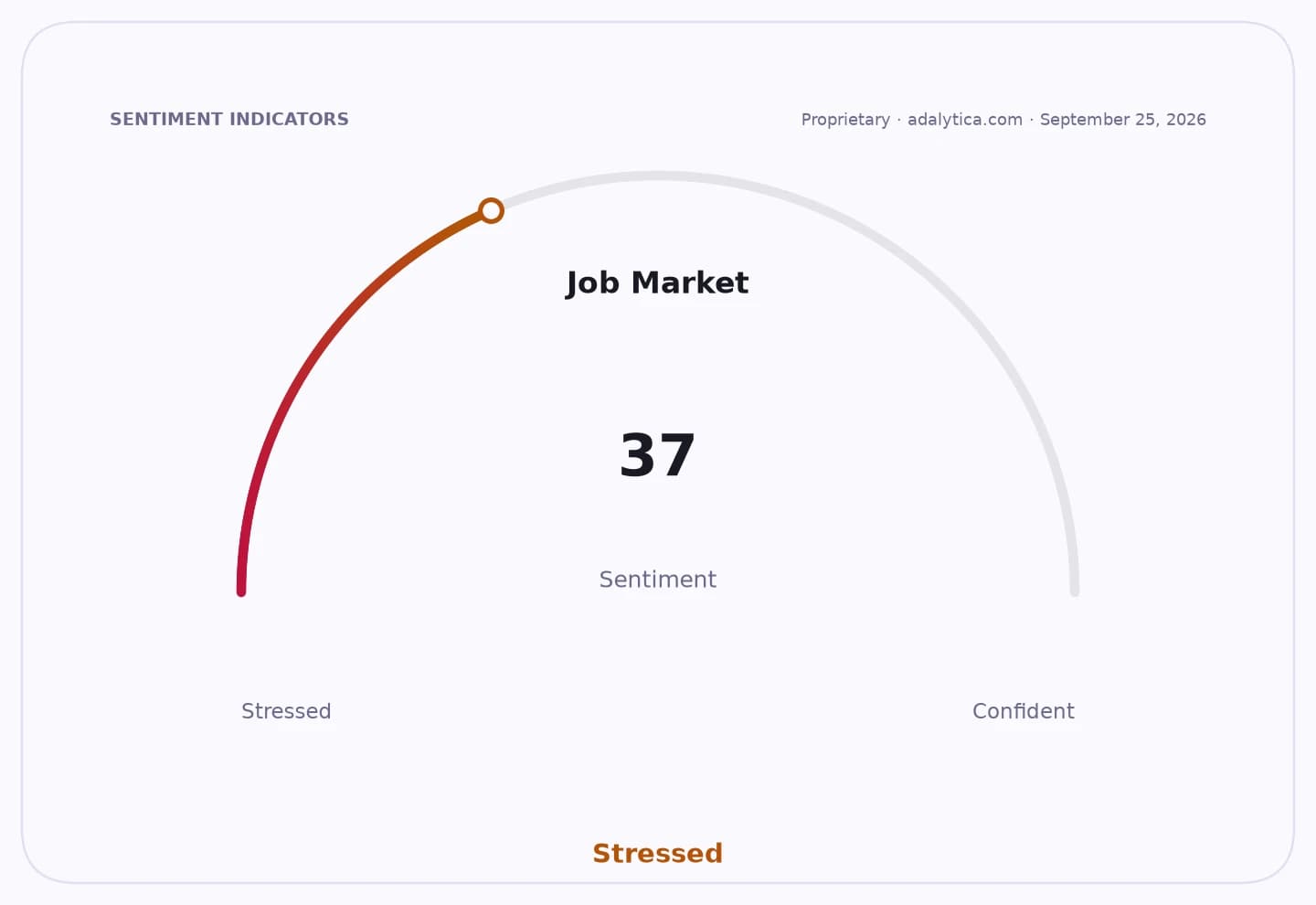
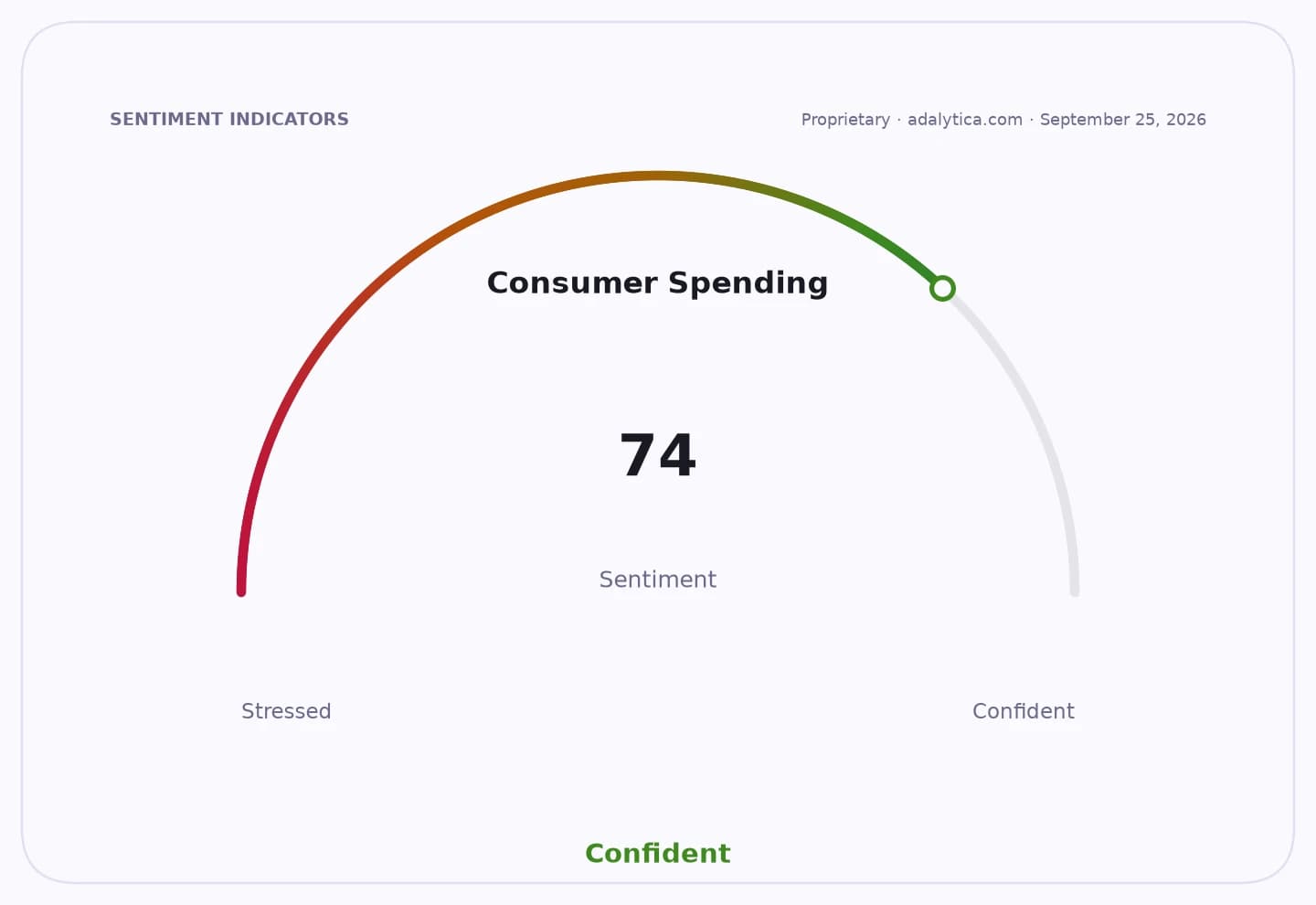
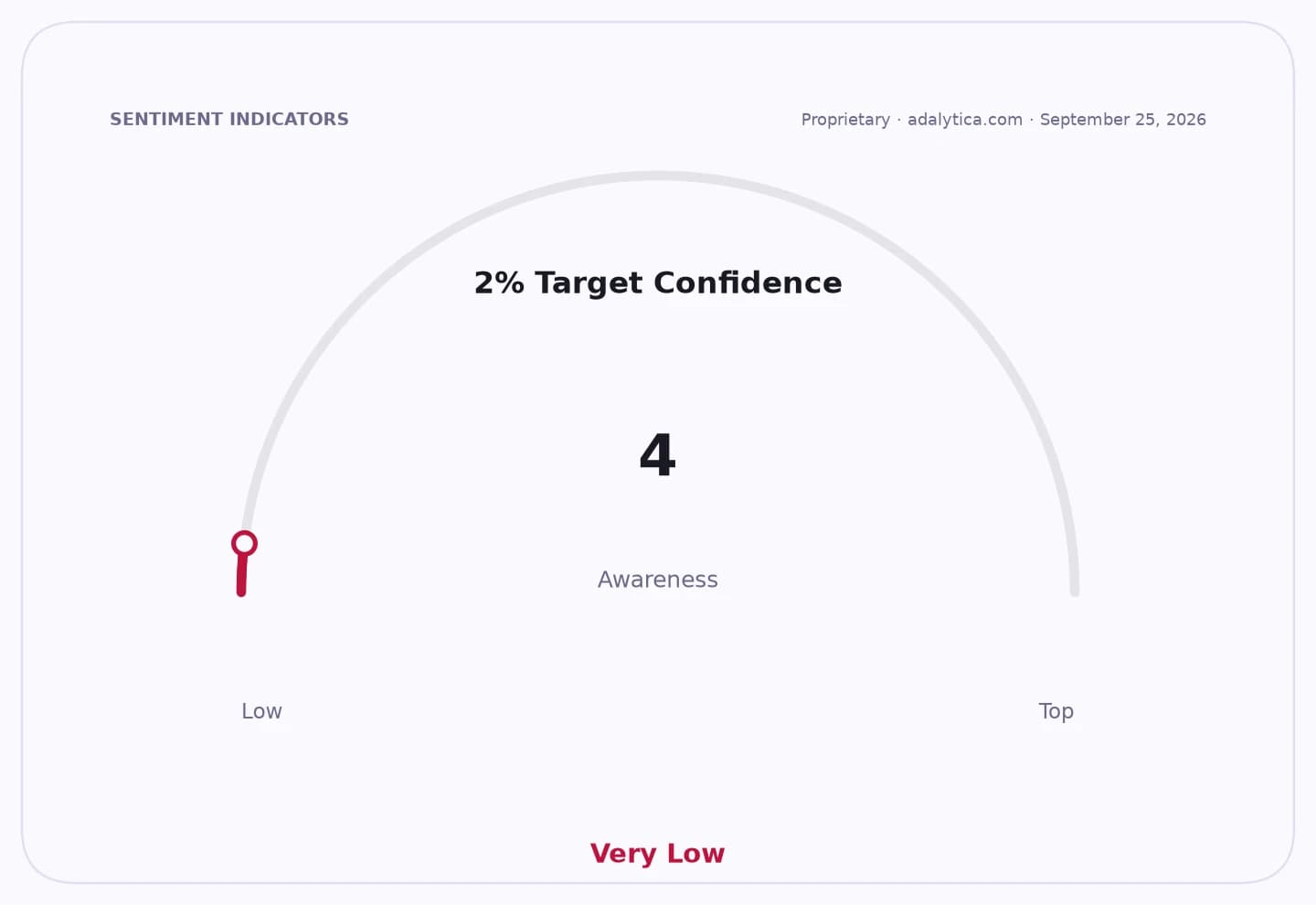
Sentiment IndicatorsⓘProprietary · adalytica.com · July 30, 2026
This is a snapshot — live sentiment, awareness and momentum for 130+ markets update continuously in the dashboard.Open AlphaPulse
For investors, that split is important. Wage growth may cool if more employers follow the same playbook, easing pressure on margins for large-cap technology, payments and software names. But it also raises the risk that revenue growth across consumer and enterprise-facing businesses slows if white-collar job security weakens. The market is already treating the S&P 500 with a mix of confidence and caution: Adalytica’s S&P 500 trade signals show “extreme greed” in awareness, even as sentiment sits at a more neutral 59.
Visa’s own stock has held up well, closing at $368.73 on July 29, above both its 50-day and 200-day moving averages, with RSI readings showing strong momentum. Adobe and Salesforce have also rebounded sharply from spring weakness, suggesting investors are willing to look through cyclical labor compression and focus on cash generation, cost discipline and AI productivity gains. That is the trade here: the market is rewarding companies that can cut labor without breaking growth.
The bigger narrative is that layoffs are no longer confined to distressed industries. They are becoming a capital-allocation tool across high-quality companies, especially in California’s tech and payments ecosystem, where management teams are under pressure to fund AI, software and infrastructure spending while defending margins. That makes the beneficiaries clearer: companies that sell automation, cloud, payments infrastructure and enterprise software. The losers are labor-intensive businesses and the workers caught in the middle of a slower, more efficient economy.
If this pattern spreads, it could reinforce a late-cycle economy in which headline employment holds up, but corporate job security erodes beneath the surface. For investors, that argues for owning the productivity winners and being selective on consumer-exposed names that depend on stable white-collar payrolls. The best positioning is not to fight the layoff cycle, but to own the tools that make it possible.
| Entity | Gains | Losses |
|---|---|---|
| Visa and California employers | ▲Lower costs | ▼Workforce size |
| Automation and software vendors | ▲Higher demand | ▼Labor-intensive models |
| Shareholders | ▲Margin support | ▼Short-term payroll growth |
| Workers and job seekers | ▲Severance packages | ▼Job security |