AI is starting to reshape corporate staffing even as the broader U.S. labor market remains relatively firm, with Visa cutting about 2,600 jobs, or 7% of its workforce, in a push to improve efficiency through automation.
Visa cuts 2,600 jobs as AI automation expands
The move matters because it shows how artificial intelligence is moving from a productivity theme to a headcount decision at profitable blue-chip companies. Visa is not trimming jobs because demand has collapsed; it is doing so while profits rise, underscoring how AI can pressure labor demand even when businesses are healthy.
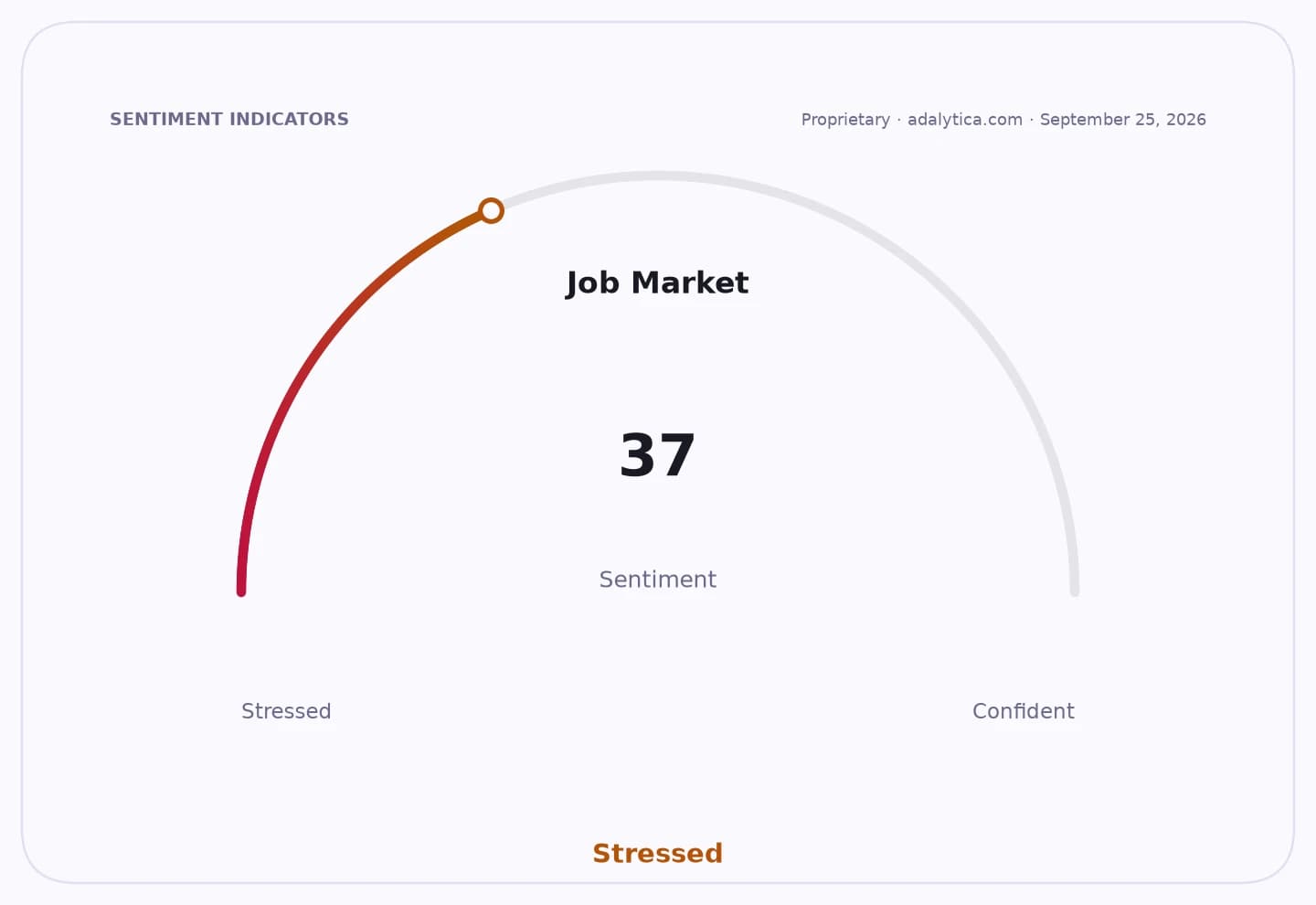
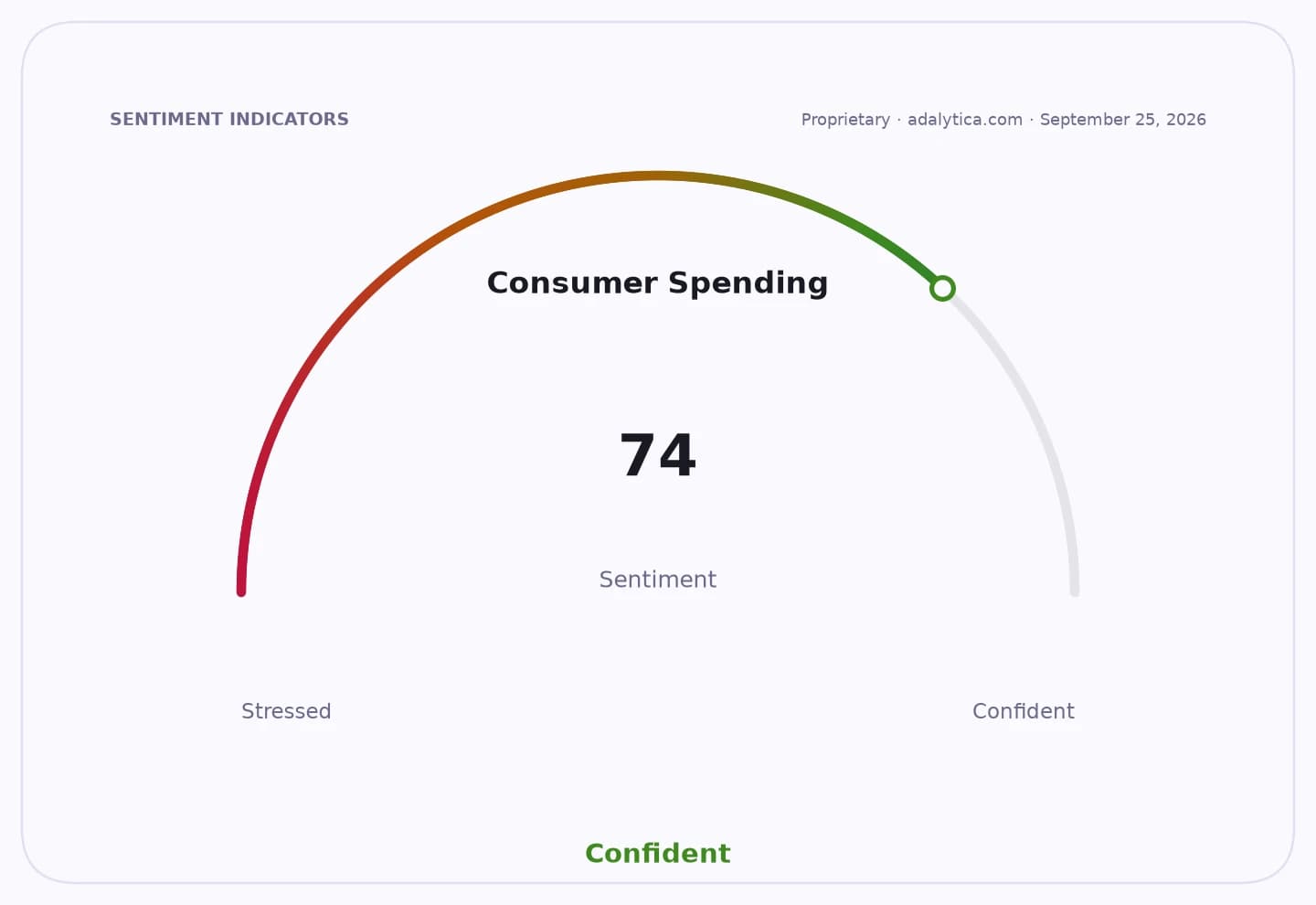
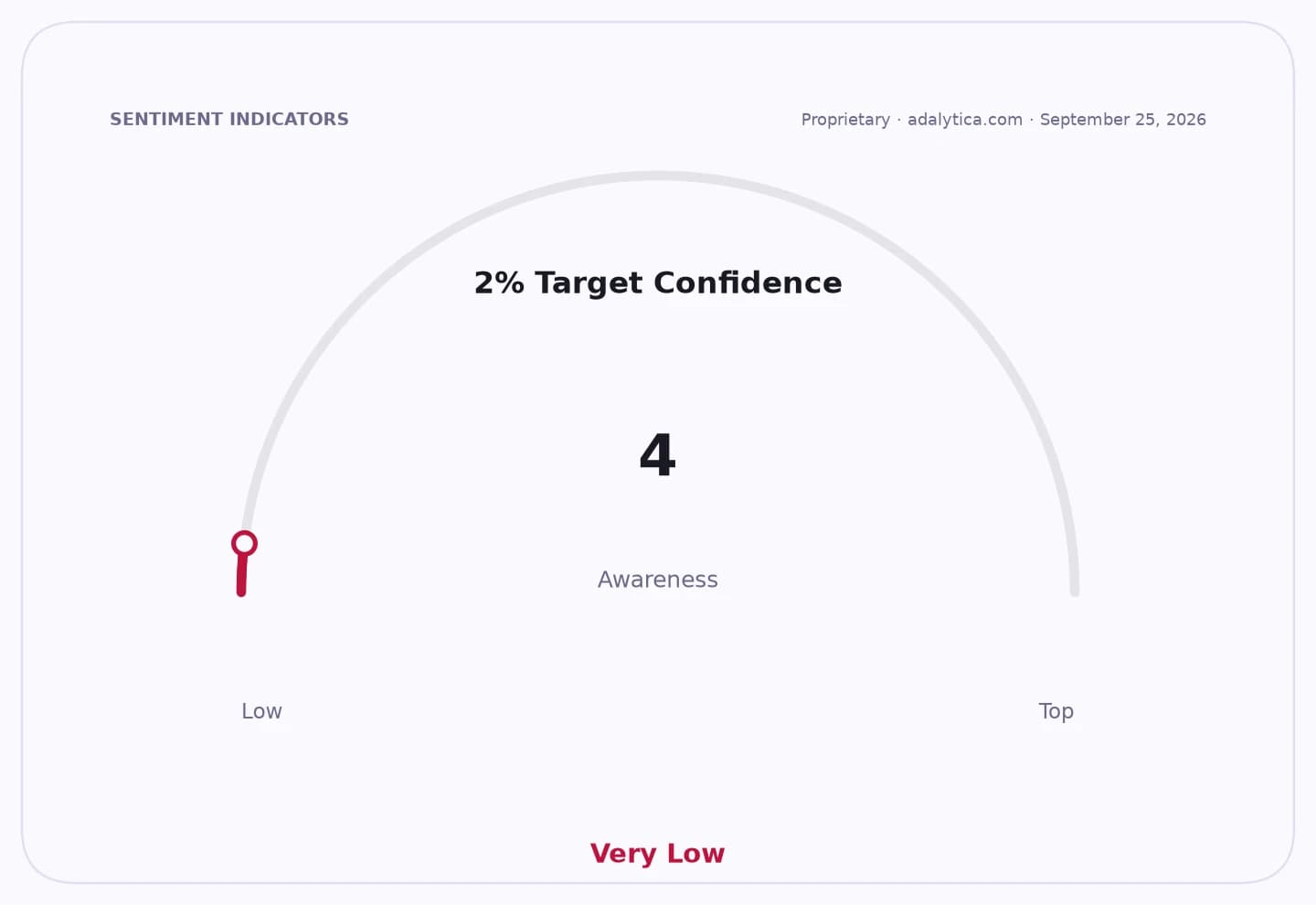
Sentiment IndicatorsⓘProprietary · adalytica.com · August 2, 2026
This is a snapshot — live sentiment, awareness and momentum for 130+ markets update continuously in the dashboard.Open AlphaPulse
That makes the development important for investors watching both margins and employment. If more companies follow Visa’s lead, AI could support earnings by lowering costs while also dampening hiring across corporate America, a mix that would favor shareholders in the near term but complicate the labor outlook over time.
The timing lands against a U.S. job market that is cooling only gradually. The unemployment rate stands at 4.2%, with nonfarm payrolls at 158,984 and forecast to edge up to 159,170.9 in July, suggesting employers are still adding jobs even as select firms begin to use AI to do more with less.
That tension is already visible in market behavior around big-cap technology and automation names. Microsoft shares are back near $465.72, well above their 50-day moving average, after a sharp rebound from June lows, while Nvidia trades around $200.75, roughly in line with its 50-day average but below its 200-day average, reflecting continued investor interest in AI infrastructure even as the labor-market implications grow more concrete.
The message from policymakers and executives is increasingly that AI will change the composition of work more than eliminate it outright. Nvidia Chief Executive Jensen Huang has played down fears of widespread job losses, while the European Central Bank has flagged AI’s growing influence on employment across Europe, where large U.S. firms initially slowed hiring over AI concerns before resuming recruitment.
For investors, the near-term takeaway is clear: AI remains a margin lever, but it is now also a labor-cost story. The next catalyst is likely to come from more corporate restructurings, payroll data and earnings calls showing whether AI-driven efficiency gains are translating into fewer hires, smaller teams or both.
| Entity | Gains | Losses |
|---|---|---|
| Visa | ▲Lower costs, higher efficiency | ▼Workers cut from 2,600 jobs |
| Large-cap AI adopters | ▲Margin expansion, productivity gains | ▼Labor-intensive staffing models |
| AI infrastructure firms | ▲Stronger demand for AI spending | ▼Labor-focused service providers |
| U.S. workers | ▲Potential retraining demand | ▼Hiring growth and job security |