Visa’s promotion of Visa Pay in the Democratic Republic of Congo underscores a bigger shift than a simple product launch: one of Africa’s largest and least banked economies is moving further toward digital commerce, and the companies that can help move money cheaply and securely stand to capture a long runway of transaction growth.
Visa Pushes Deeper Into DRC Digital Payments

For investors, the appeal is not immediate earnings accretion but optionality. The DRC’s payments market remains heavily cash-based, which means even modest gains in digital penetration can translate into outsized growth in card-present, wallet and account-to-account volumes over time. That is the kind of market expansion global payments networks prize because it supports fee income without requiring the capital intensity of lending or branch-based banking. It also fits a broader playbook in emerging markets, where card networks and payment platforms try to embed themselves early in the consumer and merchant journey before local rivals and mobile-money ecosystems entrench themselves.
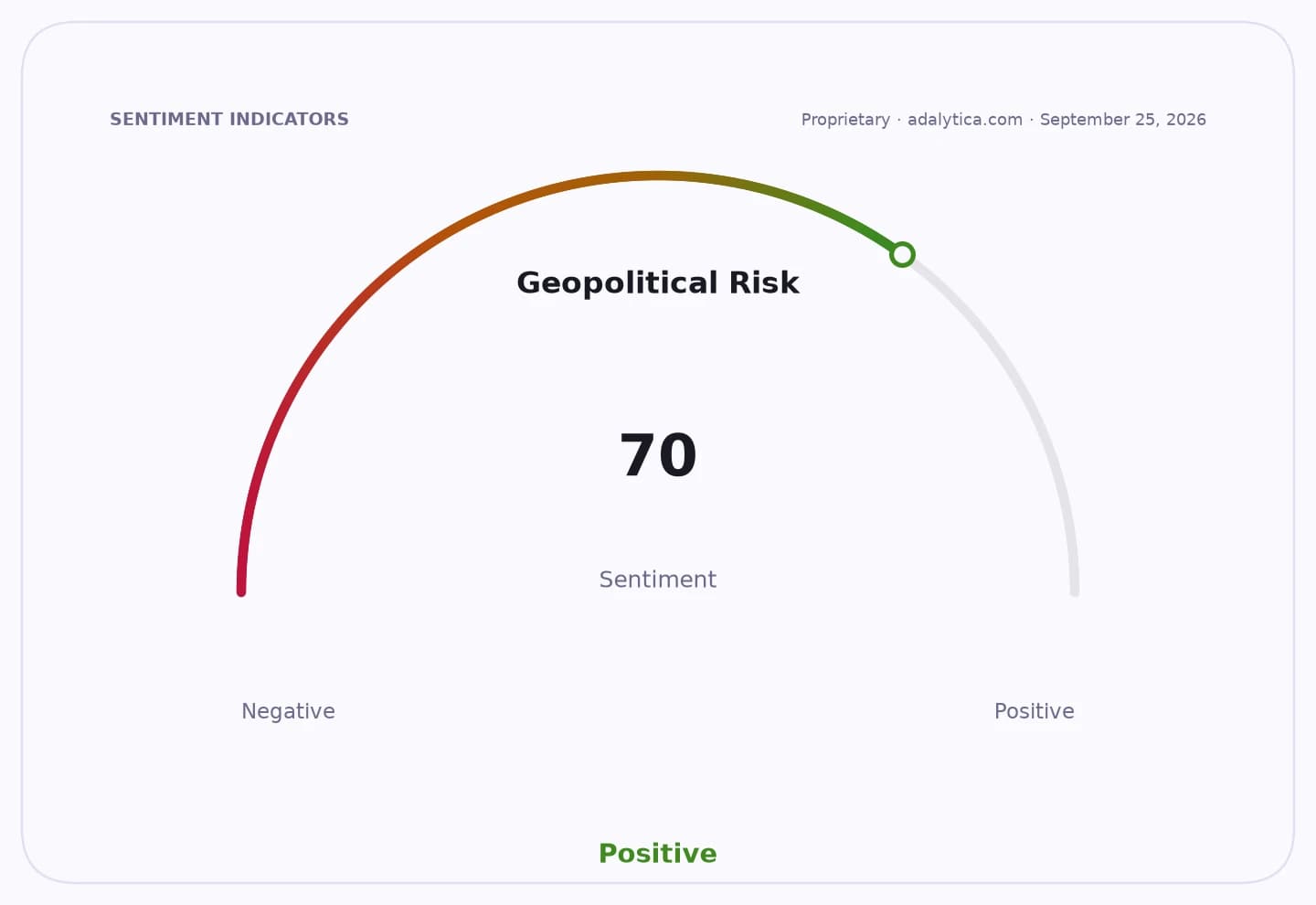
Sentiment IndicatorsⓘProprietary · adalytica.com · July 22, 2026
This is a snapshot — live sentiment, awareness and momentum for 130+ markets update continuously in the dashboard.Open AlphaPulse
The strategic significance is amplified by the regional backdrop. Sub-Saharan Africa remains one of the most underpenetrated regions for electronic payments, yet it is also among the fastest-growing in terms of mobile connectivity and digital adoption. In markets like the DRC, the bottleneck is often not demand for payments but trust, settlement infrastructure and merchant acceptance. A branded push such as Visa Pay can help reduce frictions around acceptance and cross-border usability, especially for urban consumers, merchants and remittance-linked flows. If it scales, the benefit extends beyond Visa to banks, fintech partners and processors that sit in the value chain.
That said, the opportunity is not without risk. The DRC’s economy is exposed to commodity cycles, weak infrastructure and limited formal financial inclusion, all of which can slow adoption. Competition from mobile money operators and domestic wallets is likely to be intense, and digital payments initiatives in frontier markets often take longer to monetize than investors expect. Visa’s stock, meanwhile, has been trading well above its 50-day and 200-day moving averages, but recent price action and momentum indicators suggest the market is still rewarding the company for durable growth rather than this initiative alone. Global Payments and Mastercard remain part of the same secular theme, though the near-term market focus is more on execution, merchant mix and cross-border volumes than on any single country rollout.
The larger narrative is that the payments industry is still in the early innings of digitizing transactions in frontier markets, and the DRC is now part of that contest. If Visa Pay gains traction, it would reinforce the thesis that the next leg of payments growth will come less from mature card markets and more from embedding digital rails in economies where cash still dominates everyday commerce. Investors should watch merchant adoption, regulatory support and whether local partnerships can turn headline expansion into sustained volume.
| Entity | Gains | Losses |
|---|---|---|
| Visa | ▲New growth market | ▼Execution risk |
| DRC consumers and merchants | ▲Easier payments | ▼Cash dependence |
| Local wallet rivals | ▲Market attention | ▼Competitive pressure |
| Global Payments/Mastercard | ▲Sector validation | ▼Share of mind |