Eastern Visayas inflation is expected to stay above the Bangko Sentral ng Pilipinas’ target for the next two years, forcing policymakers to keep interest rates elevated and widening the risk that tighter policy slows the region’s recovery.
Visayas Inflation Keeps BSP Policy Tight

That matters because persistent price pressure in one of the Philippines’ most vulnerable regions can spill into wages, consumer spending and credit demand, while also limiting the central bank’s room to cut rates even if national inflation eases. The BSP’s warning signals that the inflation fight is not yet over for households and businesses in the Visayas, where food, transport and imported goods tend to hit budgets harder.
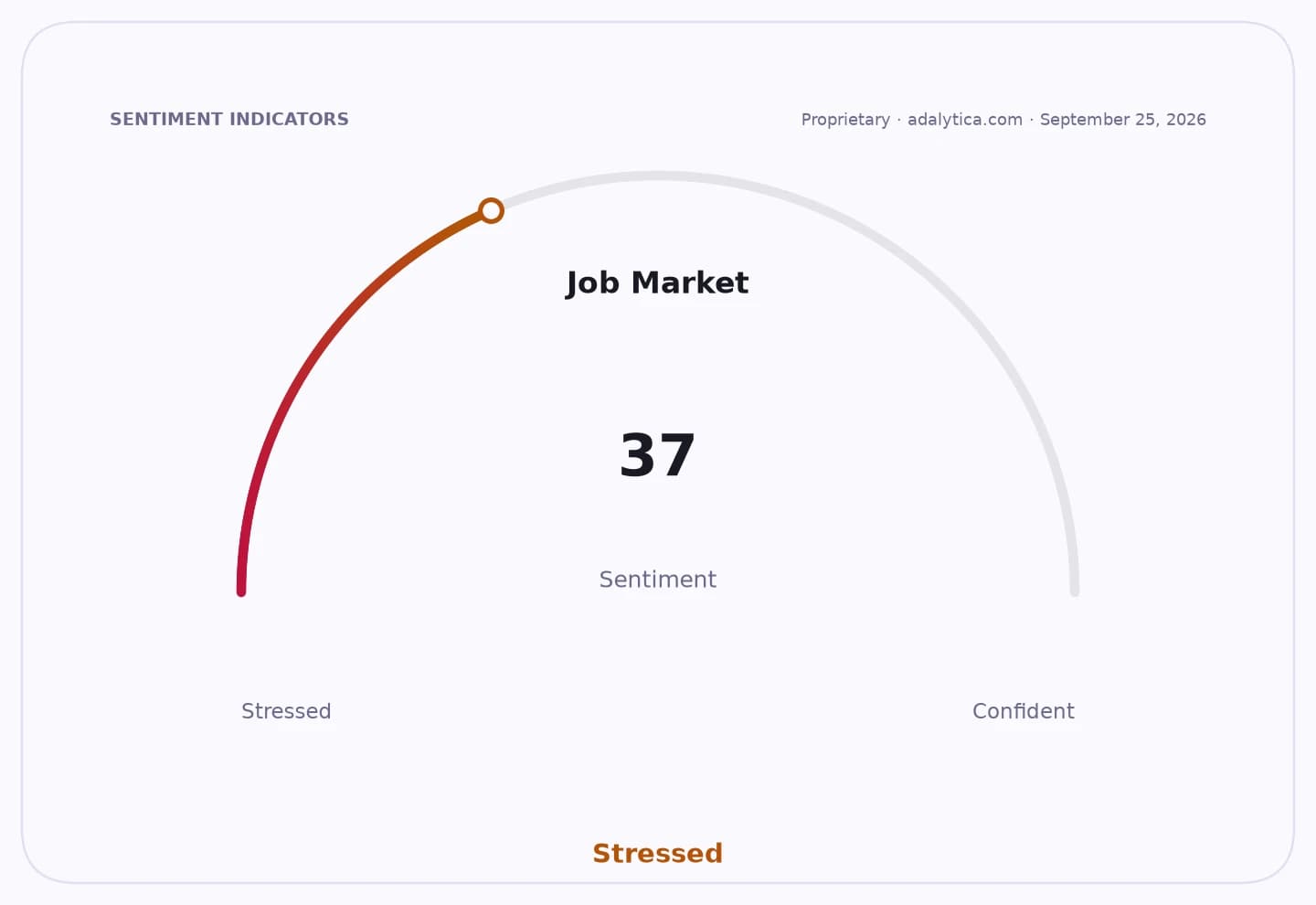
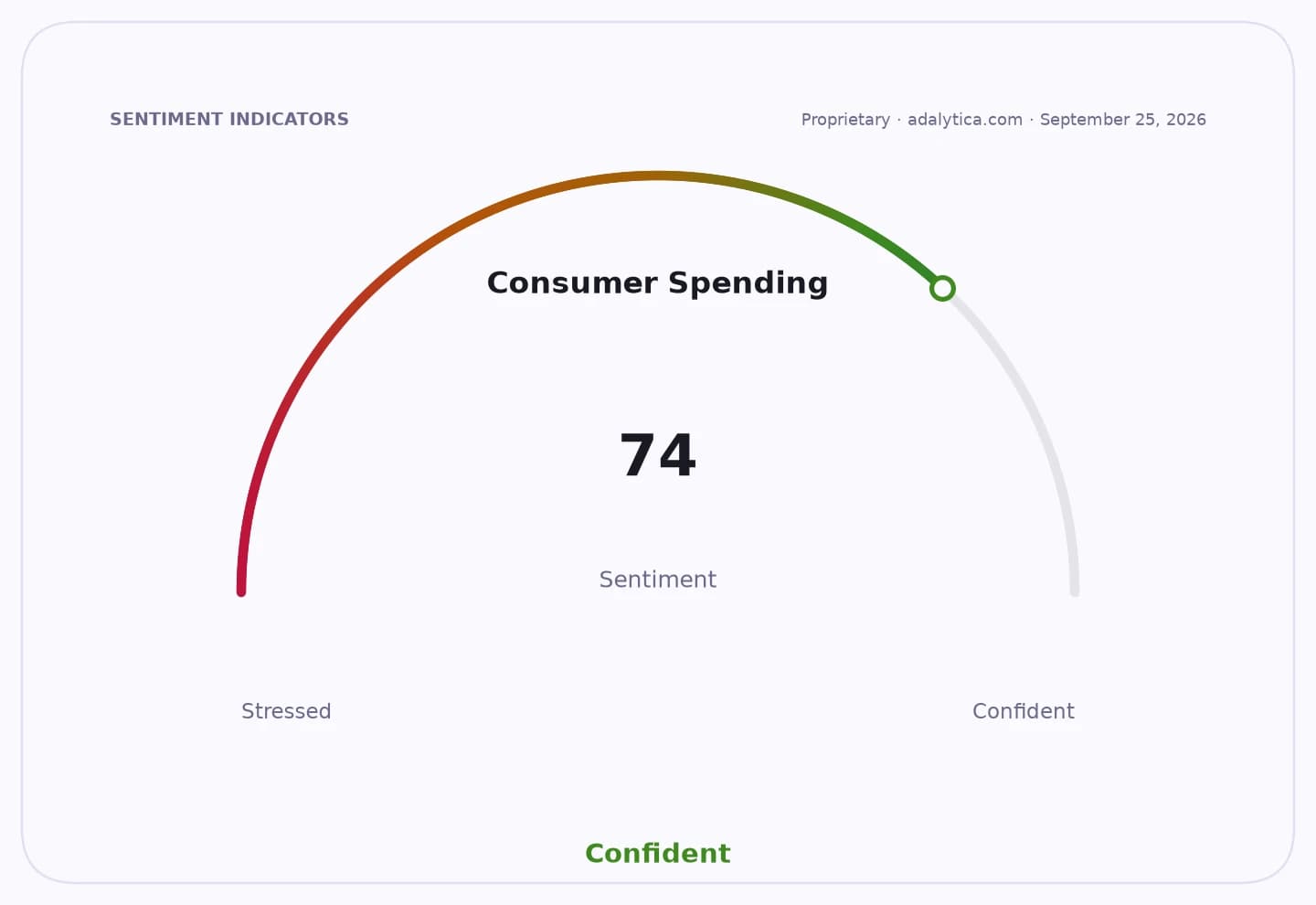
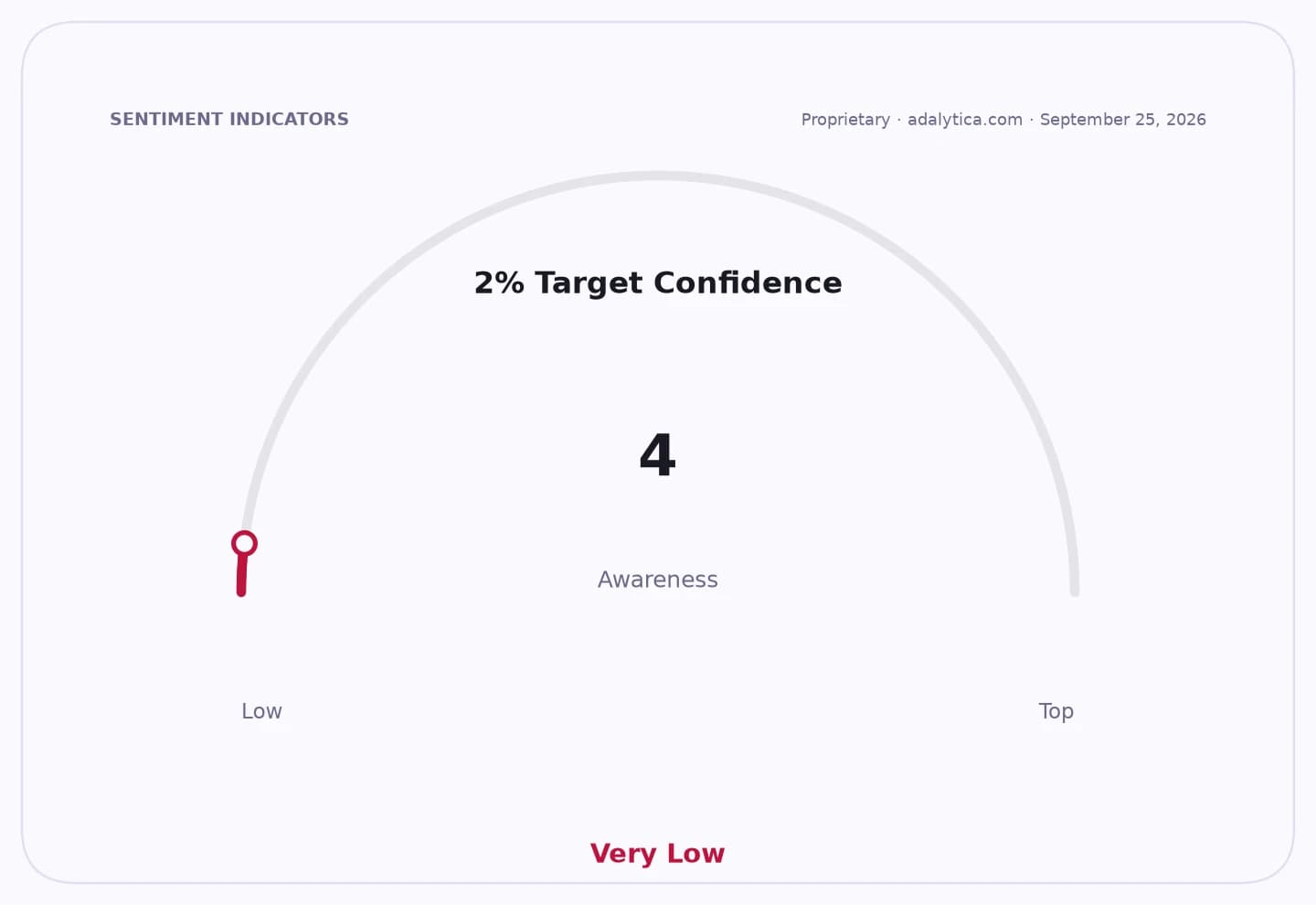
Sentiment IndicatorsⓘProprietary · adalytica.com · July 20, 2026
This is a snapshot — live sentiment, awareness and momentum for 130+ markets update continuously in the dashboard.Open AlphaPulse
The policy backdrop is still restrictive. The central bank has already raised its key rate, and market pricing suggests borrowing costs are likely to stay tight rather than reverse quickly. With the Philippine peso trading near 61.67 per dollar on Monday, after touching 61.53 last week, import costs remain a risk for fuel, food and other essentials.
Conventional technical indicators on the peso point to a steadier but not yet convincing move lower for the currency. The pair is trading just above its 50-day moving average and well above its 200-day average, while RSI readings around 61 suggest momentum has improved but is not stretched.
For investors, the implication is straightforward: the longer inflation stays above target, the more pressure falls on rate-sensitive sectors such as property, consumer lending and discretionary spending, while banks may benefit from wider lending margins but face slower loan growth if demand cools. It also means local bond yields may stay supported as traders price a prolonged hold or only shallow easing cycle.
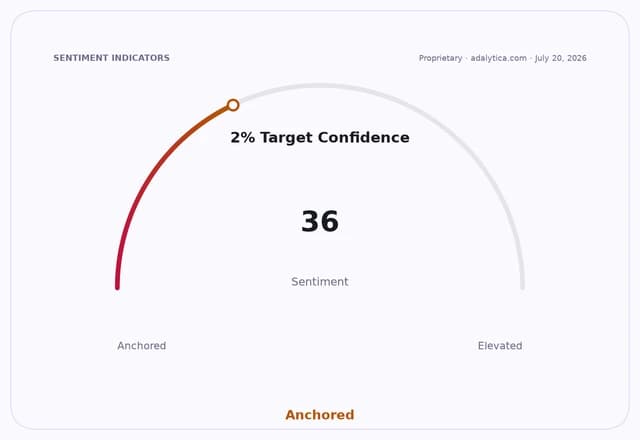
The broader inflation backdrop is still mixed. Adalytica’s measures of confidence in the Fed’s 2% inflation target remain neutral at 36, while long-term inflation expectations have climbed to 79, underscoring how sticky price concerns remain globally even as US inflation has eased and the dollar has softened.
The key catalyst now is whether upcoming regional price prints and the next BSP policy signal confirm that inflation is cooling fast enough to justify relief, or whether the central bank has to keep policy tight for longer than markets want.
| Entity | Gains | Losses |
|---|---|---|
| BSP hawks | ▲inflation credibility | ▼growth flexibility |
| Savers/banks | ▲higher yields | ▼loan demand |
| Borrowers/consumers | ▲— | ▼higher financing costs |
| Import-dependent firms | ▲— | ▼peso-driven cost pressure |