Wage pressure is starting to outrun productivity again, and that gap matters because it is the cleanest route to sticky inflation, margin compression and a more selective market. The latest signals from Europe point to another round of wage gains even as output growth remains fragile, reinforcing a pattern investors should not ignore: labor costs are being bid higher faster than economies can absorb them.
Wage Pressures Favor Automation Over Labor-Heavy Stocks
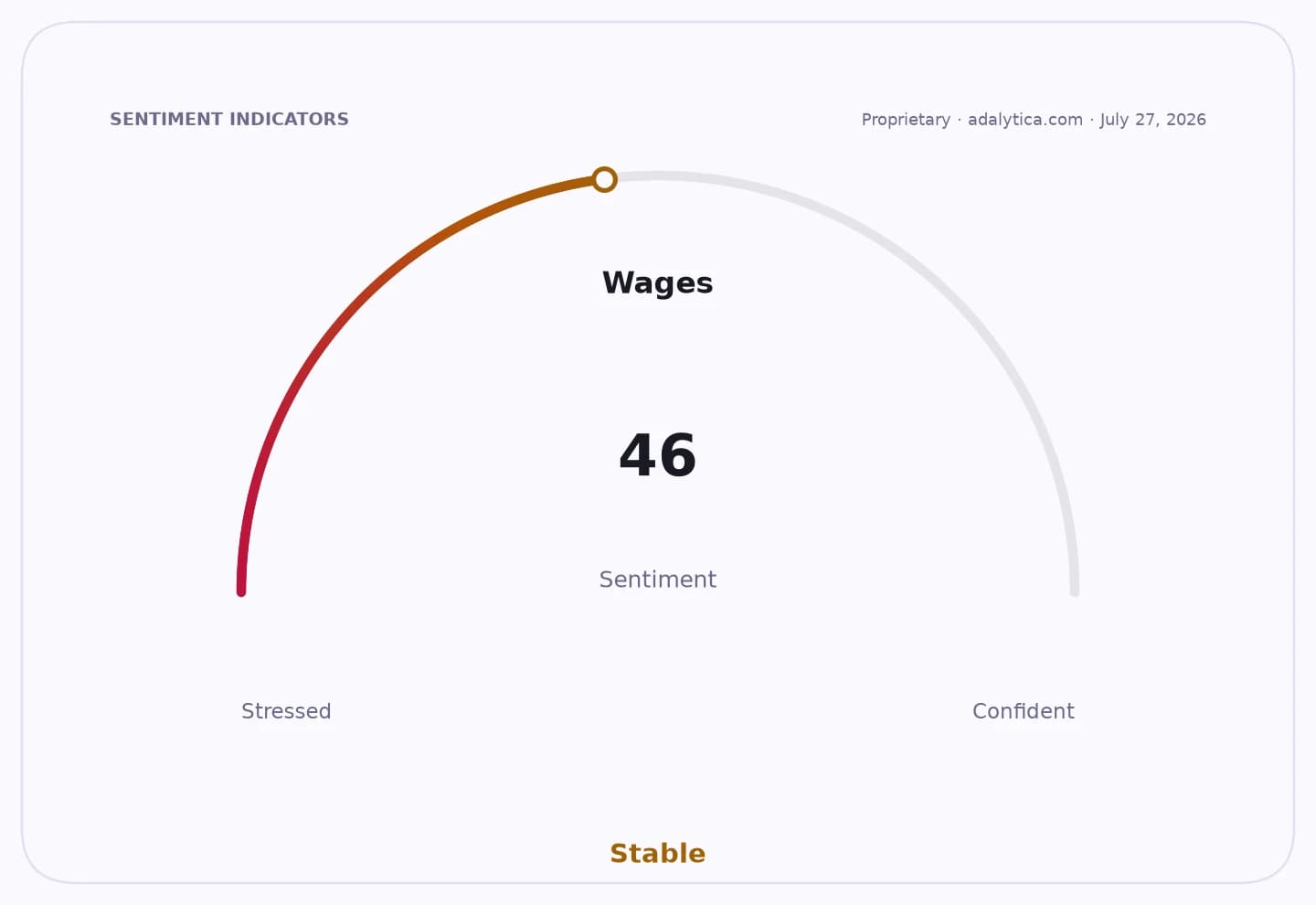
The immediate catalyst is the renewed push for higher minimum pay in Portugal, where the CGTP wants an immediate lift to 1,050 euros this year while the National Wage Council has already agreed to a 7.8% regional minimum-wage increase from Jan. 1, 2027. The government’s broader aim is to reach a 950-euro minimum wage and an average gross wage of 1,500 euros by 2027. That may sound incremental, but for companies in labor-intensive sectors it is another pressure point in an environment where productivity gains are not keeping pace.
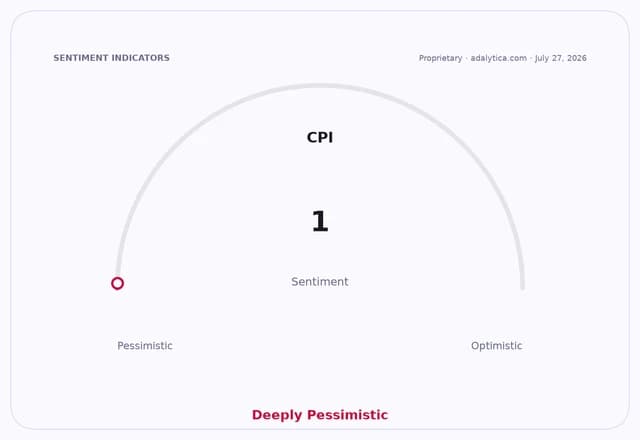
That is the core economic problem. When wage growth outstrips productivity, employers have only three choices: absorb the hit in margins, pass it through in prices, or cut hiring and investment. None is especially friendly for growth. For Europe, where demand is already uneven and manufacturers are battling weak activity, the risk is that wage policy becomes a slow-burn inflation engine just as policymakers are trying to preserve stability.
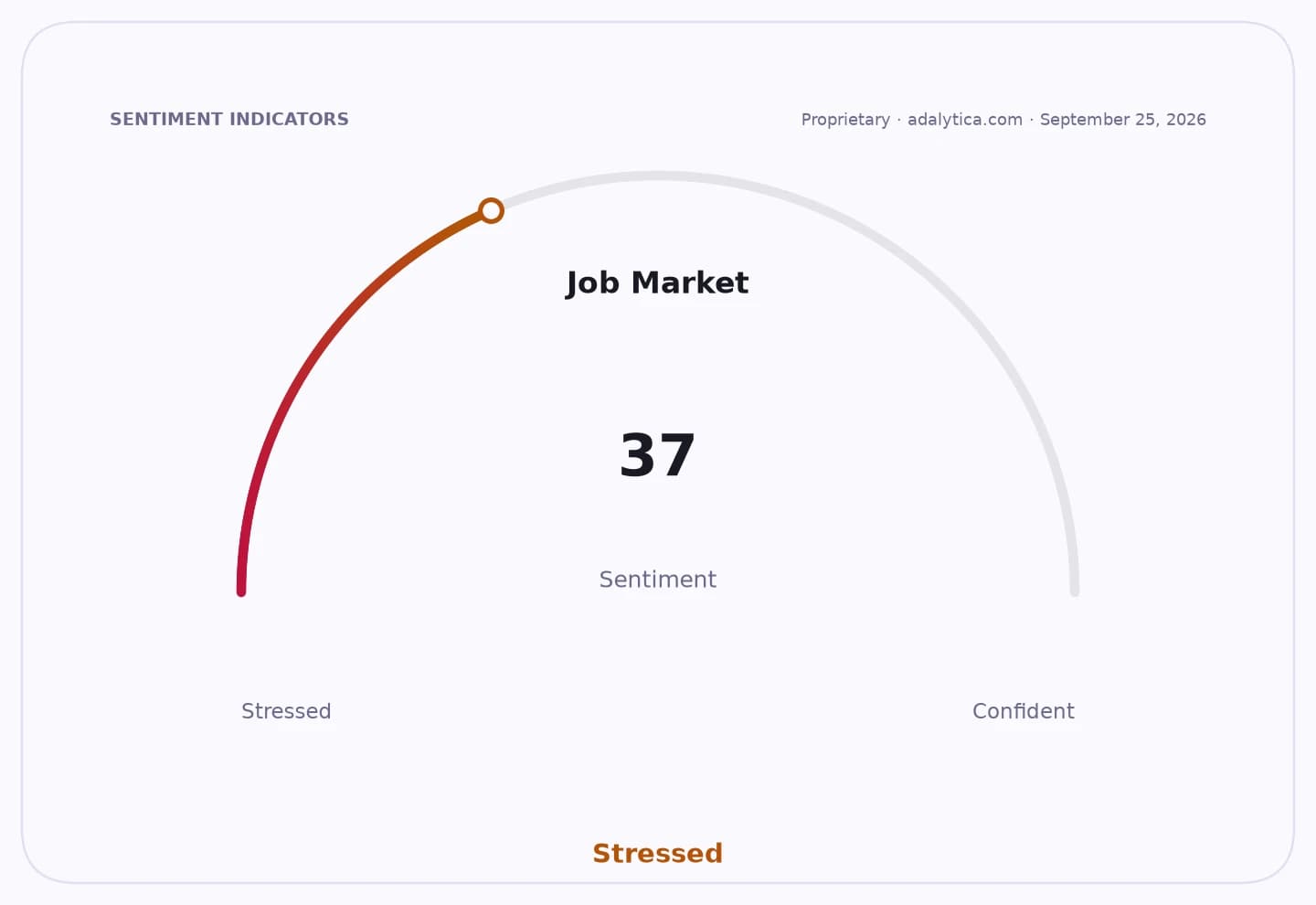
The broader macro backdrop reinforces that message. U.S. unemployment is still low at 4.2%, and the labor market is tight enough to keep compensation firm even if the Federal Reserve and other central banks want a cleaner disinflation path. At the same time, the Fed’s balance sheet remains far above pre-pandemic levels at about $6.75 trillion, a reminder that policy is still working through an economy that has been structurally altered by years of excess liquidity and higher nominal wage bargaining power. In other words, the market is not operating in a regime where wage restraint arrives quickly.
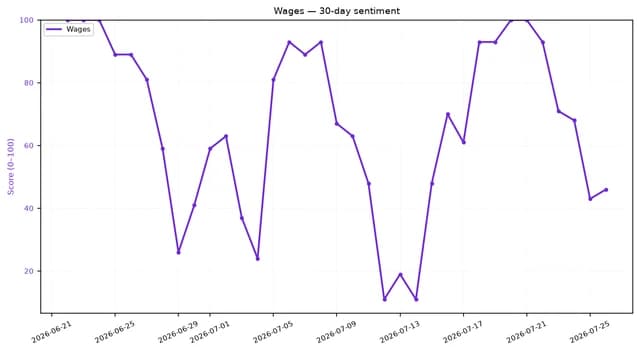
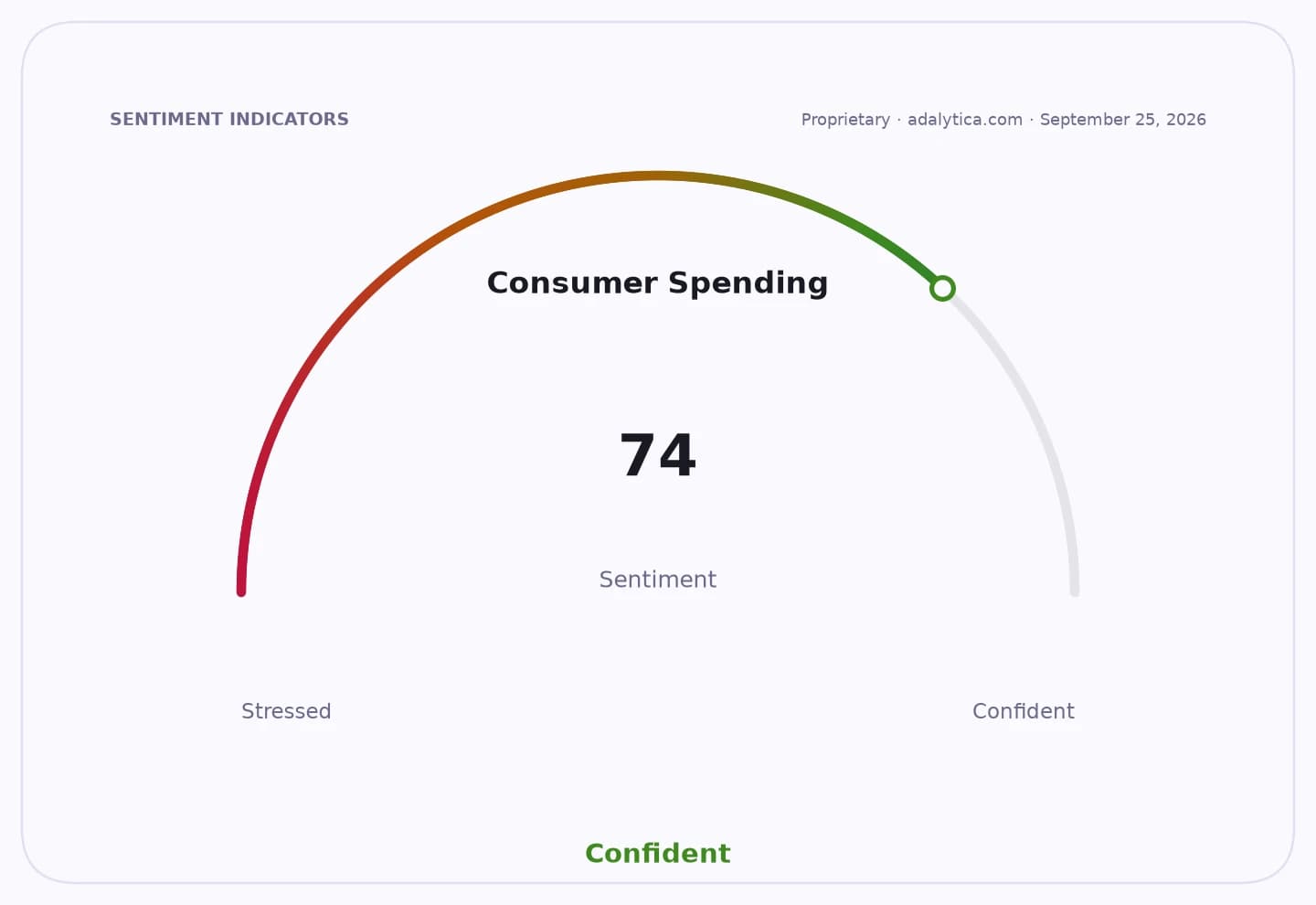
Investors should care because the winners and losers are becoming clearer. Labor-heavy retailers, consumer services, logistics and regional manufacturers are the most exposed if wages keep compounding faster than efficiency gains. The latest price action in consumer-discretionary shares already hints at that vulnerability, with the sector lagging and technical indicators showing weak momentum. By contrast, companies with pricing power, automation exposure, and labor-saving capital spending should be better insulated. This is where the market still underestimates the second-order opportunity: wage inflation is not just a cost headwind, it is a capital-allocation catalyst for robotics, software, AI infrastructure and industrial automation.
That is why I believe the best way to play this divergence is not to chase broad consumer cyclicals, but to own the picks-and-shovels of labor replacement and productivity enhancement. Large-cap software, cloud, industrial automation and AI infrastructure names can monetize the push to do more with fewer workers. Microsoft and Apple have already flagged labor and operating-cost pressures in filings, while the broader equity market is still treating wage inflation as a macro nuisance rather than a structural tailwind for automation capex.
The bond market is also telling a useful story. Long-duration Treasuries have stayed soft, with the TLT ETF trading below its 200-day moving average and its RSI deeply weak in recent sessions, suggesting investors are not pricing an aggressive growth scare so much as persistent uncertainty around inflation and real rates. That combination is toxic for bond-heavy portfolios, but it can be powerful for equities tied to capex and productivity substitution.
The market underestimates how long this can last. Wage negotiations tend to reset expectations slowly, while productivity improvements from automation arrive in visible spending waves. That asymmetry is the opportunity. If wages keep rising faster than output per worker, the next leg of the cycle will favor the businesses that help employers replace, augment or reorganize labor — not those forced to pay for it.
My takeaway: own productivity enablers, not labor-absorbing laggards. The wage-productivity gap is widening, and that is exactly the kind of durable macro theme that can create multi-year winners long before the consensus catches on.
| Entity | Gains | Losses |
|---|---|---|
| Automation and AI vendors | ▲Higher capex demand | ▼ |
| Labor-intensive employers | ▲ | ▼Margin pressure |
| Workers and unions | ▲Higher pay gains | ▼ |
| Long-duration bonds | ▲ | ▼Inflation stickiness |