Walmart’s $60 discount on a curved LG monitor is more than a bargain-hunter headline — it’s a sign that the value end of consumer electronics is still where shoppers are hunting for relief, and where big retailers are trying to protect traffic in a cautious spending environment.
Walmart Discount Signals Value-Driven Consumer Demand
That matters because discretionary purchases like gaming monitors sit right on the edge of the household budget. When consumers are stretched by still-elevated prices, they become far more sensitive to promotions, bundles and visible markdowns. That’s good news for Walmart, which has built its brand on price leadership, but it also underscores the pressure facing premium electronics makers and retailers trying to move inventory without cutting margins too deeply.
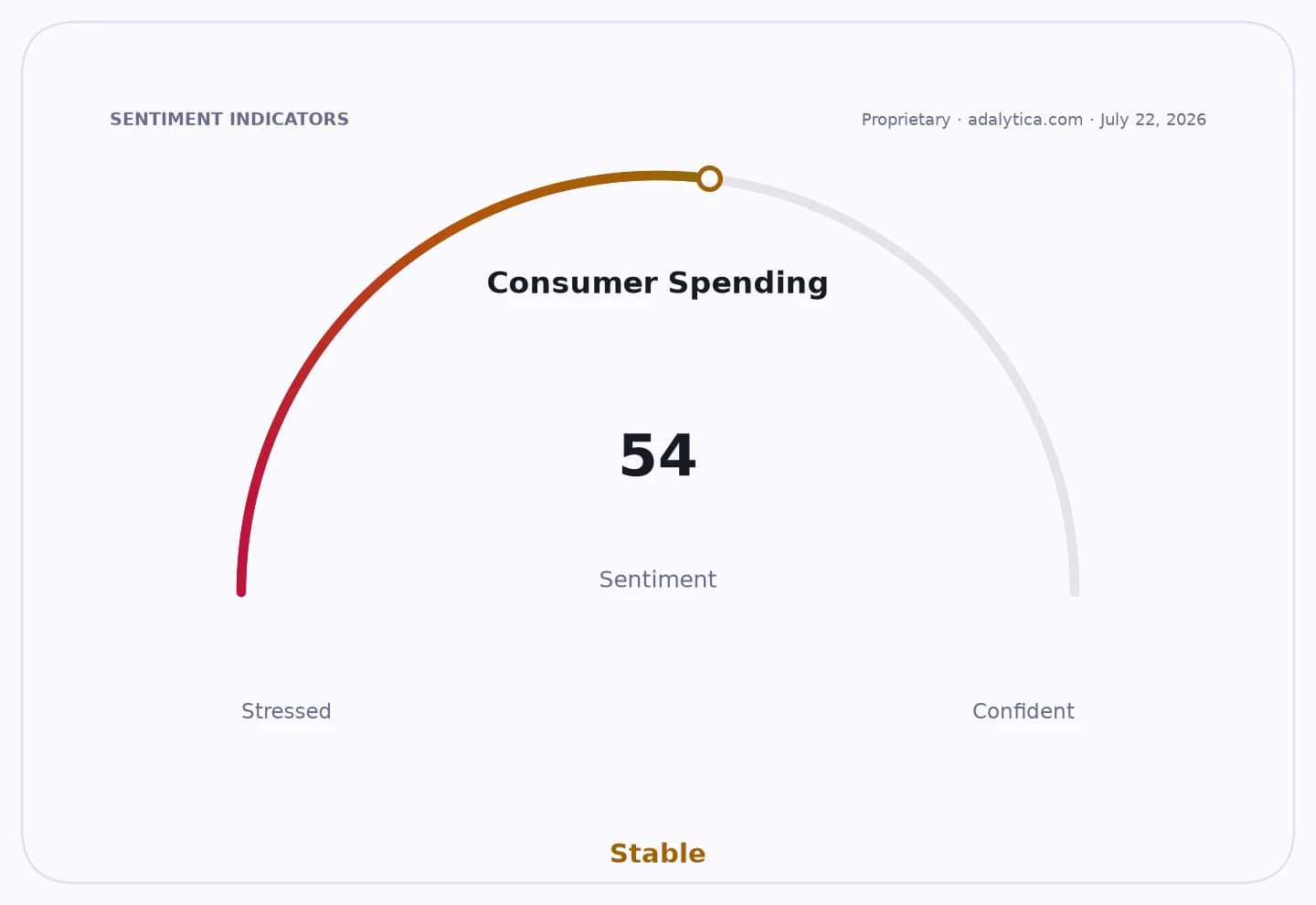
Sentiment IndicatorsⓘProprietary · adalytica.com · July 22, 2026
This is a snapshot — live sentiment, awareness and momentum for 130+ markets update continuously in the dashboard.Open AlphaPulse
The macro backdrop helps explain the appeal. U.S. unemployment remains low at around 4.2%, but inflation is still running above where it was before the pandemic, with consumer prices far higher than they were a few years ago. In that kind of environment, shoppers may still buy, but they increasingly trade down, wait for deals or choose a lower-cost version of the same product. A curved monitor for gamers is not a necessity, which makes the discount the real product here: affordability.
For investors, that has a few clear implications. Walmart benefits when bargain-conscious shoppers shift more of their spending to a retailer they trust to deliver price relief. The stock’s technical picture has also stabilized after a sharp pullback earlier in the summer, with shares recently reclaiming ground above both the 50-day and 200-day moving averages. That suggests the market continues to treat Walmart as a defensive growth name, not just a grocery-and-staples store.
LG Display, meanwhile, is the supply-chain winner and the pricing pressure point. The company has said it wants to expand in premium markets while combining differentiated technology with cost competitiveness — exactly the balancing act required when retailers push promotions to clear product. For investors in display makers, the key question is whether discounting reflects healthy demand or just a competitive race to the bottom.
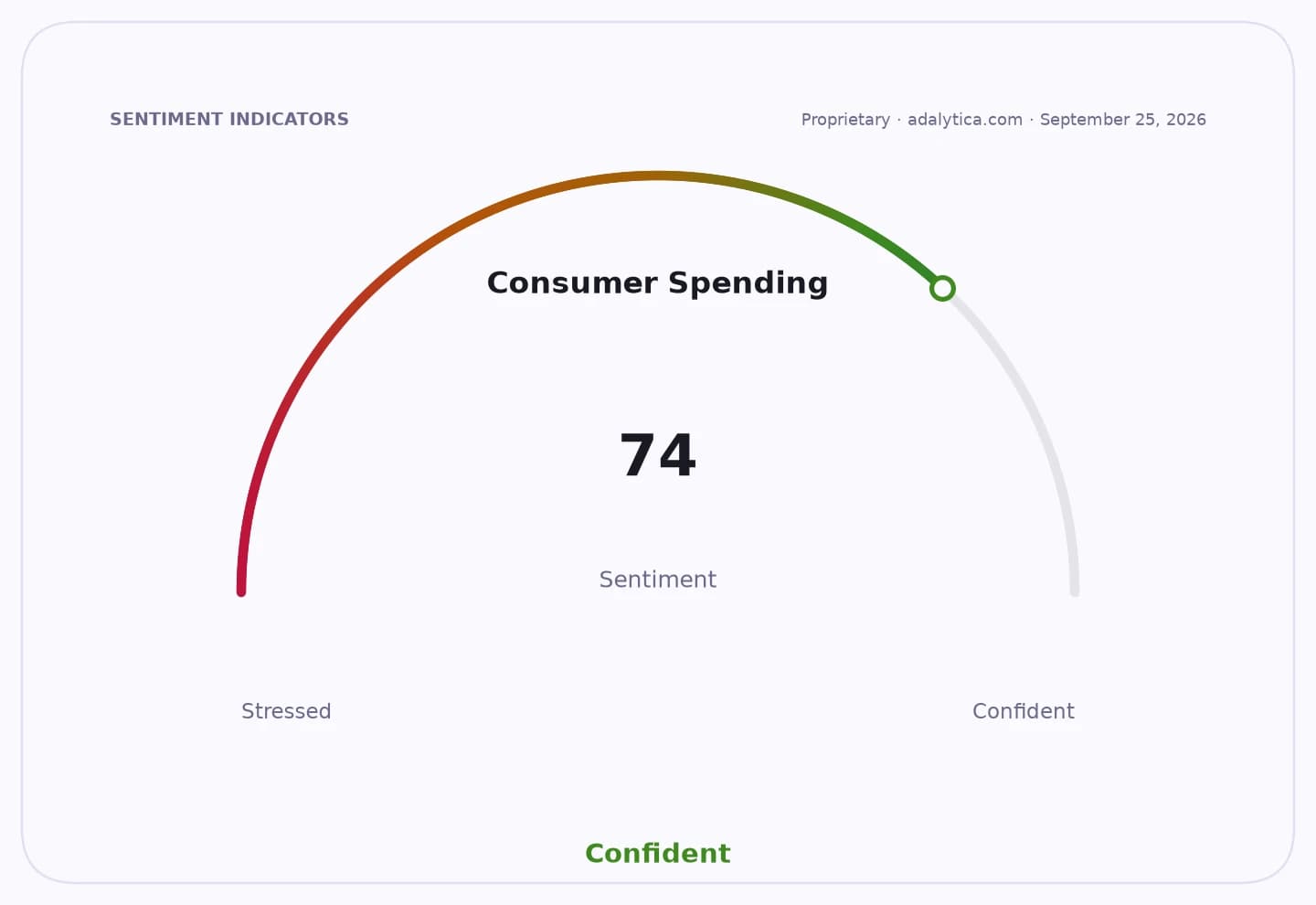
Target sits in the middle of that same consumer mood, with shares still recovering from a volatile stretch and showing that the retail sector remains highly sensitive to how shoppers allocate every dollar. Broader consumer-spending sentiment in Adalytica’s gauges has slipped back toward neutral, reinforcing the idea that households are willing to spend, but only selectively.
The long-term lesson for investors is simple: discount events are not just about lower ticket prices. They reveal who has pricing power, who has inventory to move, and which retailers can still pull traffic without sacrificing their brand. Walmart looks well positioned to keep winning those battles. For long-term investors, it remains a stock worth watching and holding patiently as value-led spending continues to shape retail.
| Entity | Gains | Losses |
|---|---|---|
| Walmart | ▲Traffic and share gains | ▼Lower margin on promos |
| Budget gamers | ▲Lower entry cost | ▼Fewer premium features |
| LG Display | ▲Unit sell-through | ▼Pricing pressure |
| Target | ▲Comparison shopping spillover | ▼Lost value-sensitive shoppers |