Walmart’s plan to expand drone delivery into St. Louis is a small operational step with outsized strategic value: it shows the biggest U.S. retailer is still widening its faster-delivery network even as investors worry about the cost of building it.
Walmart Drone Delivery Expands to St. Louis
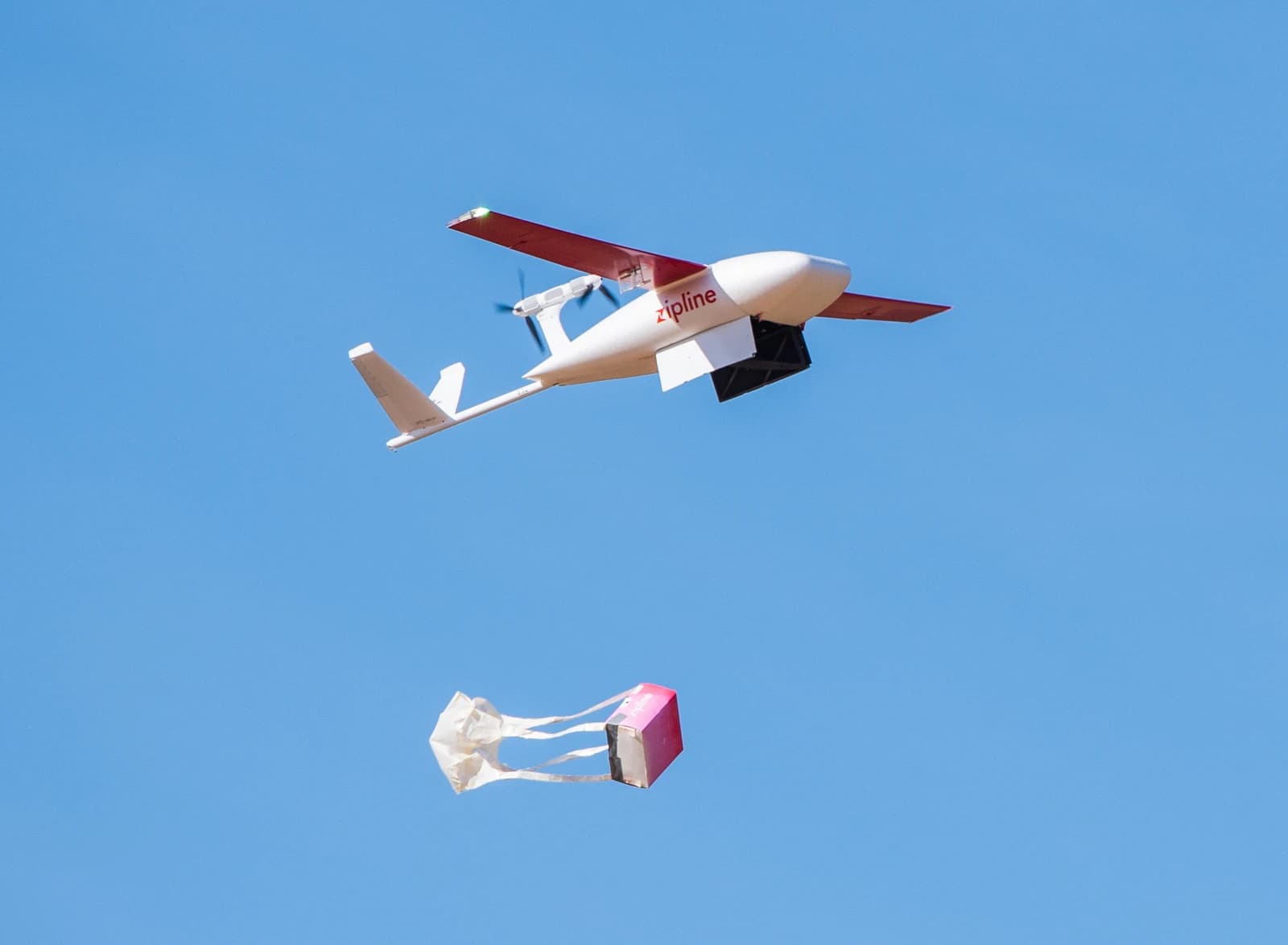
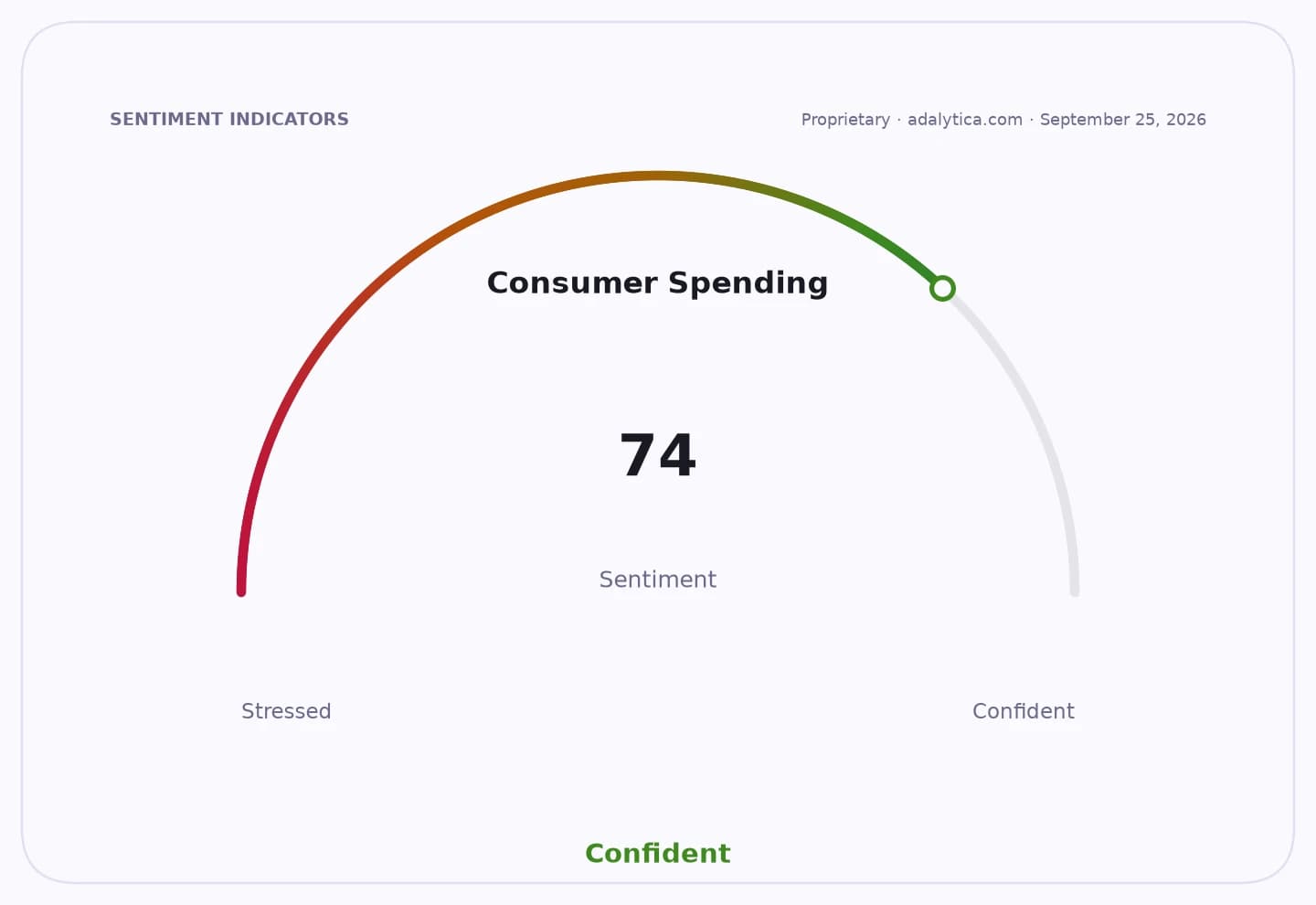
That matters because the battle for convenience is becoming a capital-allocation contest. Retailers are being forced to spend more on fulfillment, automation and local delivery to protect share, while customers increasingly expect near-instant service without paying much more for it. In that environment, drone delivery is less about novelty than about defending margin on high-frequency orders and tightening the economics of last-mile logistics.
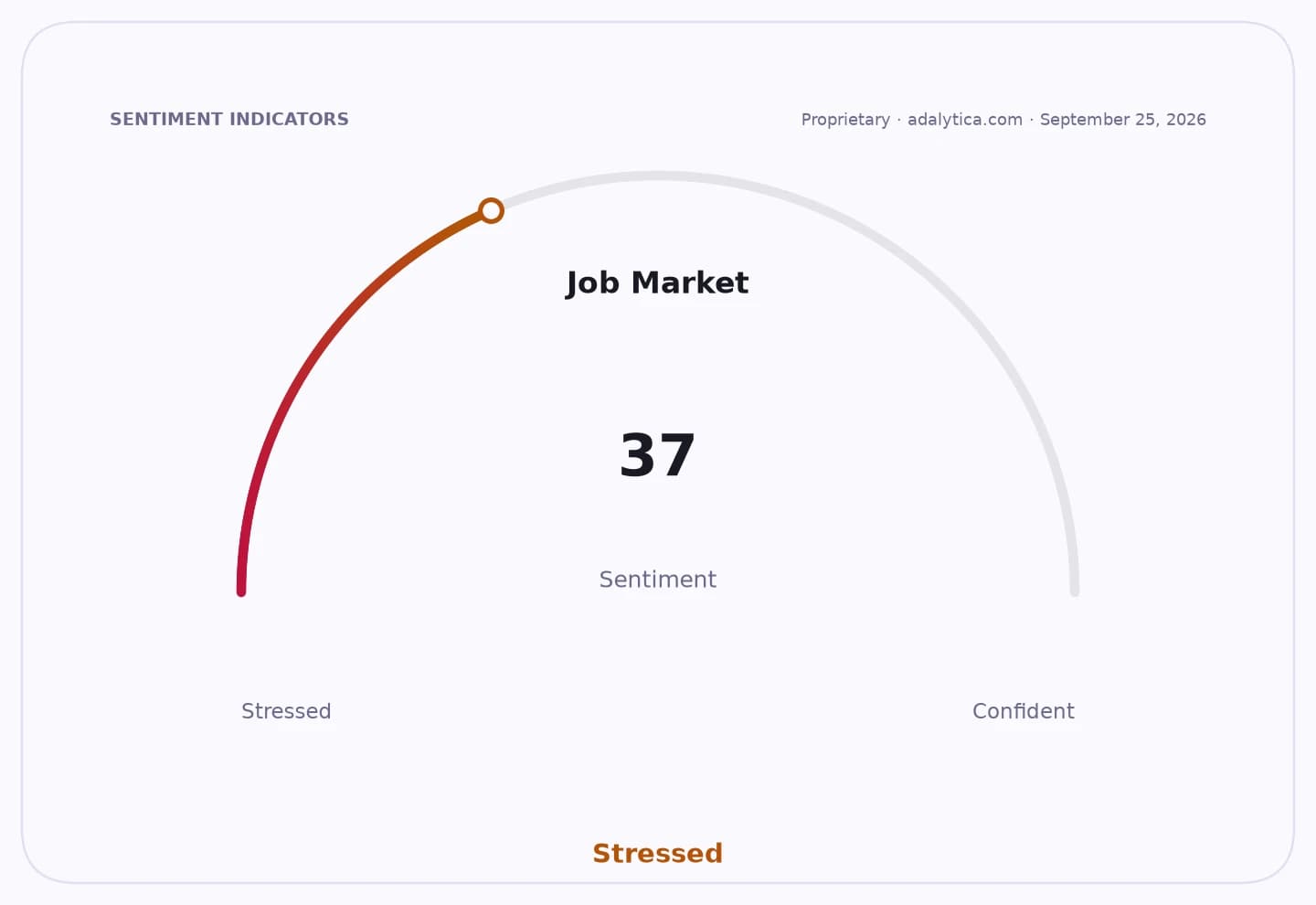
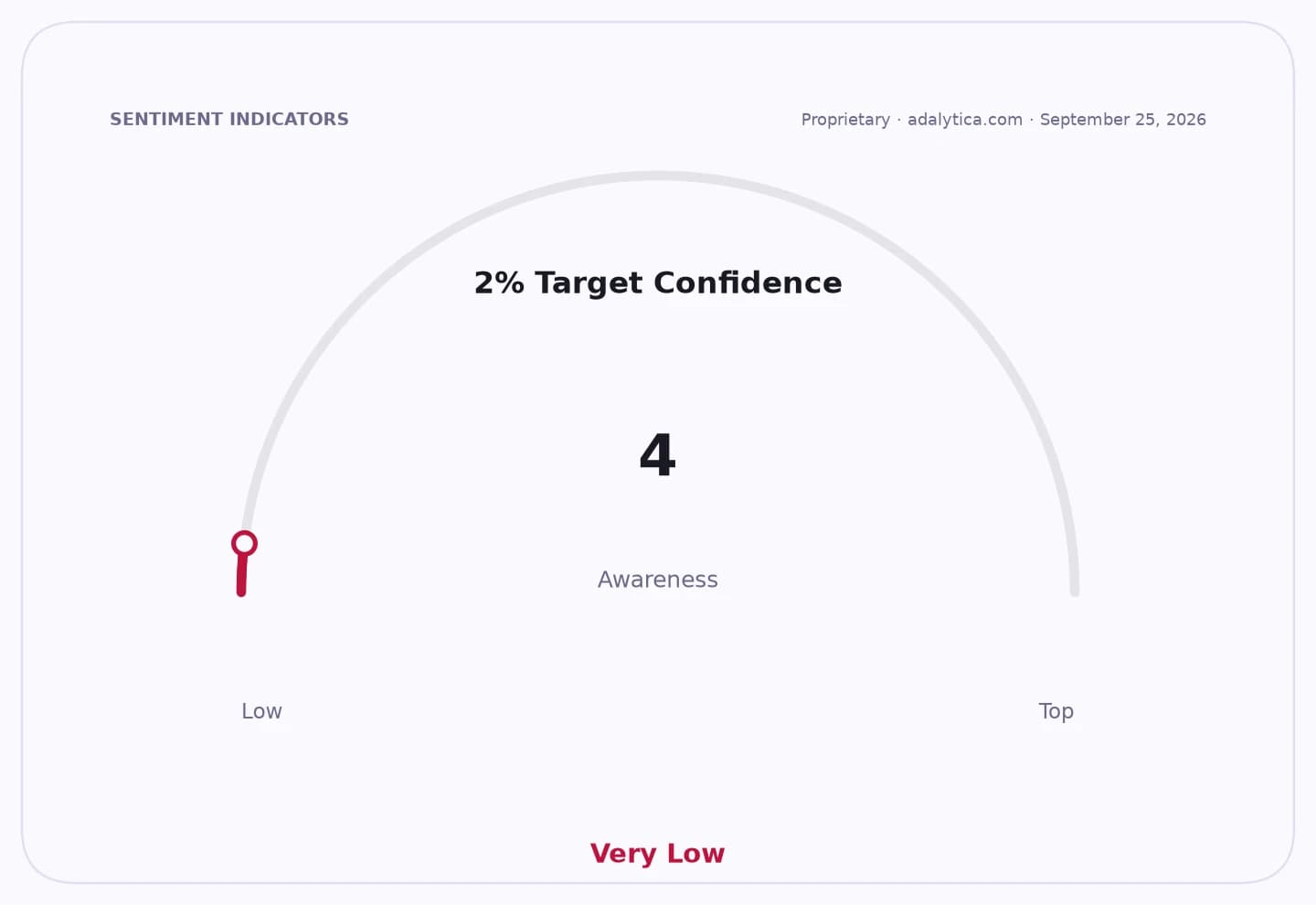
Sentiment IndicatorsⓘProprietary · adalytica.com · August 6, 2026
This is a snapshot — live sentiment, awareness and momentum for 130+ markets update continuously in the dashboard.Open AlphaPulse
Walmart has already been testing drone delivery in select markets, and a move into St. Louis would deepen its footprint in a larger metro where speed, density and suburban sprawl can all shape the economics of delivery. The company’s shares have been volatile even as they trade above longer-term trend levels, with the stock recently sitting near its 50-day moving average after a sharp pullback from earlier highs. That kind of price action suggests the market is still trying to decide whether Walmart’s investments in fulfillment are a durable growth advantage or a drag on returns.
The broader backdrop argues for the former. U.S. unemployment remains relatively low at 4.2%, keeping the consumer base intact, while the 10-year Treasury yield around 4.63% means capital is still expensive enough that operational efficiency matters. For Walmart, any technology that trims delivery times, reduces driver dependency and improves route economics can become a margin lever rather than just a service upgrade. That is especially important as the company pushes harder into e-commerce and same-day fulfillment, where the cost of each incremental order can make or break profitability.
Investors should also read this as a competitive warning to Amazon and Target. Amazon has the scale and cloud-backed operating leverage, but Walmart has a huge store network that can double as a distributed fulfillment grid. Target, meanwhile, has used digital growth to support its valuation, but it does not have Walmart’s same national physical footprint. Drone delivery plays best when a retailer can turn stores into micro-fulfillment nodes, and that is where Walmart has a structural advantage the market still tends to underprice.
There is also a geopolitical and industrial angle. Drones are increasingly part of logistics, security and even military systems, and the technology improvements flowing through defense and surveillance are helping lower costs and broaden use cases across civilian commerce. That means Walmart’s move is not just a retail story; it sits inside a larger secular shift toward autonomous local delivery, edge logistics and labor-light distribution.
Adalytica.com’s proprietary Walmart Earnings Sentiment snapshot shows extreme fear even as awareness remains at the maximum level, a setup that often reflects a market fixated on near-term execution risk while underappreciating longer-term option value. In other words, the stock’s setup looks more like skepticism than euphoria, which is exactly where asymmetric opportunities tend to emerge.
My view: Walmart’s St. Louis expansion is another clue that the company is building a delivery infrastructure moat the market is still treating like a side project. If drone delivery keeps scaling, the winners will be the retailers that already own the rooftops, parking lots and customer density. Walmart is one of them. For investors, that makes pullbacks in WMT a chance to buy a logistics platform disguised as a retailer.
| Entity | Gains | Losses |
|---|---|---|
| Walmart | ▲Faster fulfillment moat | ▼Higher upfront capex |
| Amazon | ▲Sector validation | ▼Pressure on delivery edge |
| Target | ▲Digital urgency | ▼Relative convenience gap |
| Consumers | ▲Shorter delivery times | ▼Fewer low-cost options if rivals pass on costs |