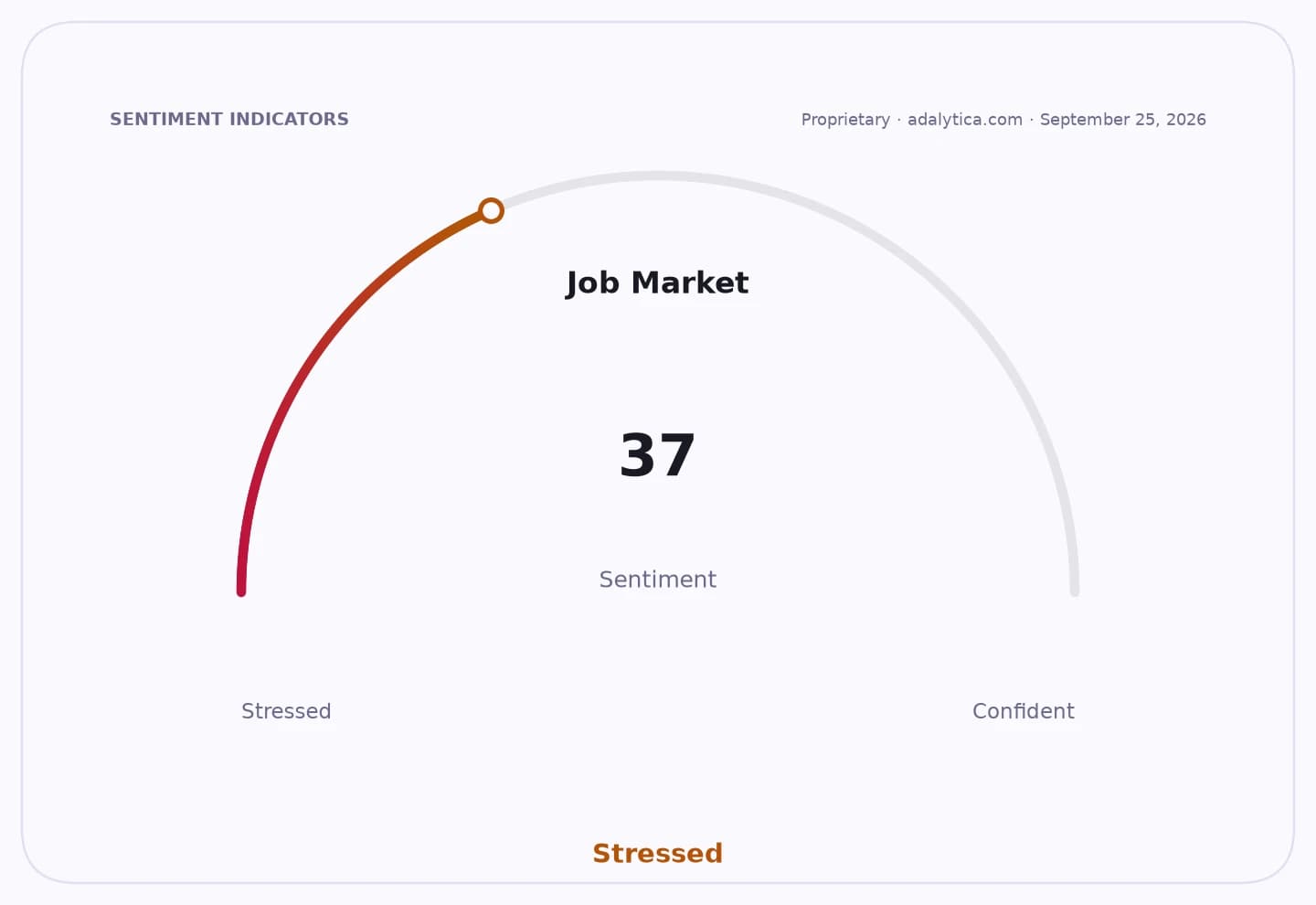
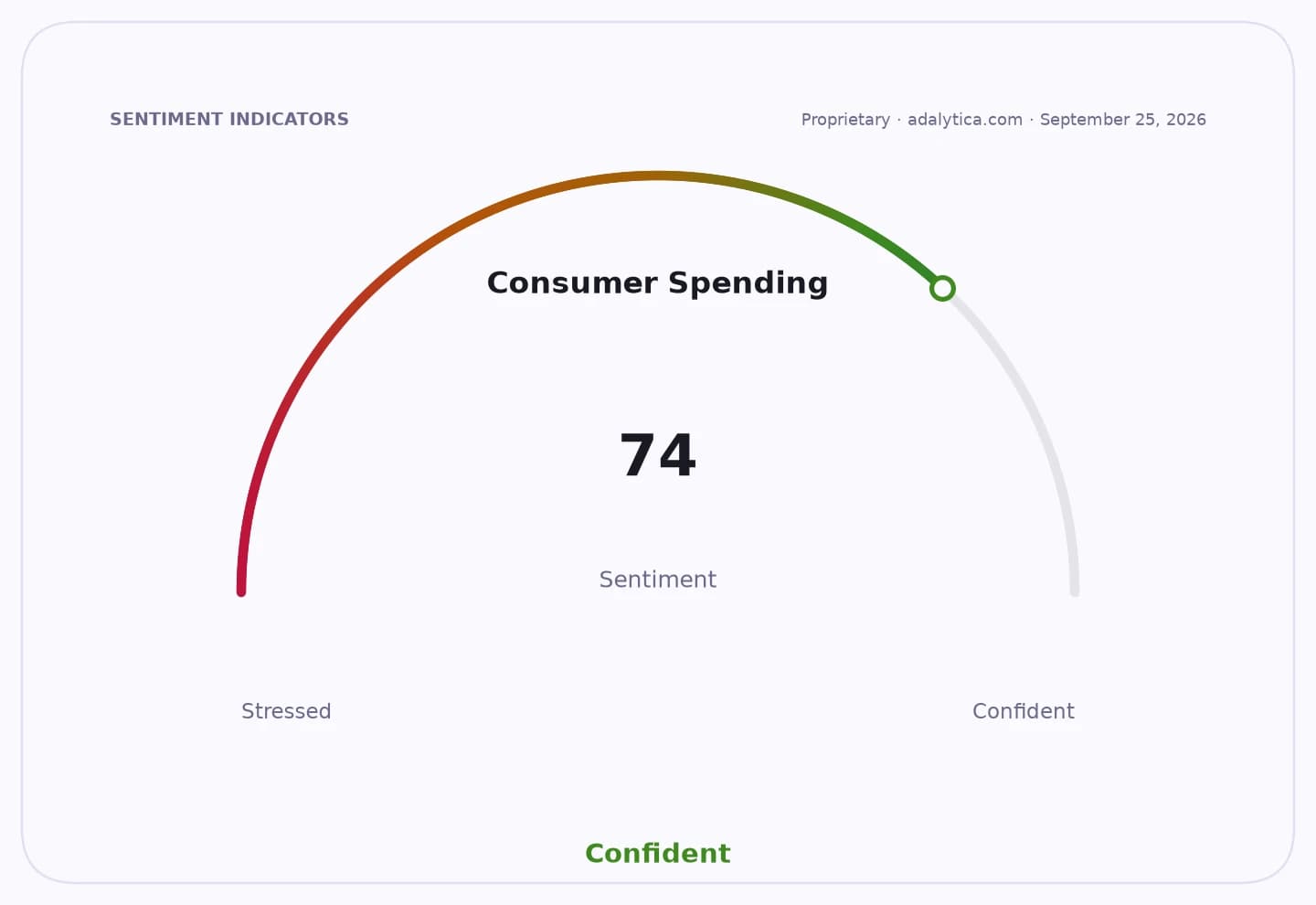
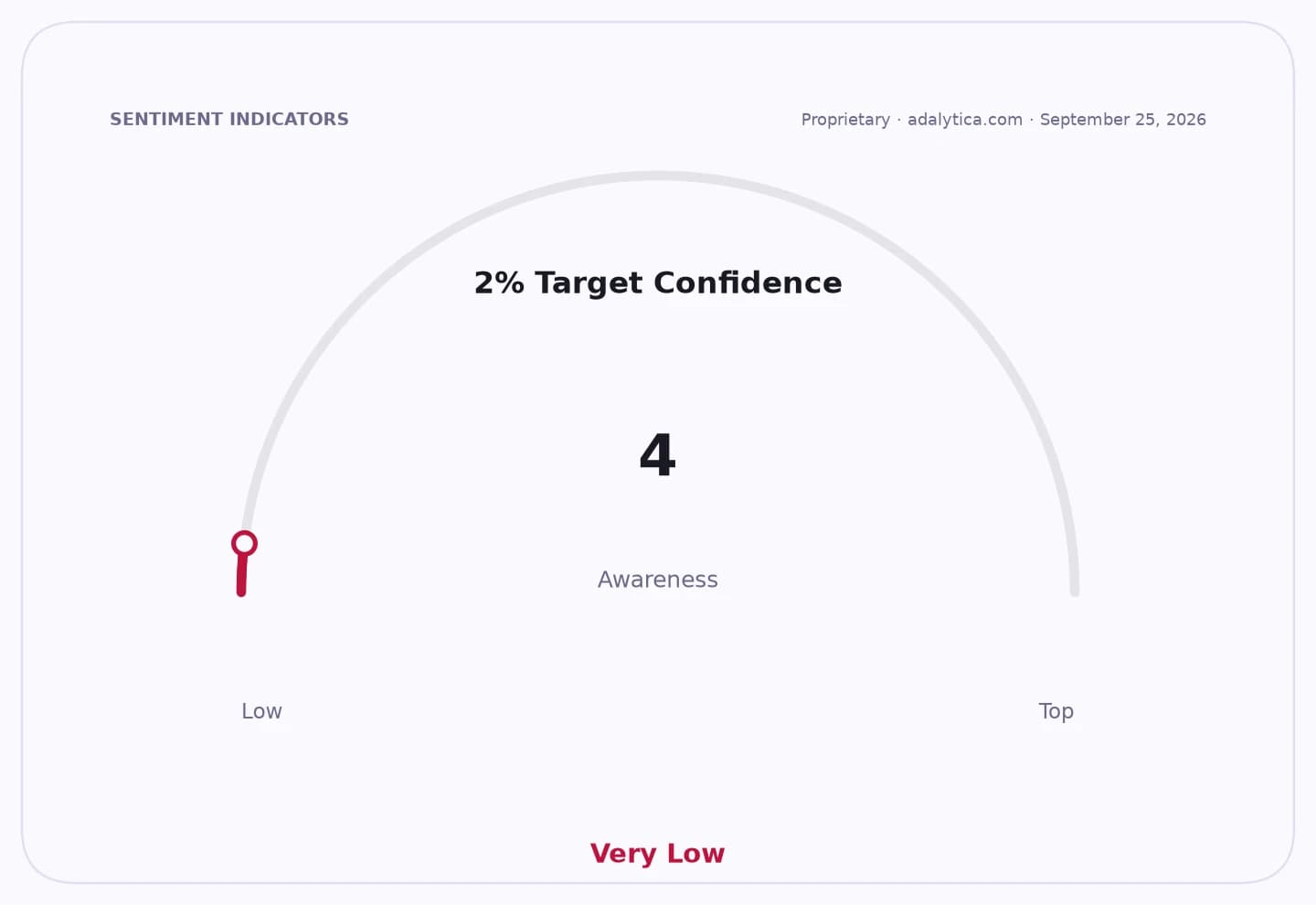
Walmart and Target are turning food prices into the next battleground in U.S. retail, and the stakes go well beyond checkout lines. If the two biggest mass merchants keep leaning on grocery discounts to win traffic, the pressure will ripple through consumer spending, margins and inflation expectations at a time when shoppers are still hunting for value and the Fed’s 2% target remains under strain.
Walmart Wins as Grocery Price War Heats Up

This is economically important because groceries are where households feel inflation most immediately. Food prices have not disappeared as a macro problem: the consumer price index is still running far above pre-pandemic levels, and producer prices for food remain elevated enough that retailers are forced to choose between protecting margin and protecting market share. That makes this price war more than a promotional cycle. It is a fight over who absorbs the inflation shock — retailers, suppliers or consumers.
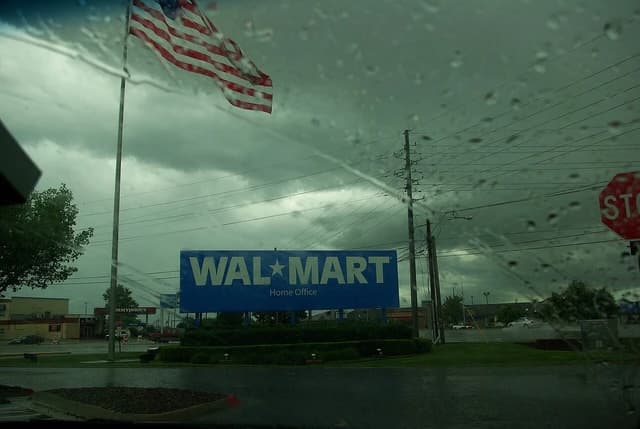
For investors, that is the key question. Walmart has the scale, logistics and traffic to weaponize lower prices and still defend earnings through mix, ad revenue and membership income. Target is more vulnerable, because it needs grocery to drive store visits while also trying to stabilize a weaker discretionary business. The market has already started to price that divide in: Walmart’s shares have held up far better than Target’s in the latest selloff, even as both names have been volatile around the same consumer squeeze.
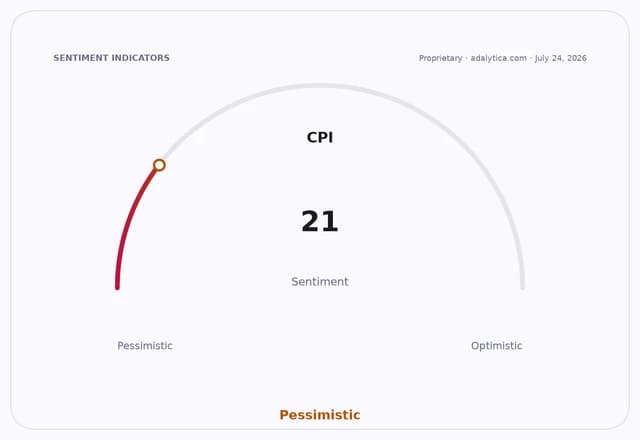
The macro backdrop explains why this is happening now. U.S. retail sales ex-autos are still growing, but the pace is modest, suggesting demand is there without a lot of pricing power. At the same time, inflation sentiment has collapsed in Adalytica’s CPI and Fed-target gauges, underscoring how fragile confidence remains around the path back to normal price stability. In that environment, any retailer that can take share by lowering shelf prices has an opening.
The other side of the trade is margin compression. Walmart and Target have both acknowledged in recent filings that they are pushing pricing harder to defend traffic and respond to competition. That puts suppliers under pressure too, especially branded food companies that may have to fund more promotions or accept lower realized prices. The winners are the operators with scale and data; the losers are the middlemen without it.
This also fits a broader sector narrative investors should not miss: grocery is becoming the low-margin gateway to a much more valuable ecosystem. The real prize is not the can of soup — it is the customer relationship, the app engagement, the ad impressions and the recurring basket. Walmart is better positioned to monetize that flywheel than Target, and that is why the price war matters for long-term valuation as much as quarterly earnings.
If inflation stays sticky, the discount fight can intensify further, especially if energy volatility and tariffs keep input costs unstable. That would deepen the split between retailers that can absorb lower food margins and those that cannot. My view is that Walmart remains the best defensive growth name in U.S. consumer retail, while Target is a turnaround story that still depends on execution.
For investors, the takeaway is simple: own the scale winner, not the price taker. In a grocery price war, the company with the best logistics, the strongest balance sheet and the broadest monetization engine usually wins the next chapter.
| Entity | Gains | Losses |
|---|---|---|
| Walmart | ▲Traffic and share gains | ▼Food margin pressure |
| Target | ▲Short-term basket lift | ▼Profitability and pricing power |
| Consumers | ▲Lower grocery bills | ▼Limited relief if inflation persists |
| Packaged food suppliers | ▲Volume support | ▼Greater promo and pricing pressure |