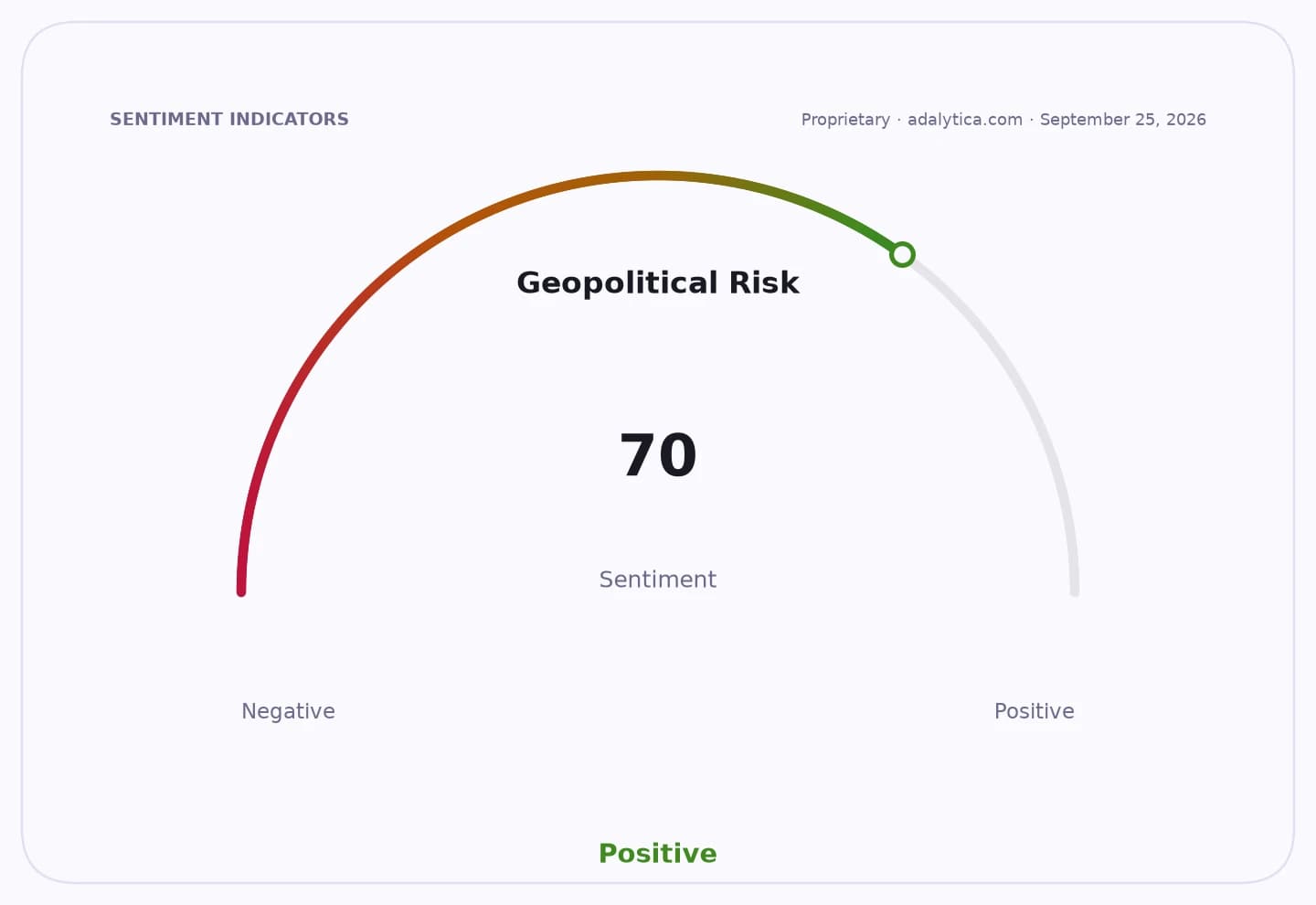
The biggest issue facing Kevin Warsh is not politics. It is credibility. Congress is pressing the former Fed governor on whether the central bank can still control inflation without choking growth, just as investors are once again grappling with sticky prices, a still-elevated policy rate and a bond market that is far from convinced the fight is over.
Warsh Hearing Revives Hawkish Fed Risk
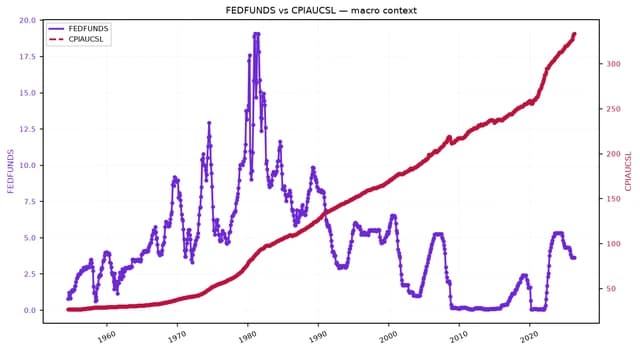
That scrutiny matters because the Fed is entering a delicate phase. The federal funds rate is still around 3.63%, according to the latest readings, well above the era of easy money that powered markets for much of the past decade. At the same time, consumer prices are still climbing: the CPI index has risen to 333.979 from 330.293 in March, and the forecast for June points to another increase. In other words, inflation is cooling from the crisis peaks, but it is not gone — and that leaves very little room for a dovish Fed chair-in-waiting to sound casual about prices.
Sentiment IndicatorsⓘProprietary · adalytica.com · July 13, 2026
This is a snapshot — live sentiment, awareness and momentum for 130+ markets update continuously in the dashboard.Open AlphaPulse
For investors, this is where policy turns into portfolio math. The 10-year Treasury yield has been hovering around 4.56% to 4.58%, a level that keeps pressure on valuations, borrowing costs and long-duration assets. Bond ETFs have already been telling the same story. TLT, the iShares 20+ Year Treasury Bond ETF, has slid below its 50-day moving average and sits under its 200-day moving average, with RSI readings in the low 30s and bearish MACD territory — a sign that traders still see more risk than reward in long bonds. Adalytica’s US Treasury Bonds Trade Signals show “Extreme Fear” around TLT, underscoring how brittle confidence remains in duration.
That backdrop explains why Warsh’s testimony could matter beyond Washington. If lawmakers believe the Fed needs a tougher anti-inflation stance, the market may lean toward fewer or slower rate cuts. If they think the central bank has lost its discipline, the consequences could be even more awkward: higher inflation expectations, a steeper Treasury curve and more volatility in rate-sensitive sectors from utilities to housing. Either way, the message is the same for long-term investors — rate policy is still a central driver of returns, not a background detail.
The equity market is showing the same mixed signal. The S&P 500, tracked by SPY, is still trading well above its 200-day moving average, but momentum has cooled from earlier highs and the ETF has drifted back toward its 50-day trend line. That fits a market that is resilient but not relaxed. Adalytica’s S&P 500 trade signals are neutral, which is about as balanced as it gets in a market waiting for the next major clue on inflation and Fed policy.
Warsh’s challenge, then, is to convince lawmakers he can help preserve the Fed’s credibility without over-tightening an economy that has already absorbed one of the sharpest rate cycles in decades. That is a hard pitch because Congress is looking for confidence, while investors are looking for evidence. The Fed’s 2% inflation target is still under stress, with Adalytica’s confidence gauge sitting in “Extreme Fear,” a reminder that the public still doubts the central bank has fully won.
For investors with a long time horizon, the message is not to make a hero call on one hearing. It is to stay diversified, keep expectations grounded and focus on businesses that can compound through a higher-rate world. Banks, bond funds and interest-rate-sensitive sectors will keep reacting to every hint of policy drift, while companies with durable cash flow and pricing power should remain the better multi-year anchors.
Warsh’s hearing is worth watching because it is really a test of the Fed’s next chapter: can policymakers protect credibility, tame inflation and still support growth? Until that answer is clearer, markets are likely to stay choppy, and patience will remain the most valuable asset investors own.
| Entity | Gains | Losses |
|---|---|---|
| Hawkish Fed stance | ▲Inflation credibility | ▼Rate-sensitive borrowers |
| Bond investors seeking yield | ▲Higher coupons | ▼Existing bond prices |
| Cash-rich value stocks | ▲Relative appeal | ▼Long-duration growth stocks |
| Homebuyers and leveraged firms | ▲Later easing hopes | ▼Higher financing costs |