The drought linked to a prolonged heat wave is keeping municipal water use elevated even after rain, reinforcing a rare demand tailwind for regulated utilities as Europe and parts of the U.S. face tighter water balances and longer dry spells.
Water Utilities Gain on Drought Demand in 2026-2027 Heat Outlook
That matters because water utilities are usually prized for stability, not growth. When scorching temperatures and parched soils keep irrigation and outdoor use high, consumption can rise even in regulated systems, lifting revenue visibility at a time when bond yields remain around 4.6% to 4.7% and investors are looking for cash-generating defensive assets. The economic message is that climate stress is turning water from a sleepy utility into an increasingly strategic resource with pricing, capex and reliability implications.
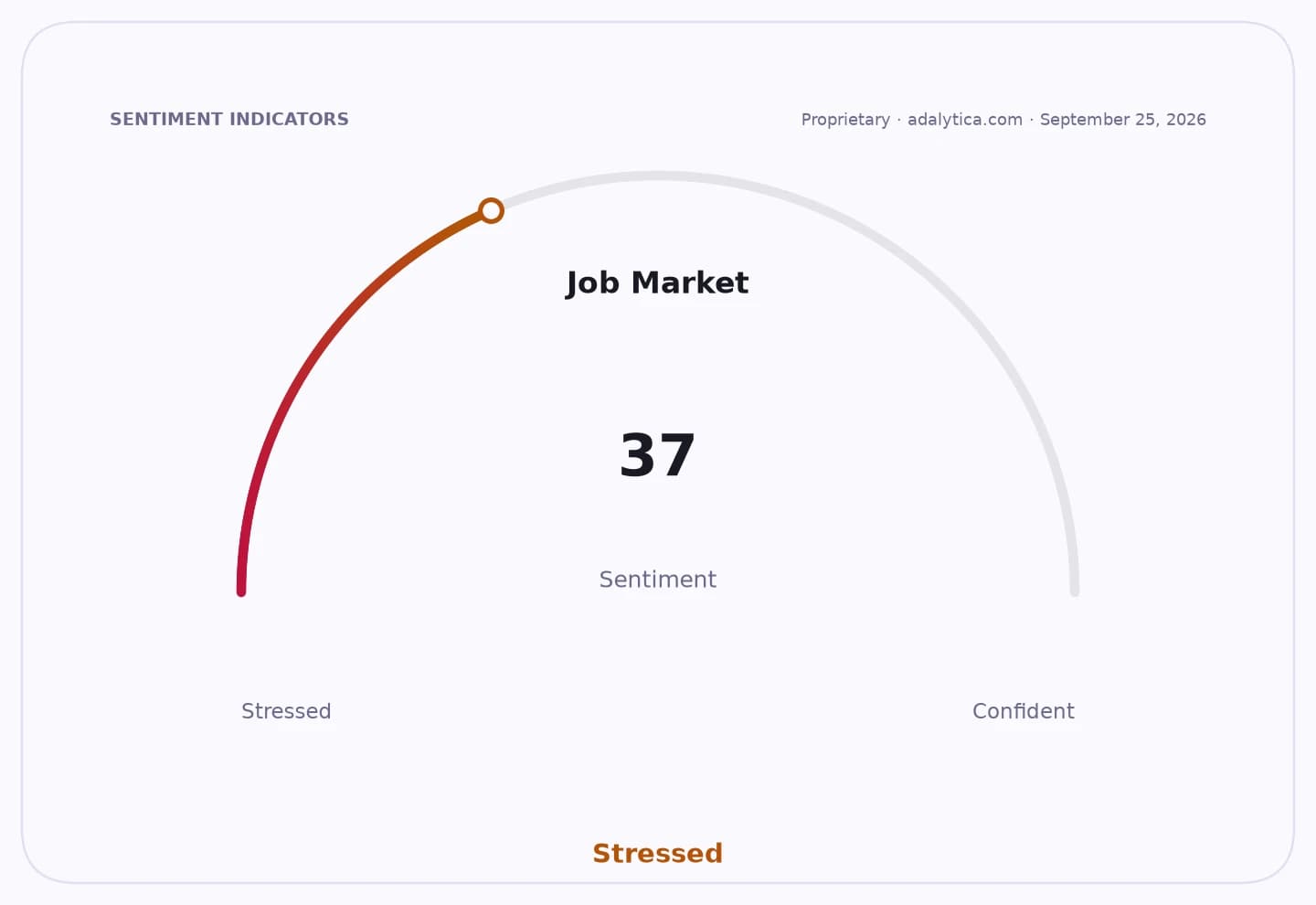
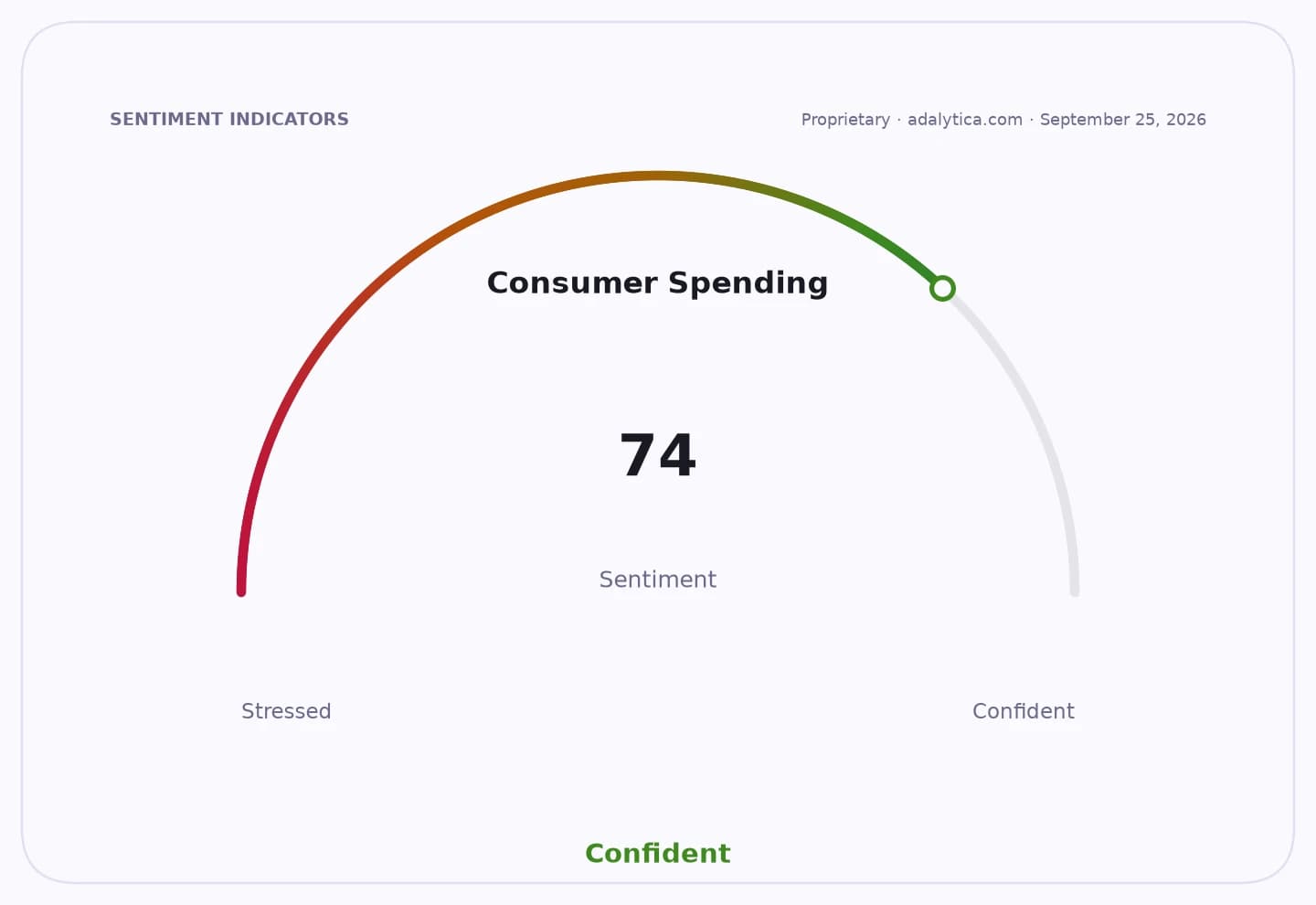
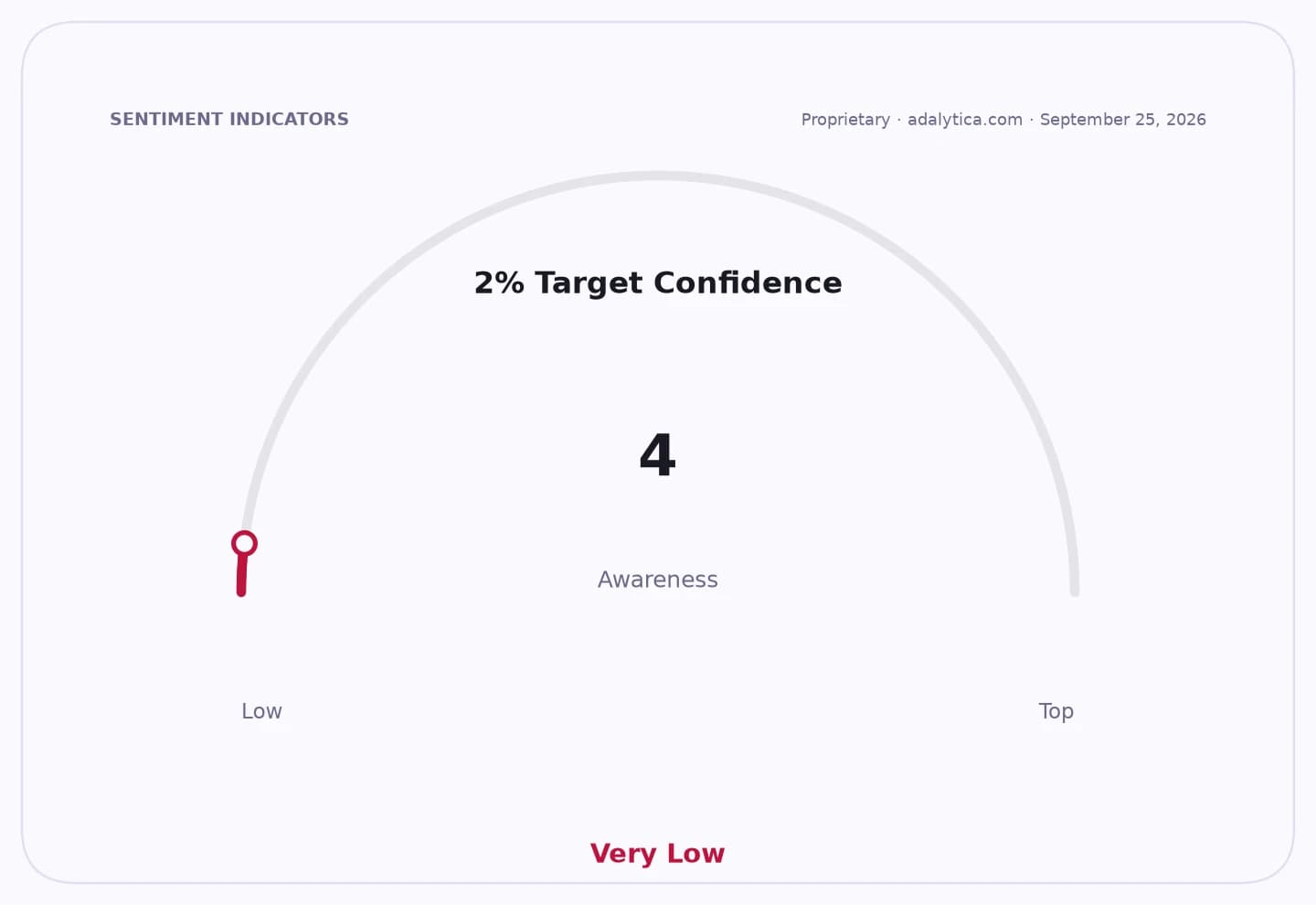
Sentiment IndicatorsⓘProprietary · adalytica.com · August 8, 2026
This is a snapshot — live sentiment, awareness and momentum for 130+ markets update continuously in the dashboard.Open AlphaPulse
The backdrop is worsening. Reports from Britain, Italy and the Po Valley point to low river levels, soil moisture deficits and emergency restrictions, while forecasts tied to the 2026-2027 El Niño cycle suggest more heat and less rainfall. That raises the cost of delivering water and managing scarcity, from higher pumping and treatment expenses to spending on pipes, storage and leak reduction. Recent SEC filings from U.S. water operators also show rising production costs, including higher purchased water, power and employee expenses, underscoring that even when volumes are favorable, margins are not automatic.
The market has started to reflect that tension. American Water Works, California Water Service Group and Essential Utilities have all outperformed more cyclical parts of the market at points this summer, with shares in some cases moving above key short-term averages before easing back. American Water Works is trading near its 50-day and 200-day moving averages after a volatile few weeks, while California Water Service and Essential Utilities have each drawn buying interest as investors rotate toward names seen as beneficiaries of drought-driven demand and infrastructure spending. Technical readings remain mixed rather than euphoric, suggesting the trade is still grounded in fundamentals rather than momentum alone.
For investors, the bullish case is straightforward: persistent heat and drought can support usage, strengthen the case for rate increases and keep regulators focused on utility investment. The bear case is that drought does not guarantee clean earnings growth if demand restrictions, storm volatility, higher financing costs or political pressure on water bills offset volume gains. That tension is why the sector can rally on scarcity without becoming risk-free.
The broader narrative is that climate stress is increasingly pushing water utilities into the center of the infrastructure trade. If dry conditions persist into late summer and autumn, the winners are likely to be regulated utilities with strong balance sheets and visible capex pipelines, while municipalities, farmers and water-intensive users bear the immediate cost of scarcity.
| Entity | Gains | Losses |
|---|---|---|
| Water utilities | ▲Higher demand visibility | ▼Higher operating costs |
| American Water Works, California Water Service, Essential Utilities | ▲Defensive bid from investors | ▼Volatility if restrictions bite |
| Municipalities and households | ▲Better supply planning | ▼Higher bills and limits |
| Farmers and water-intensive users | ▲Possible efficiency upgrades | ▼Crop stress and lost output |