Waypoint REIT’s rebound is running straight into the hard math of interest rates, and that is what investors should focus on now. If the company can prove its cash flow is durable while borrowing costs stay elevated, the recent optimism around real estate could still have room to run. If not, the stock’s bounce may prove more about sentiment than fundamentals.
Waypoint REIT Faces Rate-Driven Rebound Test
That matters because REITs live and die by the spread between property income and financing costs. The 10-year Treasury is hovering around 4.5%, while the federal funds rate is still above 3.6%, leaving little room for error in a capital-intensive business. For income investors, that is the whole game: can a landlord keep raising rent fast enough to offset expensive debt and a still-cautious economy?
Sentiment IndicatorsⓘProprietary · adalytica.com · July 21, 2026
This is a snapshot — live sentiment, awareness and momentum for 130+ markets update continuously in the dashboard.Open AlphaPulse
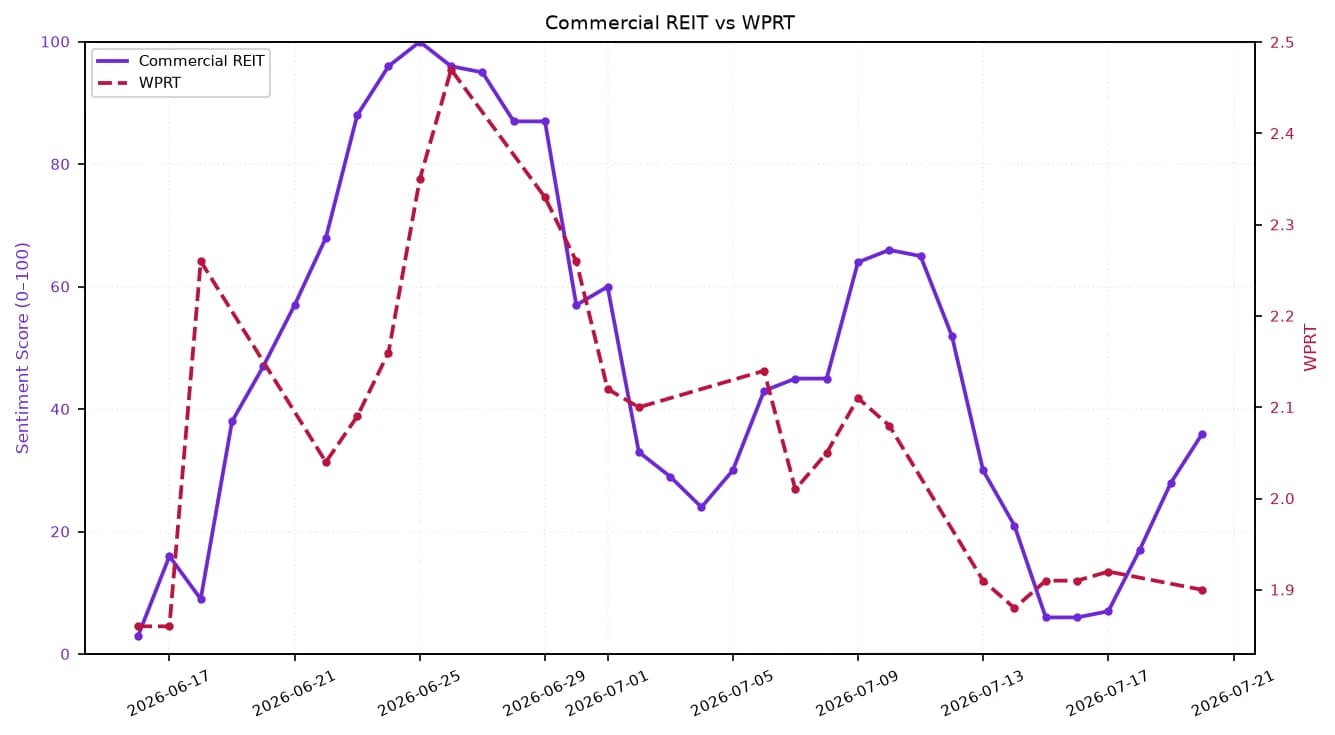
Waypoint’s stock has shown how quickly sentiment can shift. Shares had been trading near $1.90 on July 20 after a sharp run from earlier lows, but they still sit below their 50-day moving average and have struggled to sustain momentum. The technical picture reflects a market that is interested, but not convinced. In plain English, investors are willing to give the name a chance, but they have not yet awarded it a lasting premium.
The broader REIT backdrop is mixed but not broken. Realty Income, Simon Property Group and other large property owners have rallied as investors warm to the idea that income-producing assets can hold up in a slower-growth world. Adalytica’s Commercial REIT sentiment gauge has also improved from deeply negative levels, even though it remains neutral overall. That tells you optimism is returning, but it is not yet universal.
The economic case for Waypoint depends on whether its properties can keep generating enough rental income to support distributions and reduce leverage over time. Higher rates tend to pressure transaction activity, cap rates and refinancing costs, which can pin down valuation even when occupancy is stable. That is why the sector’s winners are usually the operators with strong balance sheets, long lease terms and pricing power.
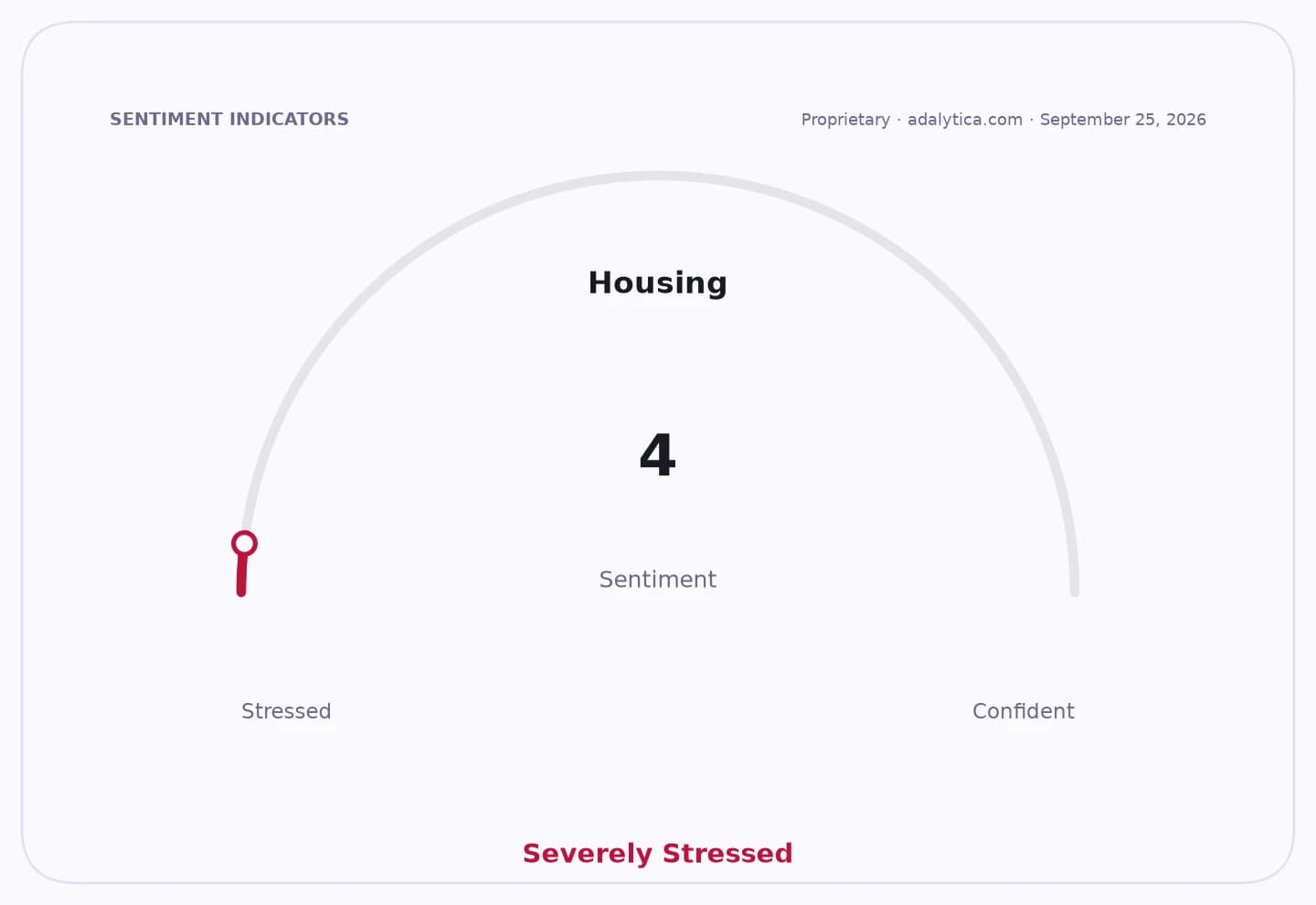
Investors should also keep the macro backdrop in view. Housing starts have softened from recent levels, while Treasury markets remain nervous enough that bond sentiment on Adalytica still leans fearful. That combination usually helps explain why REIT valuations can look cheap and still fail to rerate quickly: cheaper prices do not matter much if financing conditions stay tight.
For long-term investors, the right question is not whether Waypoint can pop in the next few weeks. It is whether the company can compound through a multi-year period in which rates may stay higher than the easy-money era REITs enjoyed for much of the past decade. If management can stabilize cash flow, protect occupancy and avoid dilutive financing, today’s skepticism could become tomorrow’s opportunity.
That makes Waypoint worth watching, not chasing. In a market still trying to decide whether this is a real recovery or just another sentiment swing, investors who own REITs should favor quality, patience and diversification over quick bets.
| Entity | Gains | Losses |
|---|---|---|
| Waypoint REIT bulls | ▲Cheap entry if recovery sticks | ▼Risk of a value trap |
| Waypoint REIT bears | ▲More evidence of rate pressure | ▼Missed upside if cash flow holds |
| Income investors | ▲Potentially attractive yield | ▼Refinancing and payout risk |
| Competing REITs with stronger balance sheets | ▲Relative safety premium | ▼Less upside from a rebound |