The most important thing happening here is not a one-day stock move — it is the quiet boost a weaker U.S. dollar can give to Canadian retirement portfolios that own global businesses and cross-border cash flows.
Weaker Dollar Lifts Canadian Dividend Stocks

That matters because currency shifts can change the real return investors get over years, not just quarters. When the greenback softens, U.S.-based assets translated back into Canadian dollars can lose some of their shine, while Canadian companies with dollar-linked revenues, pricing power and foreign operations can look more resilient. For long-term investors focused on retirement income, that is a reminder that currency exposure is part of portfolio design, not just a macro headline.
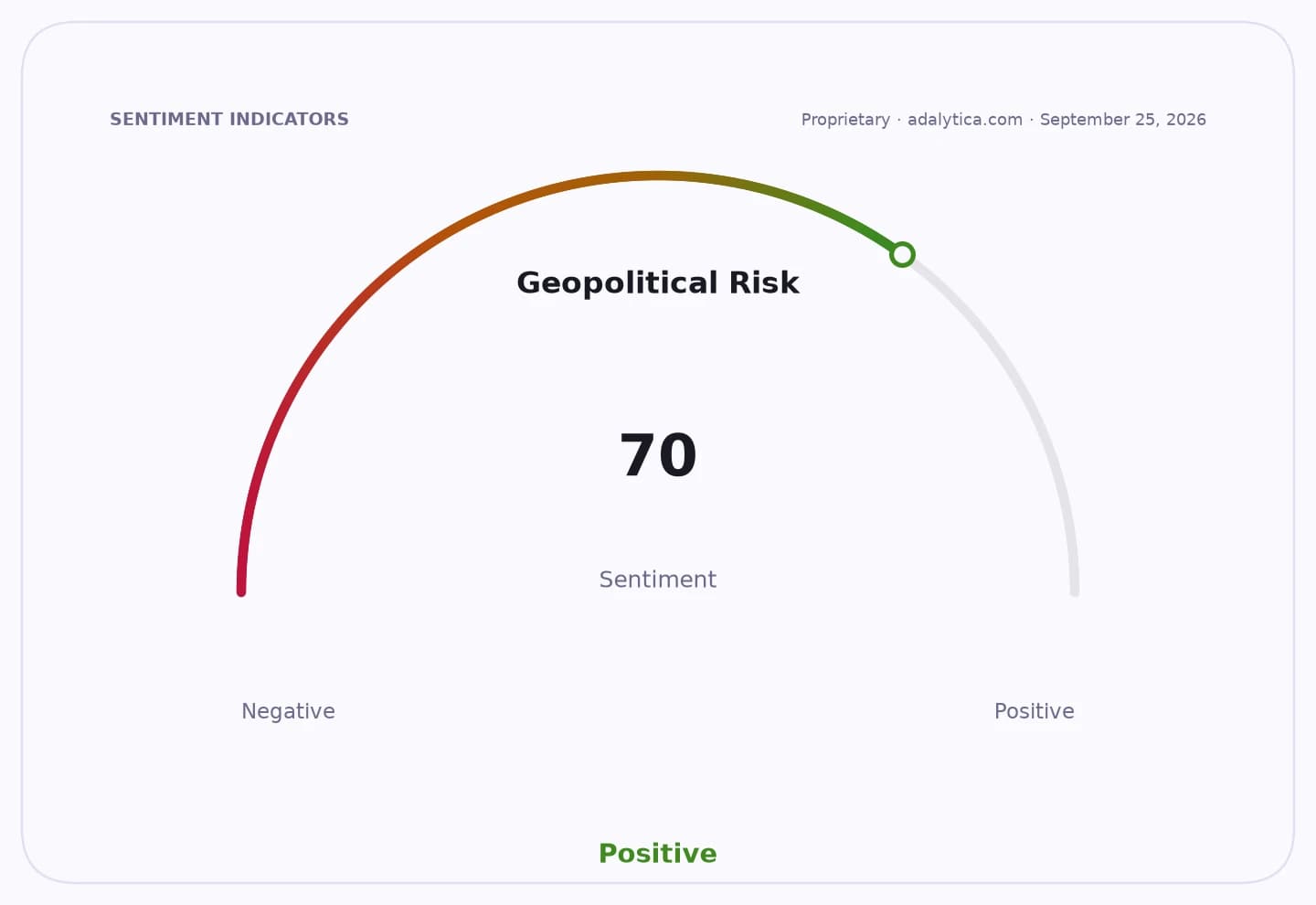
Sentiment IndicatorsⓘProprietary · adalytica.com · July 18, 2026
This is a snapshot — live sentiment, awareness and momentum for 130+ markets update continuously in the dashboard.Open AlphaPulse
Royal Bank of Canada, Bank of Montreal and Enbridge all illustrate the point. RBC ended last week at 215.43, up sharply from 136.94 in late August, with the shares still holding well above both the 50-day and 200-day moving averages. BMO finished at 181.97, also comfortably above its 50-day and 200-day averages, while Enbridge closed at 56.71, near the top of its recent trading range and above both major trend lines. Those are not the signatures of broken businesses. They are the market’s way of saying investors still want reliable compounding, dividends and balance-sheet strength.
For retirement savers, the appeal is straightforward. Banks such as RBC and BMO remain classic cash-generating franchises, while Enbridge continues to be a staple for income seekers who want exposure to North American energy infrastructure rather than commodity swings. A weaker U.S. dollar, tracked by Adalytica’s trade signals as neutral but off sharply over the past month, can add another layer of support to Canadian assets that earn in U.S. dollars or benefit from cross-border trade. At the same time, the Canadian dollar-linked backdrop makes domestic dividend payers feel less like a defensive afterthought and more like a core holding.
The broader macro setup helps explain why. Reuters has reported that softer U.S. inflation has recently weighed on the dollar, and that matters for Canadian investors because currency can amplify or erase the gains from stock selection. If the dollar continues to cool, portfolios overloaded with U.S. exposure may not get the same tailwind they enjoyed in prior periods. That does not mean U.S. stocks are suddenly unattractive — far from it — but it does argue for balance and diversification, especially for investors building income streams they expect to last decades.
There is also a valuation lesson here. Stocks can rise for a long time when earnings and cash flows keep compounding, but a stretched chart can make future returns more dependent on perfection. RBC’s RSI was in elevated territory, BMO’s recent technical readings were also strong, and Enbridge has recovered from an earlier midyear pullback. That does not negate the long-term case; it simply suggests investors should think in years and use volatility to build positions gradually rather than chase momentum.
For retirement-focused investors, the takeaway is simple: currency moves are part of total return, and they can quietly change the odds. In an environment where the U.S. dollar has lost some momentum and Canadian blue chips are still delivering, it makes sense to keep a diversified mix of dividend payers, financials and infrastructure names on the watchlist — and to let compounding do the heavy lifting.
| Entity | Gains | Losses |
|---|---|---|
| Canadian retirees | ▲stronger local purchasing power | ▼weaker U.S. dollar translation on U.S. assets |
| RBC, BMO, Enbridge shareholders | ▲steadier long-term compounding | ▼short-term volatility |
| U.S. dollar holders | ▲cheaper Canadian assets | ▼reduced currency tailwind |
| U.S.-centric portfolios | ▲less FX support | ▼lower translated returns for Canadians |