Agriculture’s one-day suspension of wheat and barley receipts in northern silos is tightening an already sensitive grain market, adding a fresh supply-side jolt for traders watching Black Sea and regional crop flows.
WEAT at $23.81 as northern silo suspension tightens grain markets
The pause matters because even a short disruption at storage and collection points can ripple through pricing, logistics and farmer selling decisions, especially when wheat and barley markets are already reacting to crop losses, export policy shifts and weather-related risks across major producing regions.
Sentiment IndicatorsⓘProprietary · adalytica.com · August 2, 2026
This is a snapshot — live sentiment, awareness and momentum for 130+ markets update continuously in the dashboard.Open AlphaPulse
Grain funds have been firming on the back of those concerns. The Teucrium Wheat ETF, tracked by the WEAT ticker, last closed at $23.81 on July 31 after touching $26.00 on July 22, while the Teucrium Corn Fund, CORN, ended at $17.65. Both remain above their 50-day and 200-day moving averages, though wheat has eased from an overbought reading after its sharp July run.
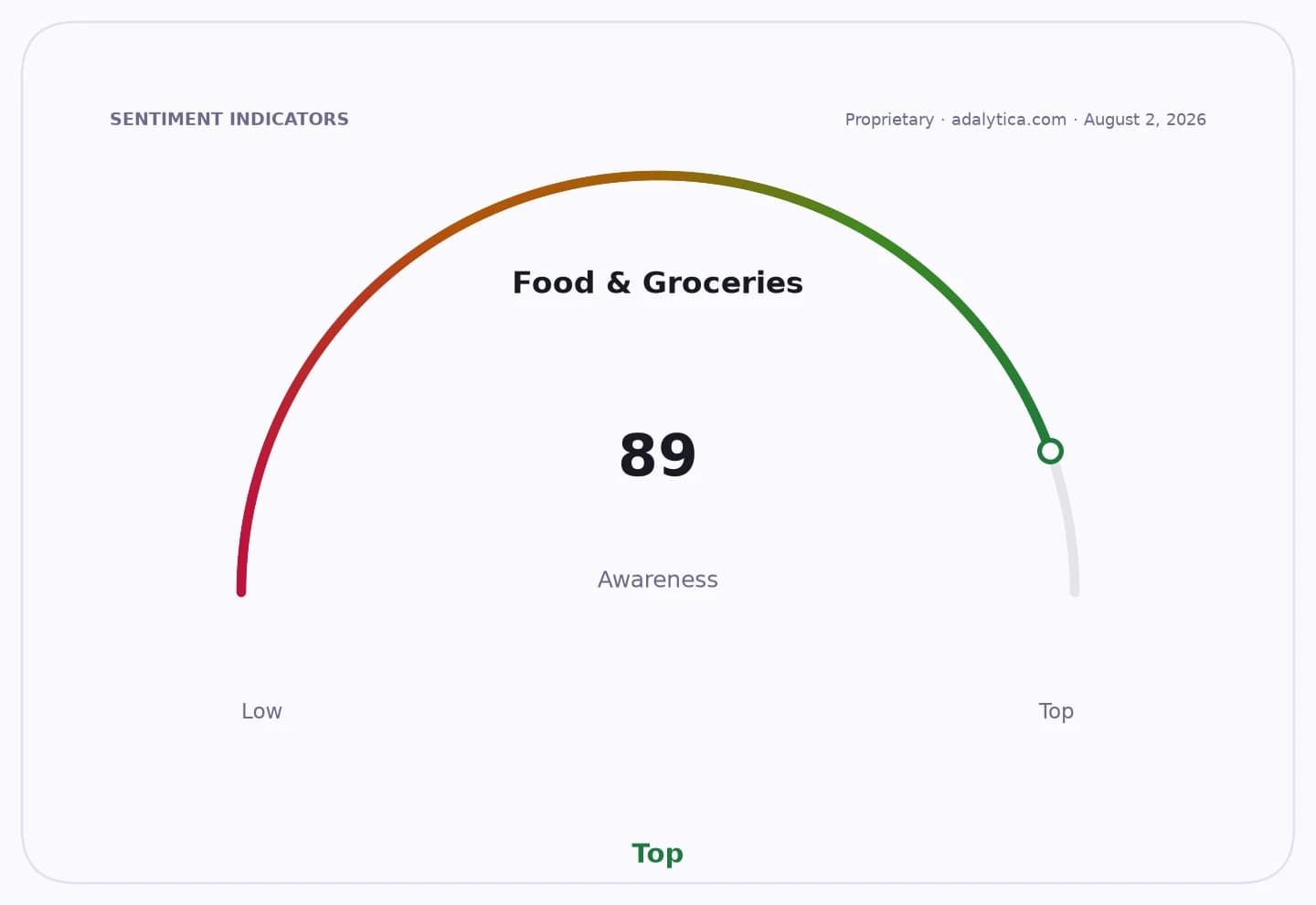
The broader agriculture benchmark, DBA, finished at $27.51 on July 31, holding near its 50-day average and well above its 200-day average, suggesting investors are still pricing in persistent tightness across the farm complex. Adalytica’s Food and Grocery Spending Sentiment also points to heightened attention around food costs, with awareness at 89 and a 60-point rise over the past 30 days.
Food & Groceries vs WEATadalytica.com
Explore this data interactively — full history, time series and cross-market comparisons.Open AlphaPulse
Supply risks have been building in the background. Seasonal fires in Al-Hasakah have reportedly destroyed 65,000 dunums of wheat and barley, while other regions are still moving through harvest season with uneven output prospects. At the same time, Kazakhstan has seen wheat prices fall and eased export restrictions, underscoring how policy moves can quickly offset — or amplify — local disruptions.
For investors, the immediate question is whether the silo suspension proves to be a one-off operational issue or another sign of deeper bottlenecks in regional grain handling. If delays persist, wheat and barley prices could stay supported, benefiting grain-linked funds and producers while pressuring importers, millers and food buyers already navigating volatile input costs.
| Entity | Gains | Losses |
|---|---|---|
| Wheat and barley farmers | ▲Higher nearby prices | ▼Delayed deliveries |
| Grain funds like WEAT | ▲Price support | ▼None if disruption fades |
| Importers and millers | ▲None | ▼Higher procurement costs |
| Consumers and food buyers | ▲None | ▼Upward food inflation pressure |