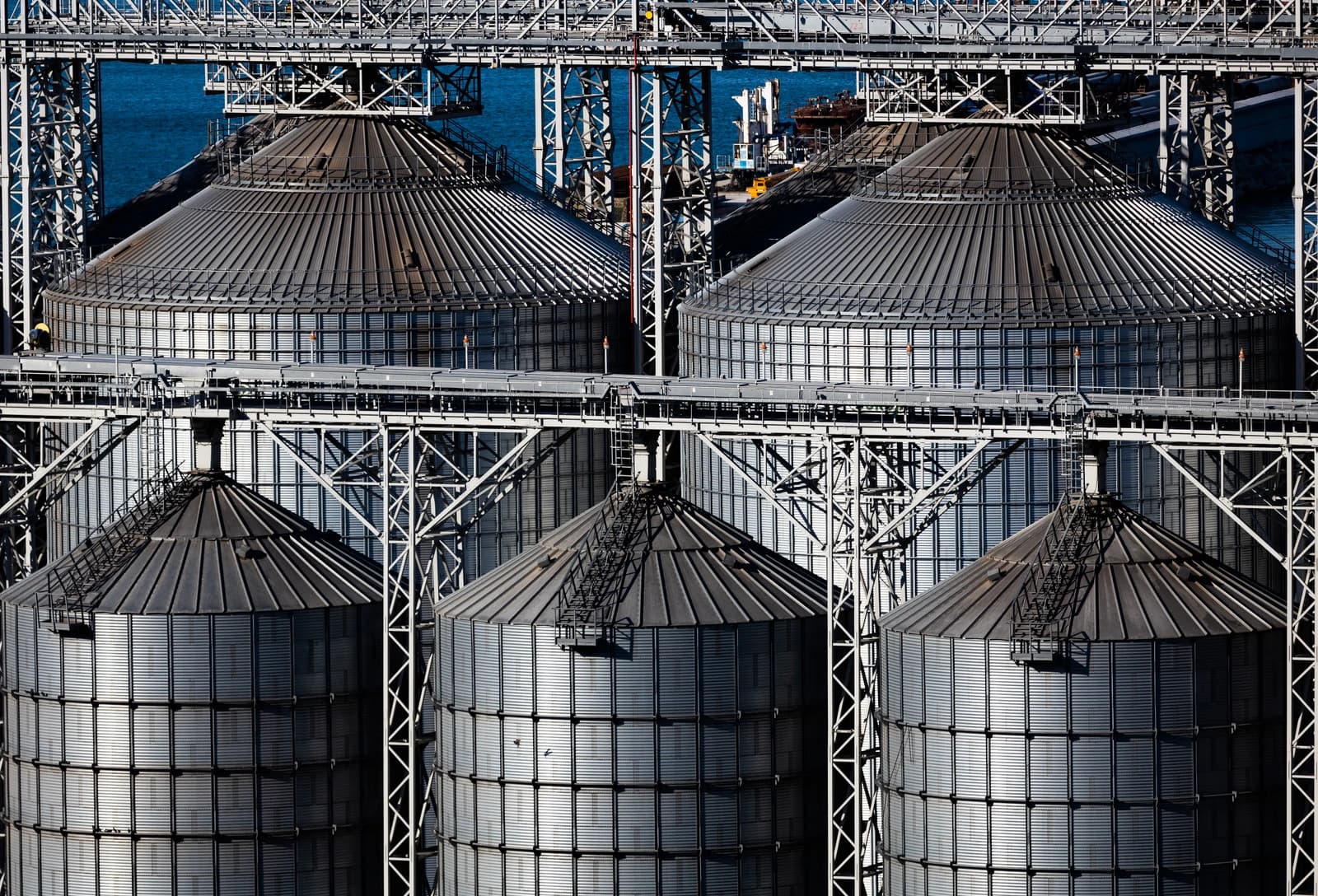
Wheat and corn surged in August as a fresh wave of Black Sea supply disruption tightened the outlook for global grain trade and pushed food and feed costs higher.
Wheat and Corn Surge on Black Sea Supply Risks
The move matters because grains sit at the intersection of geopolitics, inflation and corporate margins. When wheat and corn jump together, the impact ripples beyond farmers and grain merchants into livestock producers, packaged-food companies, biofuel plants and ultimately consumer prices. The latest price action suggests traders are increasingly treating the region’s export channels as a structural risk rather than a temporary shipping bottleneck.
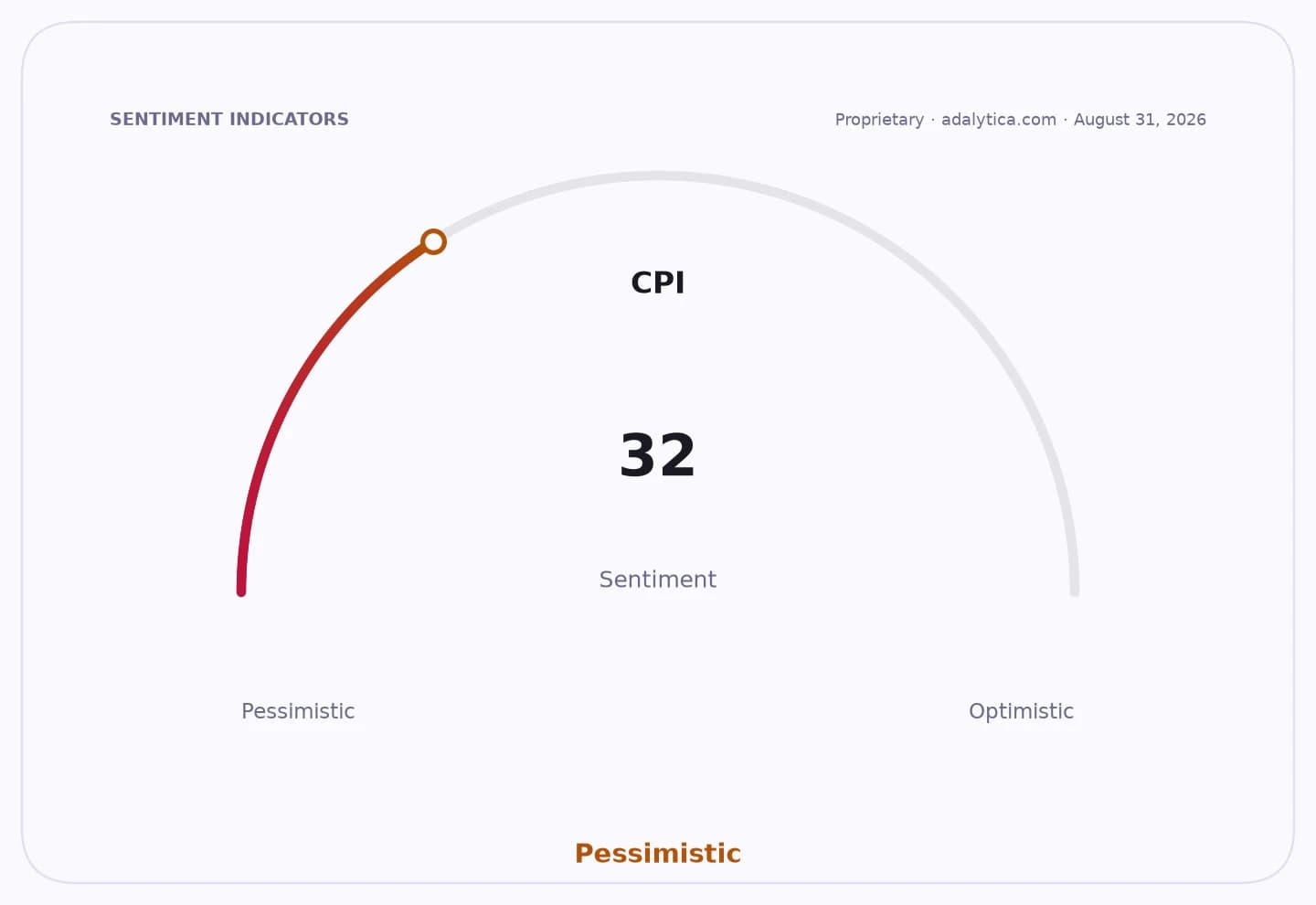
Sentiment IndicatorsⓘProprietary · adalytica.com · August 30, 2026
This is a snapshot — live sentiment, awareness and momentum for 130+ markets update continuously in the dashboard.Open AlphaPulse
That reassessment has been driven by escalating attacks on Ukraine and the resulting strain on grain flows from the Black Sea, one of the world’s most important export corridors. The news backdrop points to delayed shipments, tighter logistics and higher freight costs, all of which can lift delivered prices even when harvests are adequate. At the same time, regional production gains have not fully offset the market’s concern that getting grain to customers is becoming harder and more expensive.
The price reaction has been sharp. Corn futures climbed to 20.03 on Aug. 26 from 17.91 on Aug. 13, while wheat rose to 28.0 on Aug. 28 from 23.71 on Aug. 11. Both markets were already technically stretched, with the relative strength index pushing into overbought territory, but the advance has been backed by heavy volume and momentum indicators that remain positive. That suggests the rally is being driven by genuine supply anxiety rather than a short-lived squeeze.

For grain traders and merchants, the move is a double-edged sword. Higher prices can improve revenue and inventory mark-to-market gains, especially for firms with large merchandising books and freight exposure. But they also raise working-capital needs and heighten volatility, which can whipsaw margins if the market reverses. That is likely to keep hedging activity elevated across the grain complex.
The winners are less clear further down the chain. Farmers may benefit from firmer cash prices if the rally holds, but input costs tied to fuel, transport and logistics remain a problem. End users are more exposed. Animal-feed buyers, food manufacturers and ethanol producers face a higher cost base, which could squeeze margins unless they can pass prices through. In the U.S. corporate market, companies such as Archer-Daniels-Midland and Bunge have more room to capture trading and merchandising gains, while consumer staples groups and protein producers are more vulnerable to margin pressure.
There is also a broader inflation angle. Grains are a key input into bread, meat, dairy and biofuels, so a sustained price shock can re-enter consumer baskets even if headline energy prices are stable. That makes the move important for central banks as well as commodity investors, because food inflation tends to be sticky once supply chains tighten.
For investors, the main question is whether August marks a durable shift in pricing power or just a geopolitically driven spike. If Black Sea disruption deepens, grain-linked ETFs, merchants and storage assets could stay supported. If diplomatic or logistical conditions improve, the rally may fade quickly given how overbought the market has become. Either way, wheat and corn have reasserted themselves as one of the clearest live inflation trades in commodities.
| Entity | Gains | Losses |
|---|---|---|
| Grain merchants | ▲Wider trading spreads | ▼Higher inventory risk |
| Farmers | ▲Stronger crop prices | ▼Higher fuel and logistics costs |
| Food and feed buyers | ▲Some hedging flexibility | ▼Higher input bills |
| Consumers | ▲None | ▼Potential food inflation |