The government is preparing to exempt import duty on 1 million metric tons of wheat, a move aimed at easing domestic supply tightness and cooling food-price pressure at a time when grain markets remain volatile.
Government plans duty waiver on 1 million tons of wheat
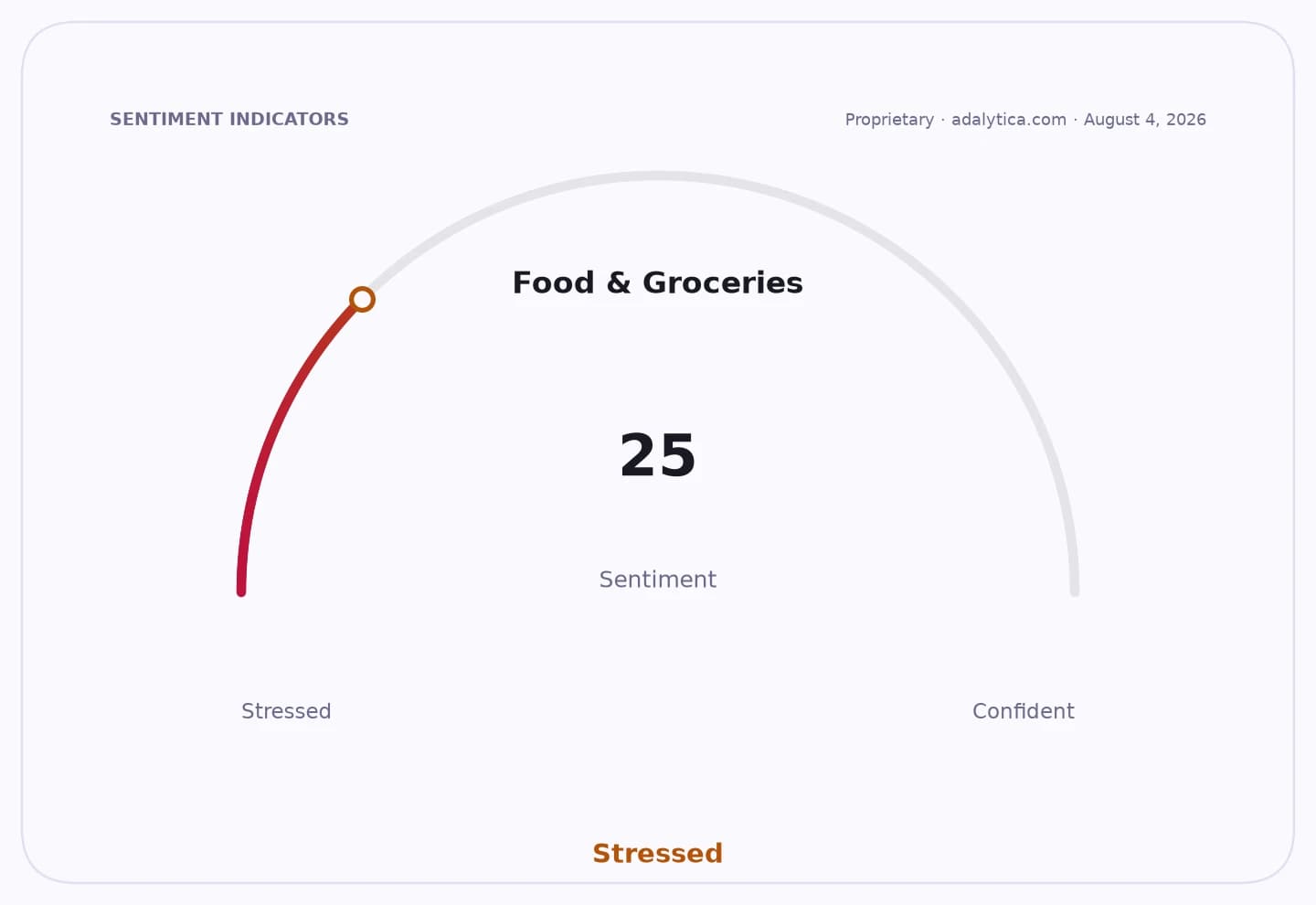
A duty waiver would lower the landed cost of imported wheat and give flour millers and food producers a cheaper source of supply, helping policymakers shore up availability without immediately forcing retail prices higher. That matters because food costs remain one of the most politically sensitive components of inflation, and wheat feeds directly into staples such as flour, bread and processed foods.
Sentiment IndicatorsⓘProprietary · adalytica.com · August 4, 2026
This is a snapshot — live sentiment, awareness and momentum for 130+ markets update continuously in the dashboard.Open AlphaPulse
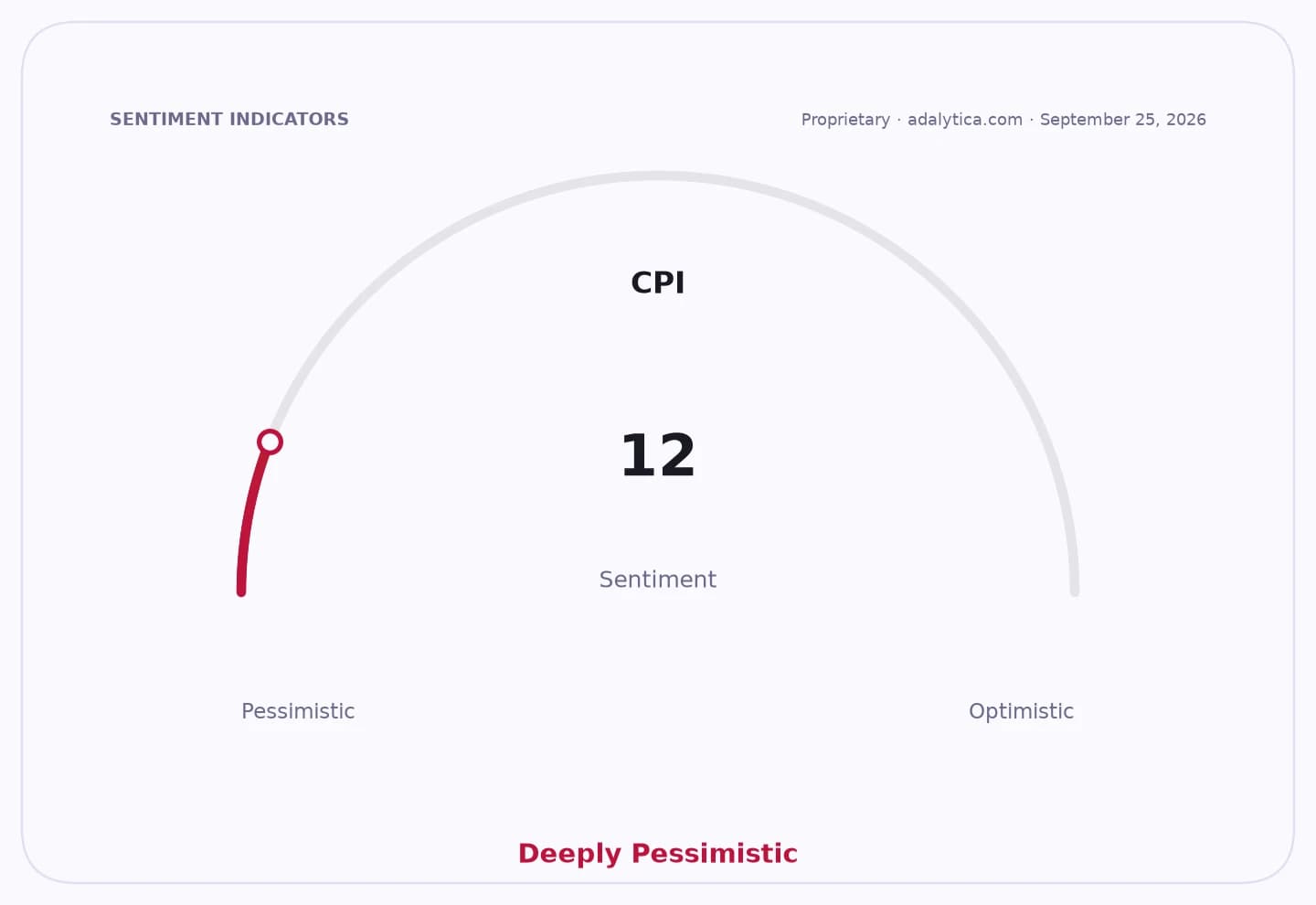
The broader macro backdrop makes the decision more significant. U.S. consumer prices have risen sharply over the long cycle, with the CPI index at 332.568 in June and forecast to edge up again in July, while producer prices have also remained elevated. Even though U.S. unemployment is relatively low at 4.2%, the cost of food remains a pressure point for households and governments alike. In that environment, wheat imports can act as a release valve when domestic harvests are delayed, stocks are thin or local prices become disconnected from global supply.
For investors, the policy is a mixed bag. Wheat traders and consumer staples companies stand to benefit from improved supply visibility and potentially lower input costs. Grain merchants such as Bunge and Archer-Daniels-Midland could see higher import volumes and better merchandising activity if the waiver translates into actual buying. On the other side, domestic wheat farmers may face weaker pricing power if cheaper imports flood the market, especially if global wheat remains under pressure from export disruptions and shifting trade flows.
The market backdrop in wheat has already reflected that tension. The WEAT ETF has been volatile, recently trading around $23.83 after touching $26.00 in late July, with its 50-day moving average near $23.47 and RSI readings swinging from overbought to neutral territory, showing how quickly sentiment can change on policy or supply headlines. ADM shares have also pulled back from earlier highs, while BG has fallen sharply from its June peak, suggesting investors are reassessing earnings leverage to grain price moves and merchant margins.
The policy also lands amid a fragile global wheat setting. Jordan recently canceled a wheat tender, Russian wheat exports fell 17.7% in July, and farmers in several regions have opposed cheap imported grain, arguing it undercuts local production. That makes the proposed duty exemption less about one shipment than about a familiar policy trade-off: protect domestic farmers or prioritize food affordability and market stability.
If approved, the waiver would likely ease near-term supply pressure, but the bigger question for markets is whether it becomes a one-off intervention or the start of a broader import-led reset in wheat pricing.
| Entity | Gains | Losses |
|---|---|---|
| Importers / millers | ▲Cheaper wheat supply | ▼Domestic price pressure |
| Consumers / food makers | ▲Lower input costs | ▼- |
| Domestic wheat farmers | ▲- | ▼Weaker farm-gate prices |
| Grain merchants | ▲Higher trading volumes | ▼Margin uncertainty |