Wheat is refusing to act like a cheap staple again, and that matters because a tighter global crop keeps food inflation from cooling as fast as households and investors might hope.
Wheat ETF WEAT Trades at $23.72 on Aug. 6

The latest move in Chicago wheat futures underscores the market’s central problem: supply is not keeping up with demand at the margin. On Aug. 6, WEAT, the wheat ETF, closed at $23.72 after trading as high as $24.06, while Chicago wheat futures settled at 461.25 cents a bushel, up from 442.25 a day earlier. The fund is still trading well above its 200-day moving average near $22.22, a sign that the rally has not been fully reversed even after recent pullbacks.
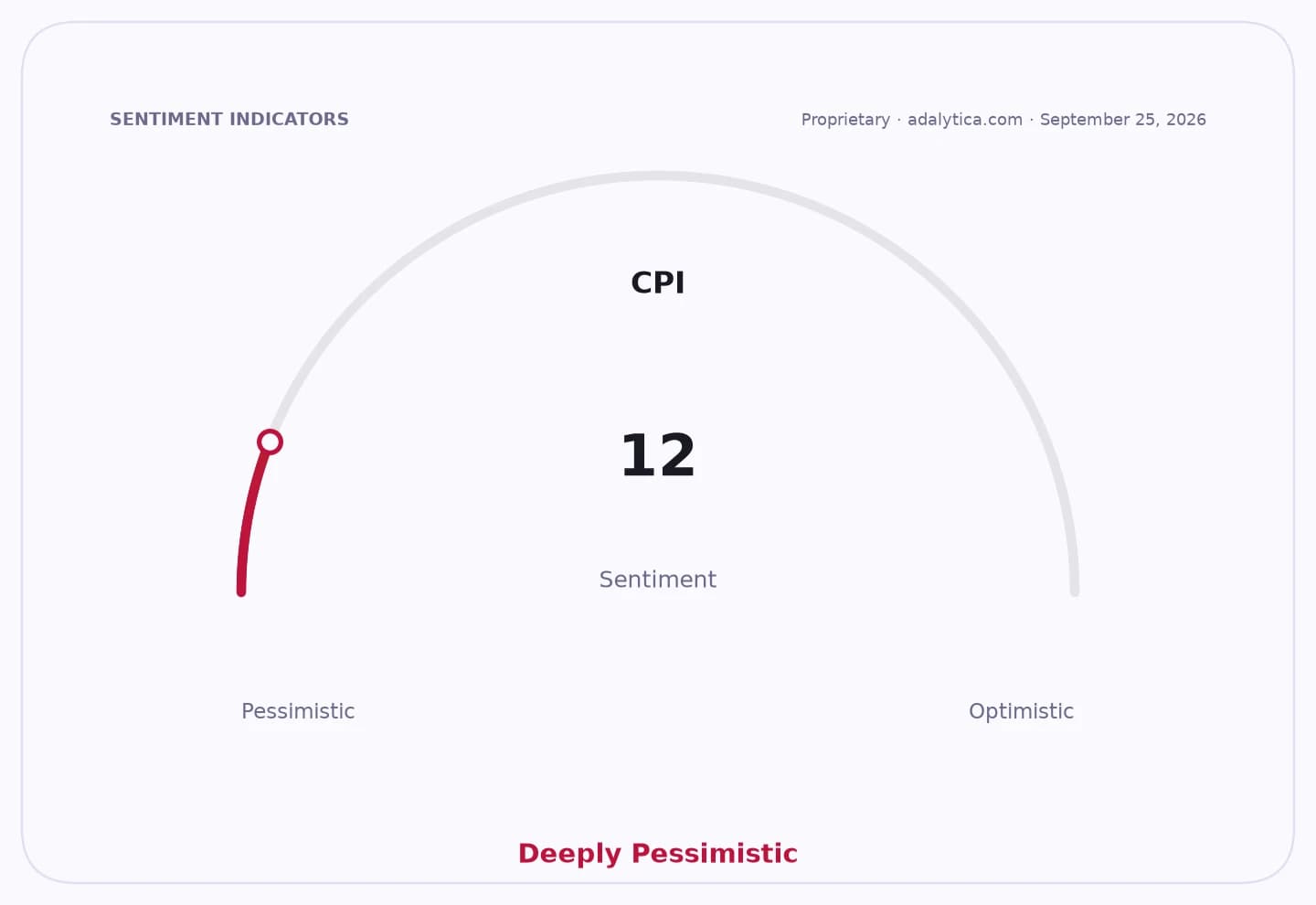
Sentiment IndicatorsⓘProprietary · adalytica.com · August 6, 2026
This is a snapshot — live sentiment, awareness and momentum for 130+ markets update continuously in the dashboard.Open AlphaPulse
That strength fits the broader narrative in grain markets. Harvests at key exporters are coming in lower, and that leaves the world more exposed to weather losses, logistical disruptions and geopolitical friction around Black Sea flows. Syria’s push to wheat self-sufficiency is a reminder that some importers are trying to insulate themselves from that volatility, but for the global market the bigger issue is still the same: when major suppliers produce less, buyers have to bid more aggressively for what remains.
Economically, that feeds directly into food costs. Wheat is not just a trader’s instrument; it sits in bread, pasta and animal feed, so sustained strength can ripple through grocery bills and restaurant costs. The consumer price backdrop is already sticky, with CPI running far above the Federal Reserve’s comfort zone, and higher grain prices make it harder for disinflation to travel cleanly through the food chain.
For investors, the message is less about making a quick trade in wheat and more about understanding who benefits from a tighter crop. Producers and agricultural suppliers can gain pricing power, while import-dependent countries, food makers and retailers face margin pressure. The ETF’s recent volatility also shows how quickly sentiment can swing when weather, export policy or shipping risks change.
The long-term takeaway is straightforward: food markets can stay tight longer than many expect, especially when climate stress and geopolitical strain collide. That argues for patience, diversification and a focus on companies with real pricing power rather than trying to call every move in commodities. Wheat deserves a spot on the watchlist, because when harvests fall short, the cost of bread rarely stays quiet for long.
| Entity | Gains | Losses |
|---|---|---|
| Wheat exporters | ▲Higher prices for smaller crops | ▼Less volume to sell |
| Importers and food buyers | ▲— | ▼Higher input costs |
| Agricultural commodity funds | ▲Better trading momentum | ▼Sharper volatility |
| Consumers and grocers | ▲— | ▼More pressure on food budgets |