Bread wheat exports are being allowed again just as disruptions in the Black Sea and a sharp drop in Russian shipments tighten an already strained global grain market, keeping wheat prices near a two-year high and giving exporters a fresh route to cash in on scarce supply.
Wheat Exports Reopen Amid Black Sea Disruptions

The move matters because wheat remains a core food inflation input, and any reopening of export flows can help stabilize regional supply chains while also supporting farm incomes and foreign-currency earnings. With Russian wheat exports said to be down 30% after intensified attacks in the Black Sea, buyers are being forced to look elsewhere for coverage, and that is feeding into prices across the global market.
Sentiment IndicatorsⓘProprietary · adalytica.com · July 28, 2026
This is a snapshot — live sentiment, awareness and momentum for 130+ markets update continuously in the dashboard.Open AlphaPulse
Wheat futures in the U.S. are reflecting that pressure. The Teucrium Wheat Fund, a popular proxy for wheat prices, closed at $24.62 on July 28, up from $22.70 on July 8, while its 50-day moving average sits at $23.52 and RSI readings have climbed to 67.4, signaling a strong technical bid after a recent breakout. Corn, by contrast, has been far less volatile, with CORN ending at $18.08 on July 28, underscoring that wheat is the grain market’s main stress point.
For agribusiness investors, the policy shift is a tailwind for merchants and shippers tied to exportable wheat surpluses, especially in Turkey, where wheat and barley yields in Amasya have reportedly doubled to 614,000 tons and the sector is targeting a 5 million-ton export surplus via the Euphrates Canal. That should support trading volumes for grain handlers and logistics operators even as broader agricultural trade remains uneven.
Food & Groceries vs WEATadalytica.com
Explore this data interactively — full history, time series and cross-market comparisons.Open AlphaPulse
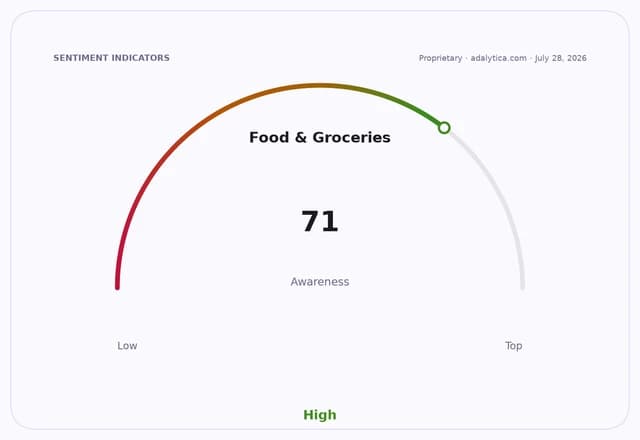
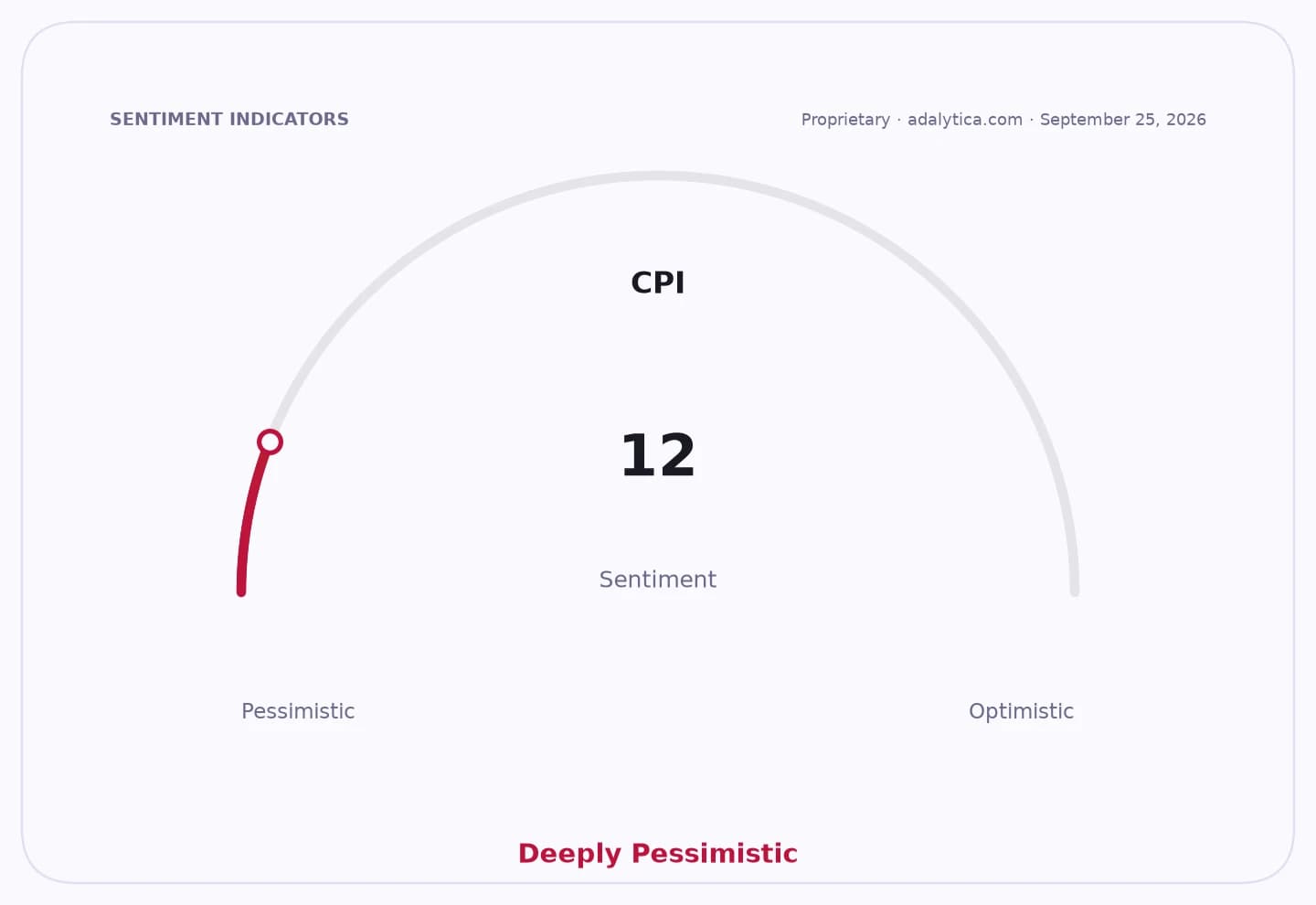
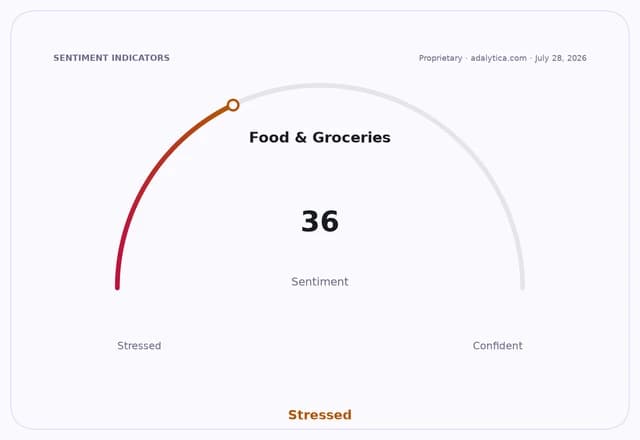
Archer-Daniels-Midland and Bunge are among the companies exposed to those flows, with ADM shares trading at $83.18 on July 28 after a recent run-up and Bunge-backed broad grain merchandising activity likely to benefit if export corridors remain open. At the same time, food and grocery spending sentiment remains weak and CPI sentiment has plunged to “Extreme Fear” in Adalytica’s gauge, a reminder that food inflation remains a political and market risk if wheat costs stay elevated.
The bigger question now is whether July exports hit the weakest level since 2017, as some in the market fear, or whether resumed bread wheat shipments can offset the Black Sea shock and keep global supplies moving. Traders will be watching fresh export data, Black Sea security developments and any further phytosanitary or trade restrictions for the next cue.
| Entity | Gains | Losses |
|---|---|---|
| Wheat exporters | ▲Higher prices, renewed shipments | ▼Policy and logistics risk |
| Grain merchants/handlers | ▲More trading volume | ▼Margin pressure if supply is disrupted |
| Importers/buyers | ▲Better access if flows normalize | ▼Higher procurement costs |
| Consumers/inflation watchers | ▲Smoother supply if exports stabilize | ▼Less relief if wheat stays expensive |