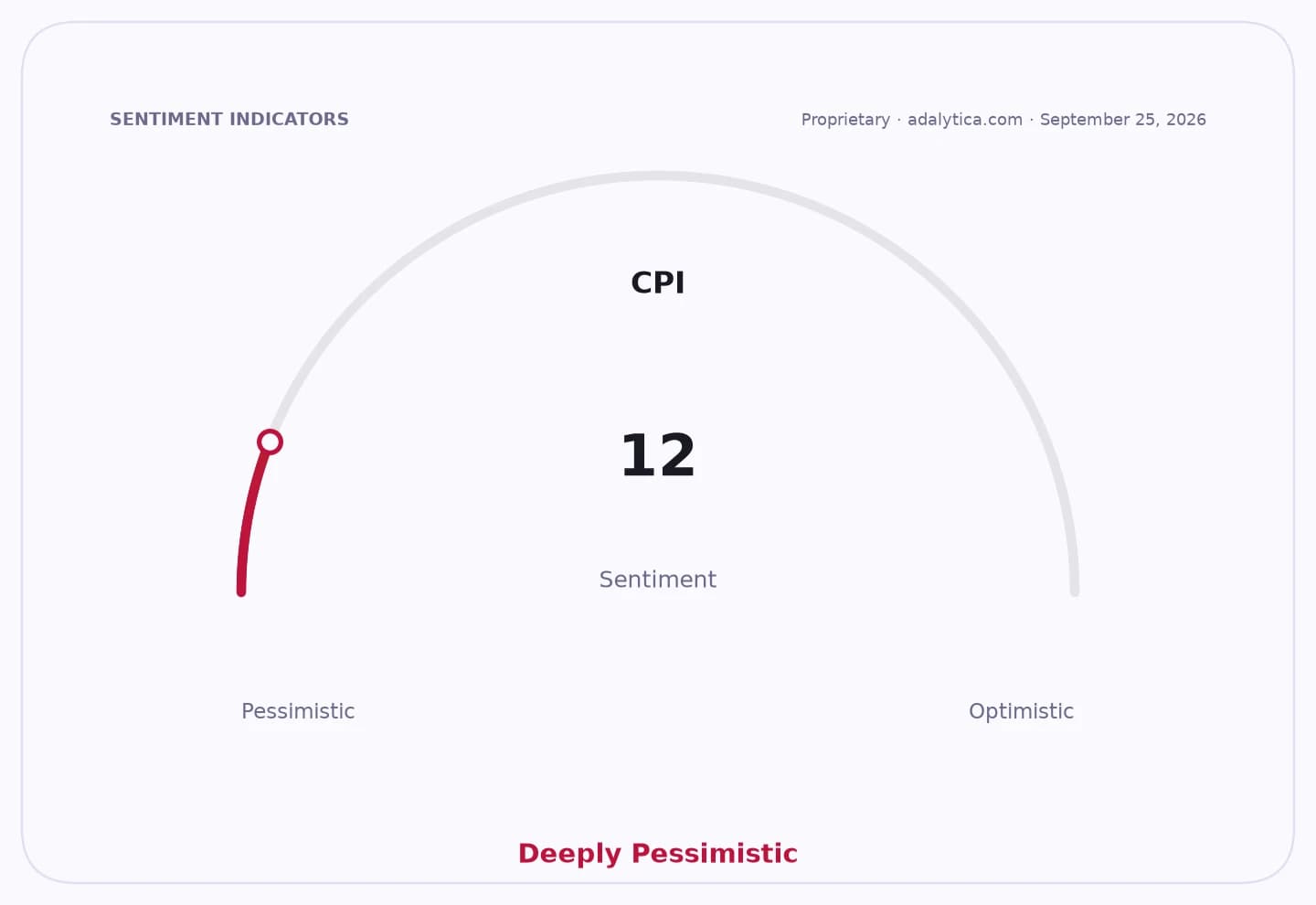
Wheat imports and domestic production policy are back in focus after Anapo said local output covers just 10% of internal demand, a reminder that food inflation, farm policy and trade dependence are converging into a bigger investable theme across grains and agricultural infrastructure.
Wheat Import Dependence Boosts Grain Trade Theme
That kind of supply gap matters because wheat is not a niche crop: when a country covers only a sliver of demand at home, it becomes hostage to imported pricing, freight costs and foreign harvests. For policymakers, that means any promotion policy has to do more than boost acreage — it has to attack yields, irrigation, storage, seed quality and logistics if the goal is to reduce import dependence and cushion consumers from global price shocks.
The market is already hinting at how tight the grain complex remains. Wheat-linked exposure, as reflected in the recent uptrend in the WEAT ETF, has firmed alongside broad agriculture exposure in DBA, even as corn has lagged in a narrower band. WEAT closed at 23.91 on July 14, well above its 50-day and 200-day averages, with RSI readings at 68.6, while DBA held near 27.63, also above both its 50-day and 200-day moving averages. That is not a panic move; it is a market quietly pricing in persistent crop scarcity and policy-driven demand support.
The bigger message for investors is that chronic wheat underproduction does not just affect farmers. It creates opportunities in the picks-and-shovels of food security: seed companies, fertilizer suppliers, irrigation, grain storage, farm machinery, transport and commodity traders. When governments move from rhetoric to promotion policies, capital tends to follow the bottlenecks, not the headline crop.
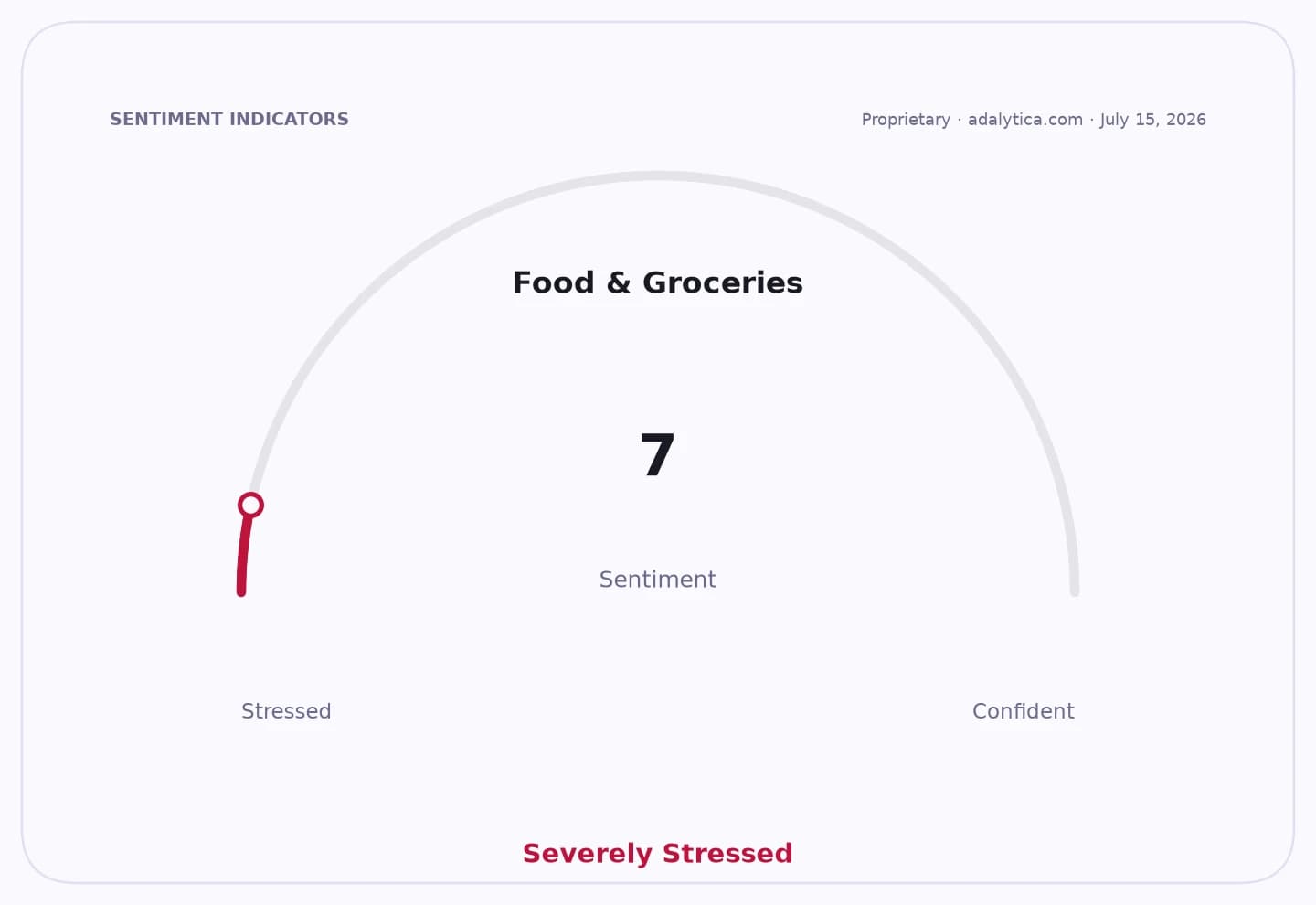
Food & Groceries vs WEATadalytica.com
Explore this data interactively — full history, time series and cross-market comparisons.Open AlphaPulse
There is also a geopolitical layer. Countries that rely on imports for staple grains have less control over domestic inflation and less room to maneuver when Black Sea risk, weather shocks or export restrictions tighten global supply. That pushes food prices, raises pressure on central banks and can spill into consumer spending sentiment — especially in lower-income economies where staples dominate household budgets.
The market underestimates how durable this theme can become. If wheat production really covers only 10% of demand, the gap is structural, not cyclical, and the winners are likely to be the companies that monetize agricultural modernization rather than the growers alone. For investors, the high-conviction trade is to stay exposed to global grain scarcity through diversified agriculture funds and to look for infrastructure and input names that benefit when governments finally decide import dependence is too expensive to accept.
| Entity | Gains | Losses |
|---|---|---|
| Wheat importers | ▲lower near-term supply risk | ▼higher import bills |
| Domestic farmers | ▲policy support and subsidies | ▼pressure to raise yields fast |
| Seed, fertilizer, irrigation firms | ▲new capex cycle | ▼slower policy action |
| Consumers and food processors | ▲better supply stability | ▼higher prices if imports rise |