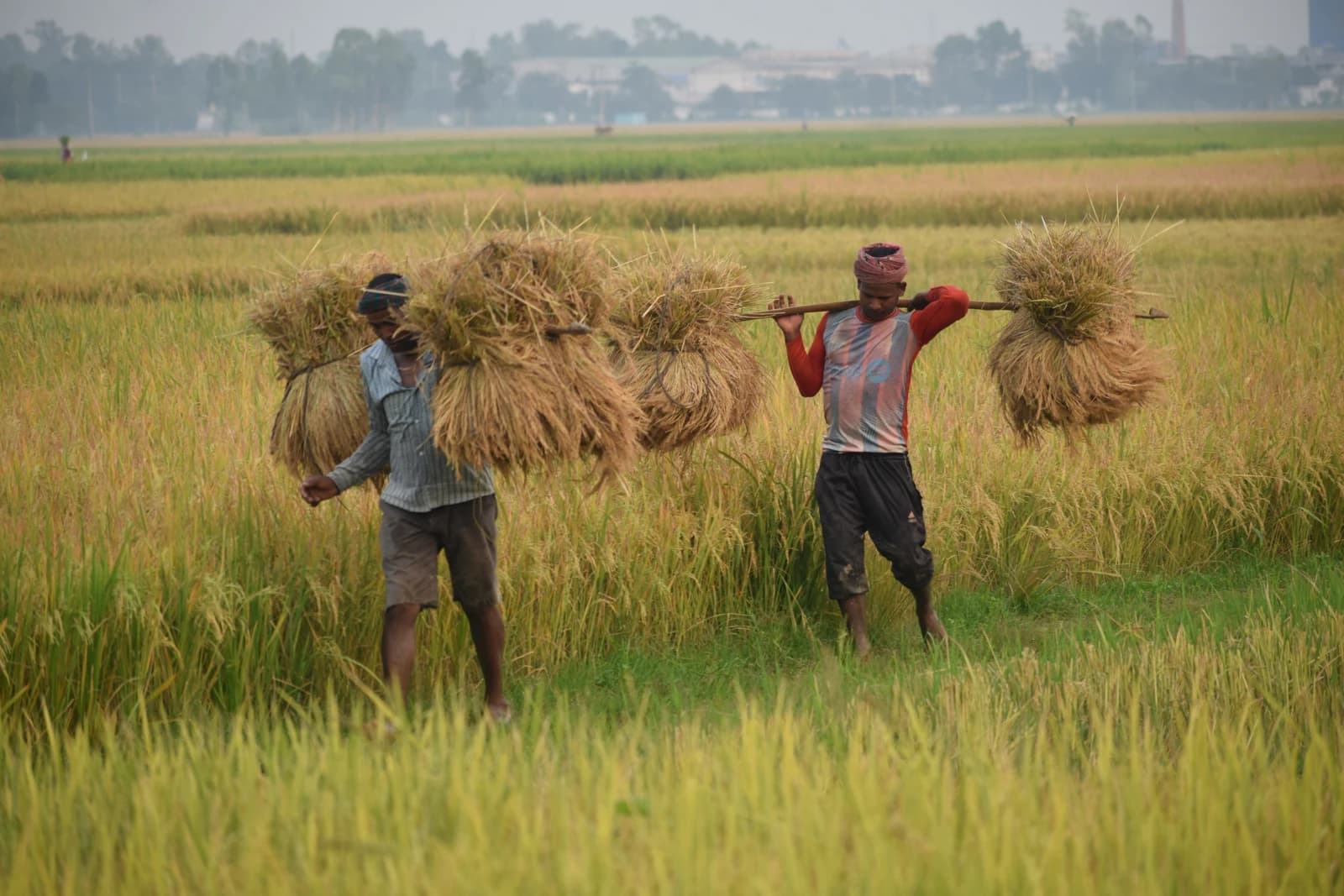
A bag of normal wheat selling for ₹27 a kilogram in Amethi is a small-market signal with big macro meaning: food inflation is still biting consumers, and the pressure is severe enough to keep investors focused on staples, agribusiness and policy response.
Wheat Prices Stay High in Amethi and Global Markets
That local price point matters because it sits against a backdrop of broad grain volatility, firmer farmgate economics and a still-fragile global wheat market. The latest U.S. price indicators show producer inflation remains sticky, with the producer price index up 12.96% in the most recent reading and the consumer price index still running at 336.298, reinforcing the idea that food costs have not normalized even as headline inflation has eased from prior peaks.
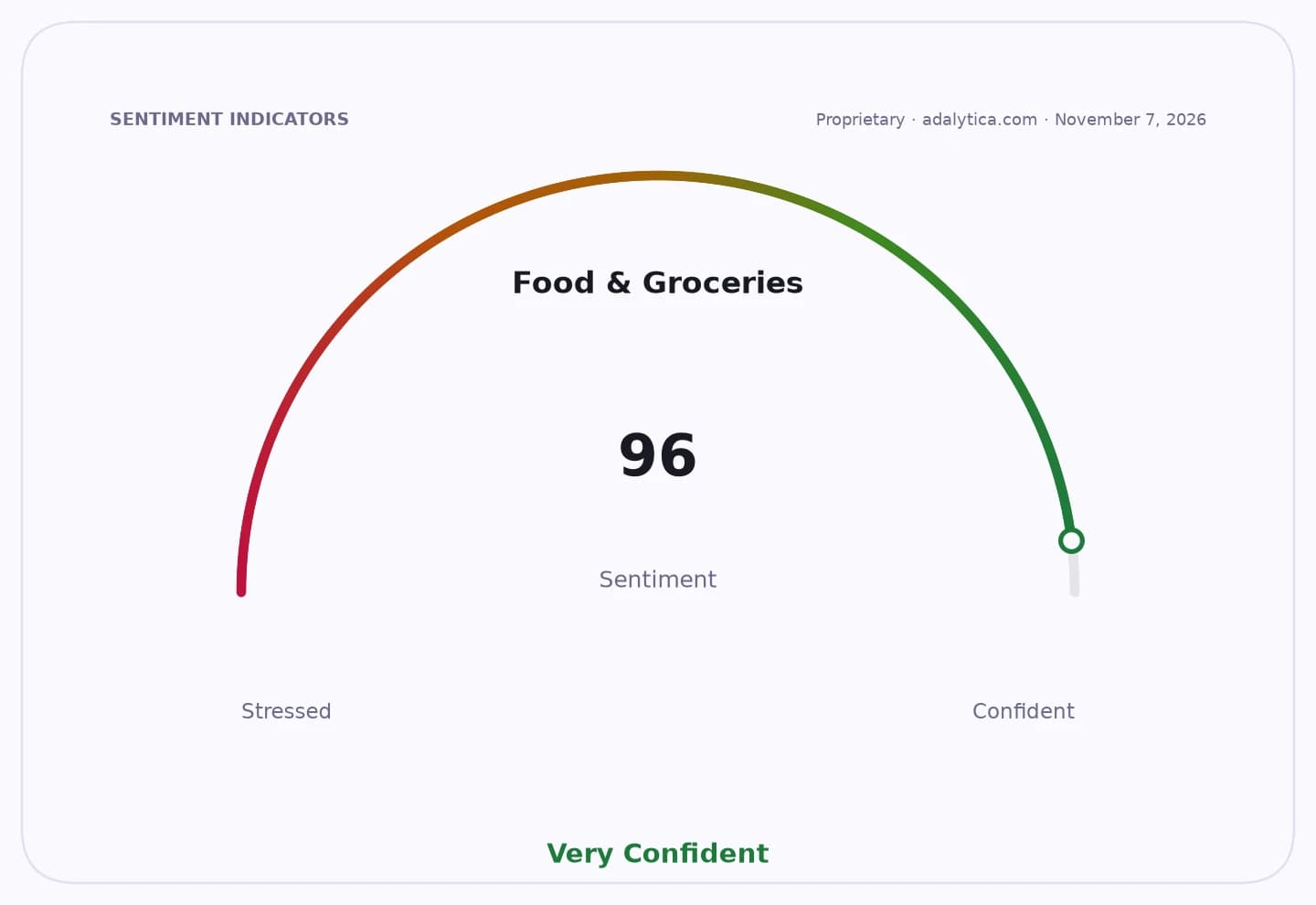
Sentiment Indicators
For India, wheat is more than a crop; it is a political and macro lever. When ordinary wheat reaches ₹27 a kilogram in retail markets, households feel the squeeze immediately, especially in lower-income districts where food takes up a larger share of spending. That kind of pricing can filter into expectations for the government’s grain management, procurement strategy and welfare provisioning, including pressure on storage, distribution and public food programs.
The strain is not just local. Global wheat markets remain driven by Black Sea supply uncertainty, export flows from Russia and Ukraine, and shifting harvest conditions in North America and Europe. Chicago wheat has been volatile, while European and Paris futures have eased recently on expectations of more exports, but that relief has not translated into a clean downtrend in real-world food prices. In the U.S. market, the WEAT wheat ETF has retreated to $23.55 from a recent peak of $26.96, while its 50-day moving average at $25.55 now sits above the latest close, a sign that the trade has cooled after a sharp run.
Food & Groceries vs WEATadalytica.com
Explore this data interactively — full history, time series and cross-market comparisons.
That disconnect is exactly where investors should pay attention. The market is not just trading wheat as a commodity; it is trading the knock-on effects across farmland, seed, fertilizer, grain handling, food processors and consumer staples. ADM, one of the key global grain handlers, has seen its shares climb as high as $88.09 this year before sliding back to $80.46, reflecting how quickly sentiment can swing when crop and crush margins are in flux. Corn futures are also softening, with CORN at $17.86, well below its recent highs, underscoring that agricultural pricing power is uneven rather than broad-based.
The better investment thesis here is not simply to chase wheat itself. It is to position for the second-order beneficiaries of persistent food inflation: logistics, storage, inputs and integrated agribusinesses that can earn on volume, not just spot prices. If wheat stays expensive in local Indian markets while global supply remains unstable, the winners are the firms that control the pipeline from field to flour. The losers are consumers, food manufacturers with weak pricing power and governments forced to balance inflation control with food security.
The current setup argues that food inflation is not finished. Until Black Sea exports stabilize, import logistics normalize and harvests prove durable, wheat will keep acting as a live pressure point for emerging-market consumers and a trading opportunity for investors who understand that scarcity, not abundance, is still setting the tone.
| Entity | Gains | Losses |
|---|---|---|
| Grain traders and handlers | ▲Wider spread opportunity | ▼Volatile margins |
| ADM and peers | ▲Higher throughput leverage | ▼Crop-price swings |
| Consumers in India | ▲None | ▼Higher food bills |
| Wheat bulls/holders | ▲Inflation hedge | ▼Demand destruction risk |