Tunisia’s claim that it has enough soft wheat in reserve through the end of July is a reminder that the wheat market is still being held together by policy, logistics and emergency stockpiles, not by comfort. For investors, that matters because every time a government discloses a grain buffer, it tells you two things at once: near-term import demand may be delayed, but the underlying global supply problem is still alive.
Wheat Supply Risks Keep Grain Stocks Elevated
That’s the real story here. Wheat is not acting like a simple crop market anymore. It is behaving like a geopolitical asset, with reserves, shipping routes and state buying programs shaping prices as much as weather does. Recent crop fires in parts of Europe and Eastern Europe, along with Black Sea-related disruptions and Pakistan’s looming flour shortage, all point to the same conclusion: the world is still vulnerable to localized shocks that can ripple quickly into import demand and food inflation.
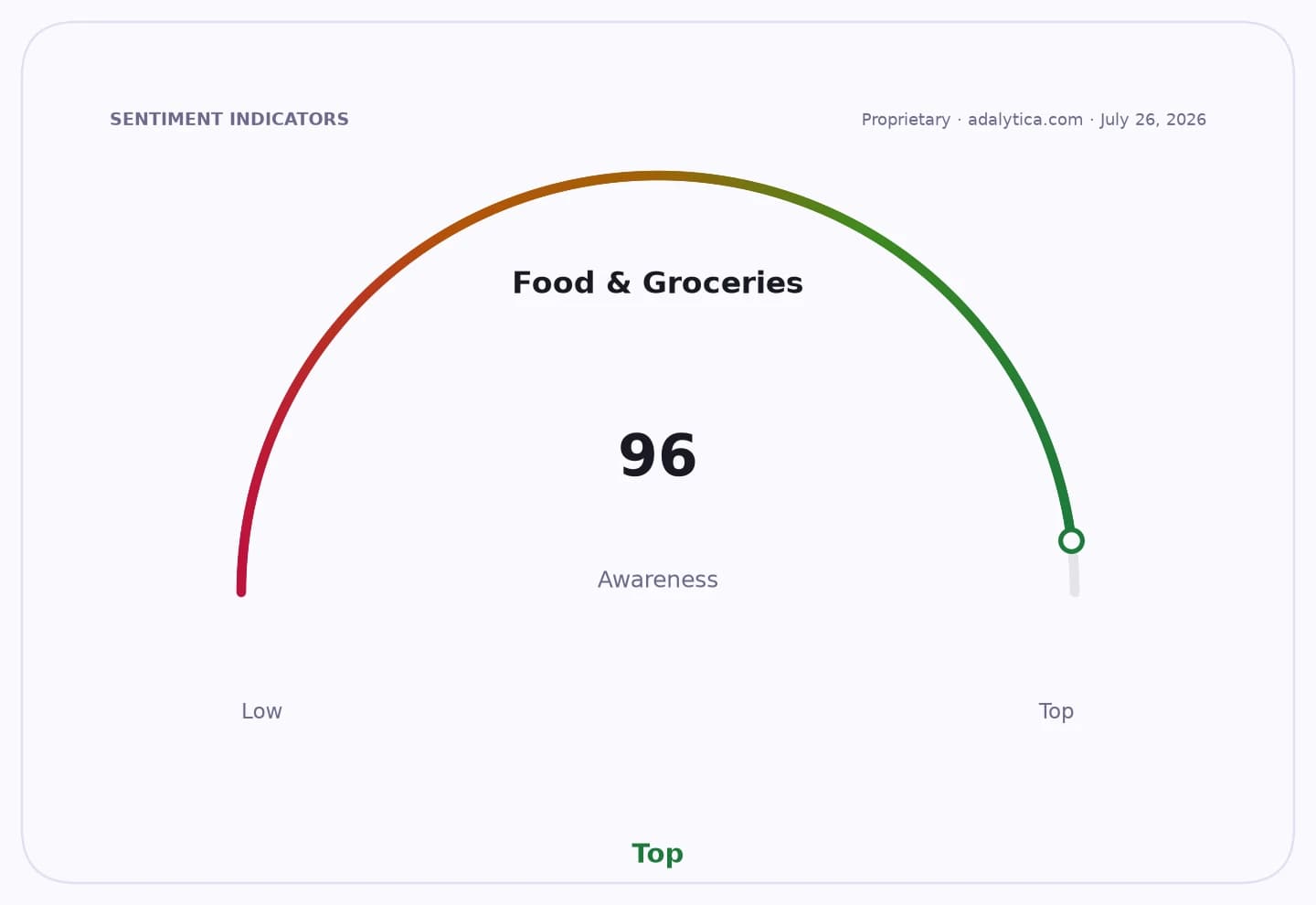
Sentiment IndicatorsⓘProprietary · adalytica.com · July 26, 2026
This is a snapshot — live sentiment, awareness and momentum for 130+ markets update continuously in the dashboard.Open AlphaPulse
The price action in wheat futures shows that pressure. The WEAT exchange-traded fund, which tracks wheat prices, has climbed to 25.22 from 22.70 just two days earlier, after touching 26.00 on July 22. That move came alongside an RSI reading of 71.7, a sign the rally is stretched in the short term, but not necessarily exhausted if supply risks keep piling up. Corn has also firmed, while ADM has pushed to 85.92, reflecting how grain volatility can lift trading and merchandising names even when end-demand remains mixed.
For long-term investors, the significance goes beyond one country’s inventory update. Tunisia’s stockpile suggests governments are still racing to secure basic food supplies, which can support demand for grain traders, storage operators and agribusiness firms that manage global flows. But it also underscores the pressure on consumers and food companies, especially in emerging markets where bread and flour prices can quickly become politically sensitive.
Food & Groceries vs WEATadalytica.com
Explore this data interactively — full history, time series and cross-market comparisons.Open AlphaPulse
That is why names like Archer-Daniels-Midland matter here. When wheat markets are disorderly, large merchandisers can benefit from higher volumes and wider opportunities to move grain, even as mark-to-market swings make quarterly results bumpy. The same dynamic can help explain why agricultural markets often reward scale, logistics and diversification more than pure exposure to one crop.
The bigger lesson for investors is that food security is becoming a durable investment theme, not a passing headline. Climate stress, fertilizer shortages, regional conflict and government policy responses are all feeding a more volatile grain backdrop. If you own wheat exposure through a fund like WEAT, or through diversified agribusiness names, the right mindset is not to chase every spike but to understand the structural forces that keep prices supported over time.
Tunisia’s reserve window may only run to the end of July, but the investment story is much longer than that. As long as governments need to stockpile wheat to calm domestic markets, the companies that move, store and hedge grain are likely to remain worth watching for patient investors.
| Entity | Gains | Losses |
|---|---|---|
| Wheat bulls | ▲Higher price support | ▼Short-term volatility |
| Grain traders and merchandisers | ▲Bigger hedging opportunities | ▼Inventory mark-to-market swings |
| Food importers and consumers | ▲Temporary supply coverage | ▼Higher food costs |
| ADM and peers | ▲Trading volumes, pricing power | ▼Unstable margins |