Whitehorse’s inflation rate surged to 6.1% in September, the highest among Canadian jurisdictions and a stark reminder that northern households are facing a different cost profile than the rest of the country.
Whitehorse inflation rises to 6.1% in September
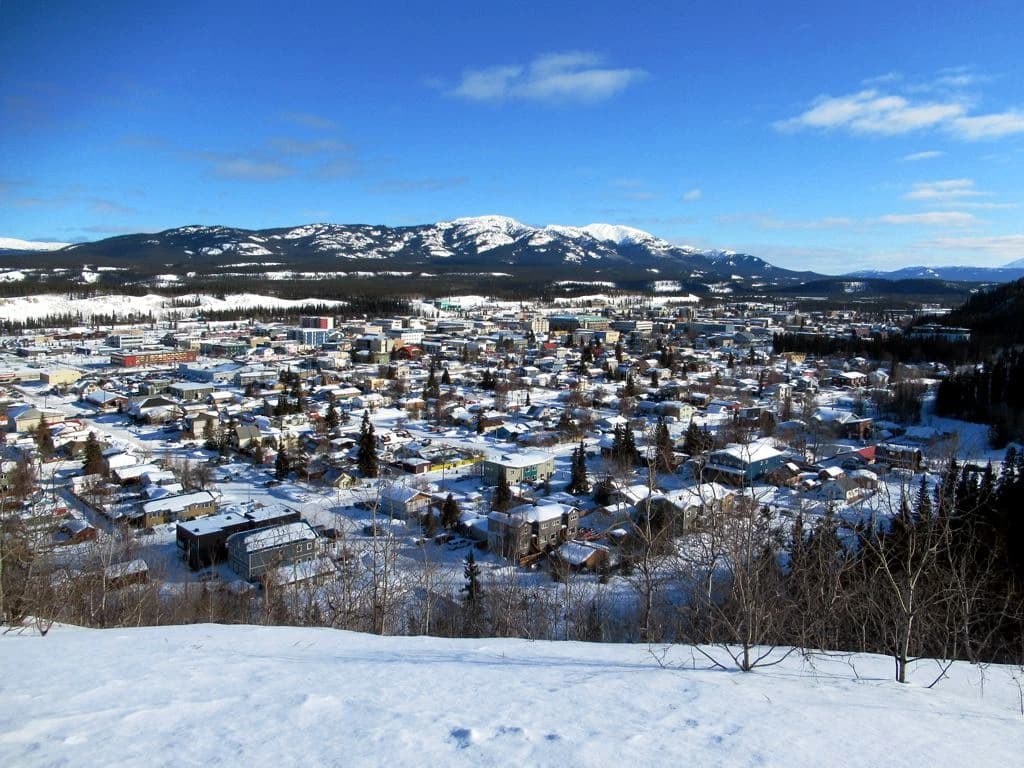
The jump matters because it is not just a local data point but a sign of persistent regional price pressure that can filter through wages, consumer spending and utility bills in a smaller economy with fewer substitutes. Whitehorse’s annual inflation rate was three percentage points above the national average of 3.1%, underscoring how uneven Canada’s price burden remains even after the country’s broader inflation wave has eased from earlier peaks.
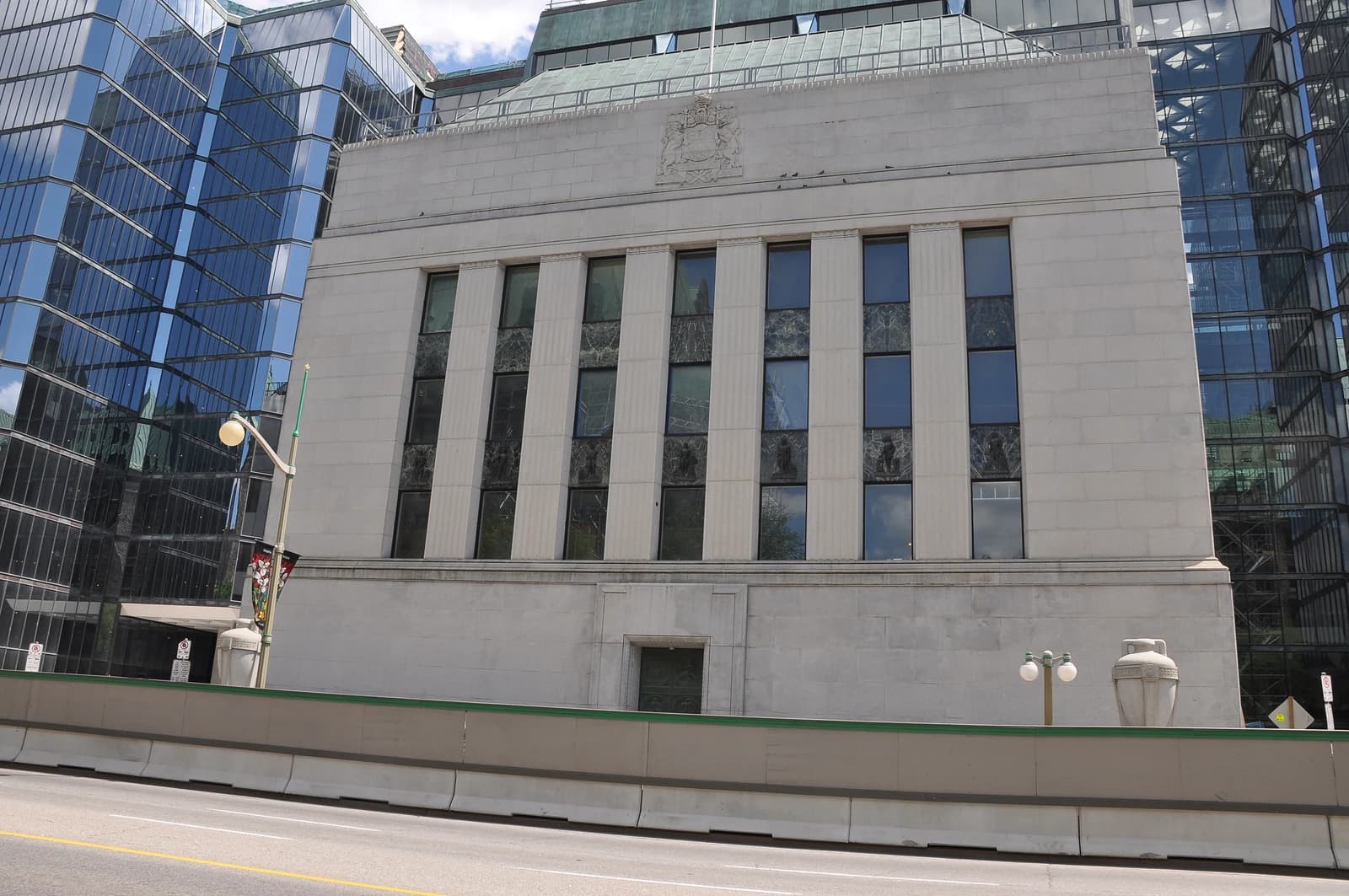
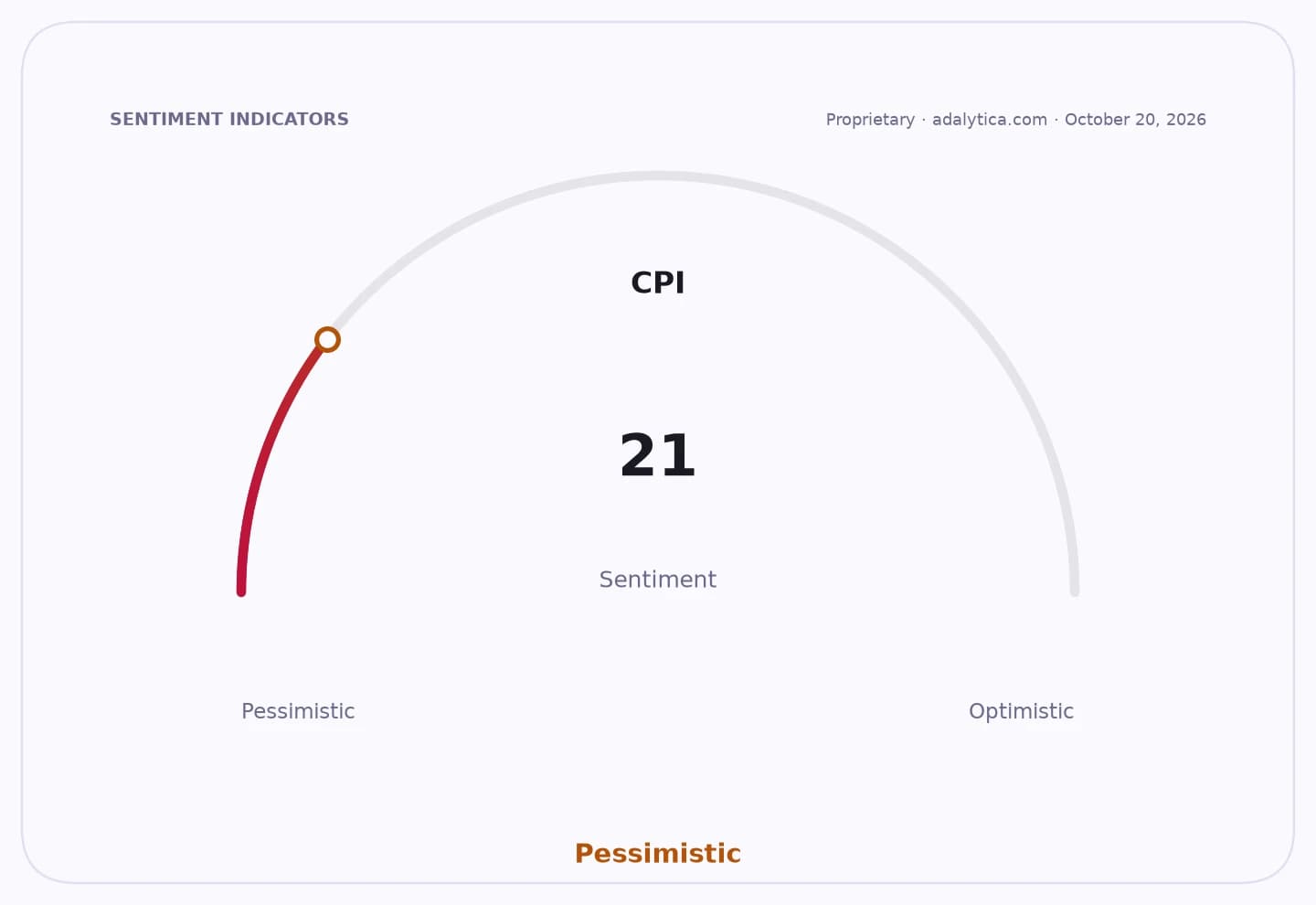
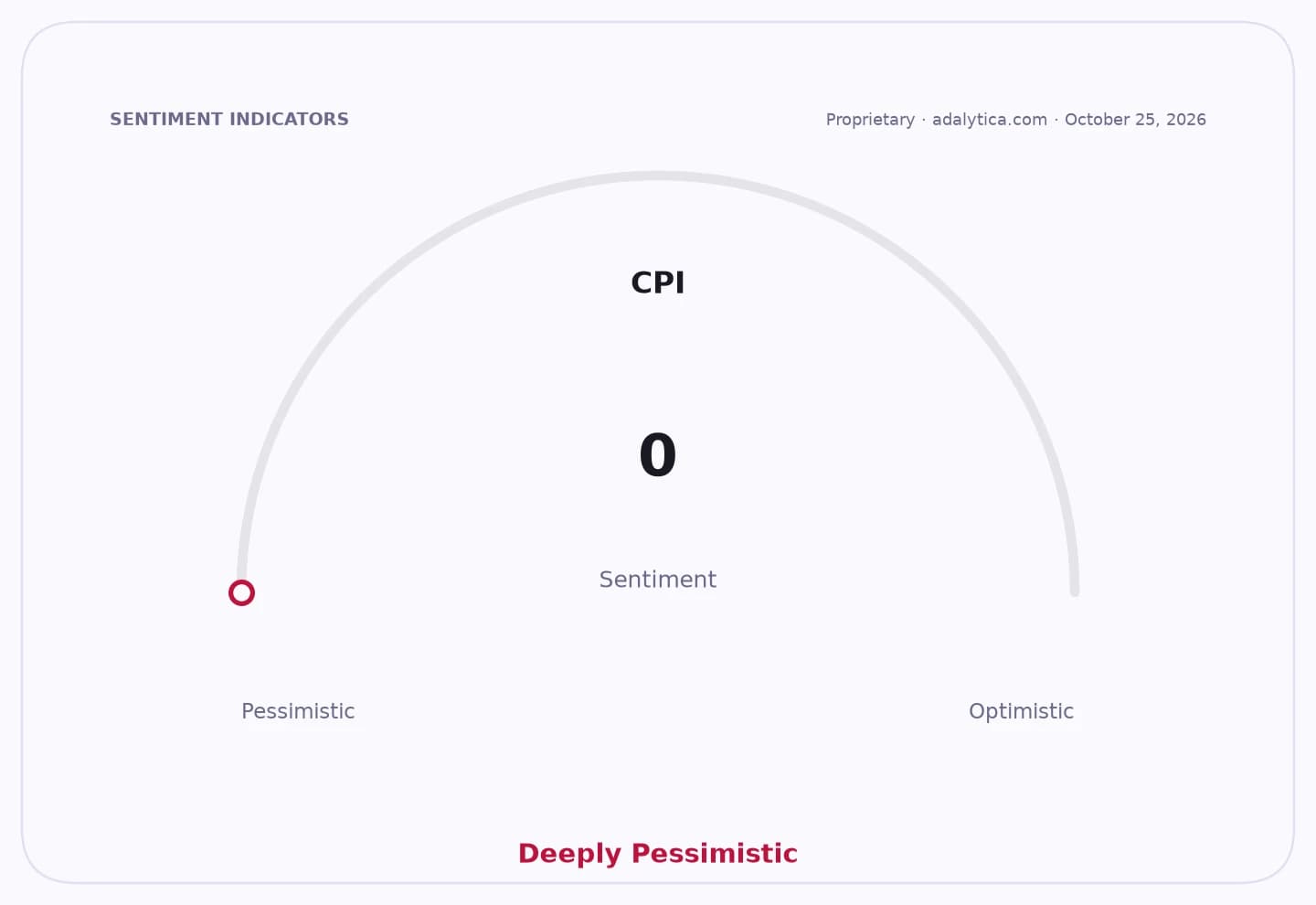
Sentiment Indicators
The latest increase was driven mainly by travel services, inter-city transportation, the operation of passenger vehicles and electricity, according to the Yukon Bureau of Statistics. Those are all categories that hit everyday budgets quickly and are difficult for households to avoid. The report linked higher fuel-related costs to crude oil gains after Middle East supply-chain disruptions, while electricity prices continued to rise under phased rate increases by local utility providers.
That mix is economically important because it points to a supply-side and administered-price problem rather than a one-off demand spike. Utility costs have been building since July 2025 and remain embedded in the territory’s inflation figures, meaning the pressure is likely to linger even if monthly price growth eases. In September, Whitehorse’s consumer price index fell 0.3% from August, but that monthly moderation did little to offset the annual acceleration.
For investors, the story is less about a tradeable market reaction than about what it says on monetary and policy pass-through. A local inflation rate this high can complicate affordability, support higher service and utility revenues, and keep pressure on territorial policymakers to manage household costs. It also reinforces the broader Canadian theme that inflation is not fully uniform: regions exposed to energy, transport and electricity shocks can still see sharp price gains even when the national pace looks more contained.
There is some relief in the data. Household equipment prices fell and helped offset part of the increase, showing that not every category is moving in the same direction. But the broader message is that Whitehorse remains vulnerable to imported energy costs and regulated utility pricing, making the September spike more than a statistical outlier.
If the recent oil and electricity pressures persist, Whitehorse inflation could remain above the national average into year-end. For residents, that means tighter real incomes. For policymakers, it means the challenge is not simply cooling demand, but shielding a small, high-cost market from external price shocks that arrive faster and last longer than in larger urban centres.
| Entity | Gains | Losses |
|---|---|---|
| Yukon utilities | ▲Higher revenue base | ▼Households facing steeper bills |
| Energy producers | ▲Stronger fuel-price environment | ▼Consumers and transport users |
| Whitehorse households | ▲Slight relief from lower household equipment prices | ▼Real purchasing power |
| Territorial policymakers | ▲Stronger case for cost-of-living measures | ▼Political pressure from inflation |