Rising lease costs for wind turbines are turning one of Europe’s flagship energy policies into a political and economic liability, with the burden increasingly landing on taxpayers and power consumers.
Rising Wind Leases Pressure Renewable Margins
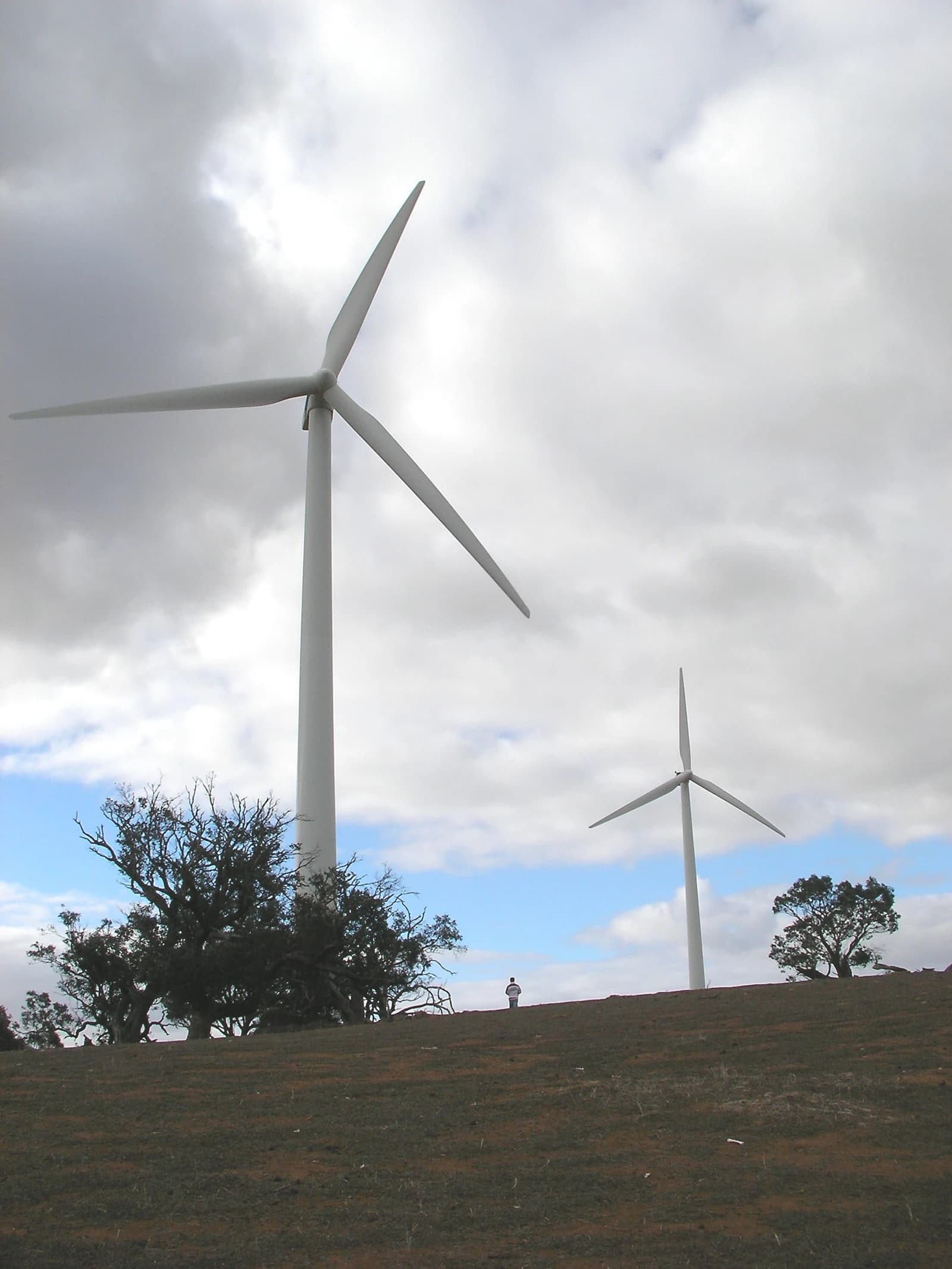
The central issue is not whether Europe should keep building out renewable energy, but who pays when the economics of that buildout deteriorate. Higher land and lease charges for wind projects increase the cost of delivering clean electricity, squeeze project returns and ultimately feed through into electricity prices or public support schemes. That makes the trend relevant far beyond the renewable sector: it affects inflation, industrial power costs and the credibility of the energy transition itself.
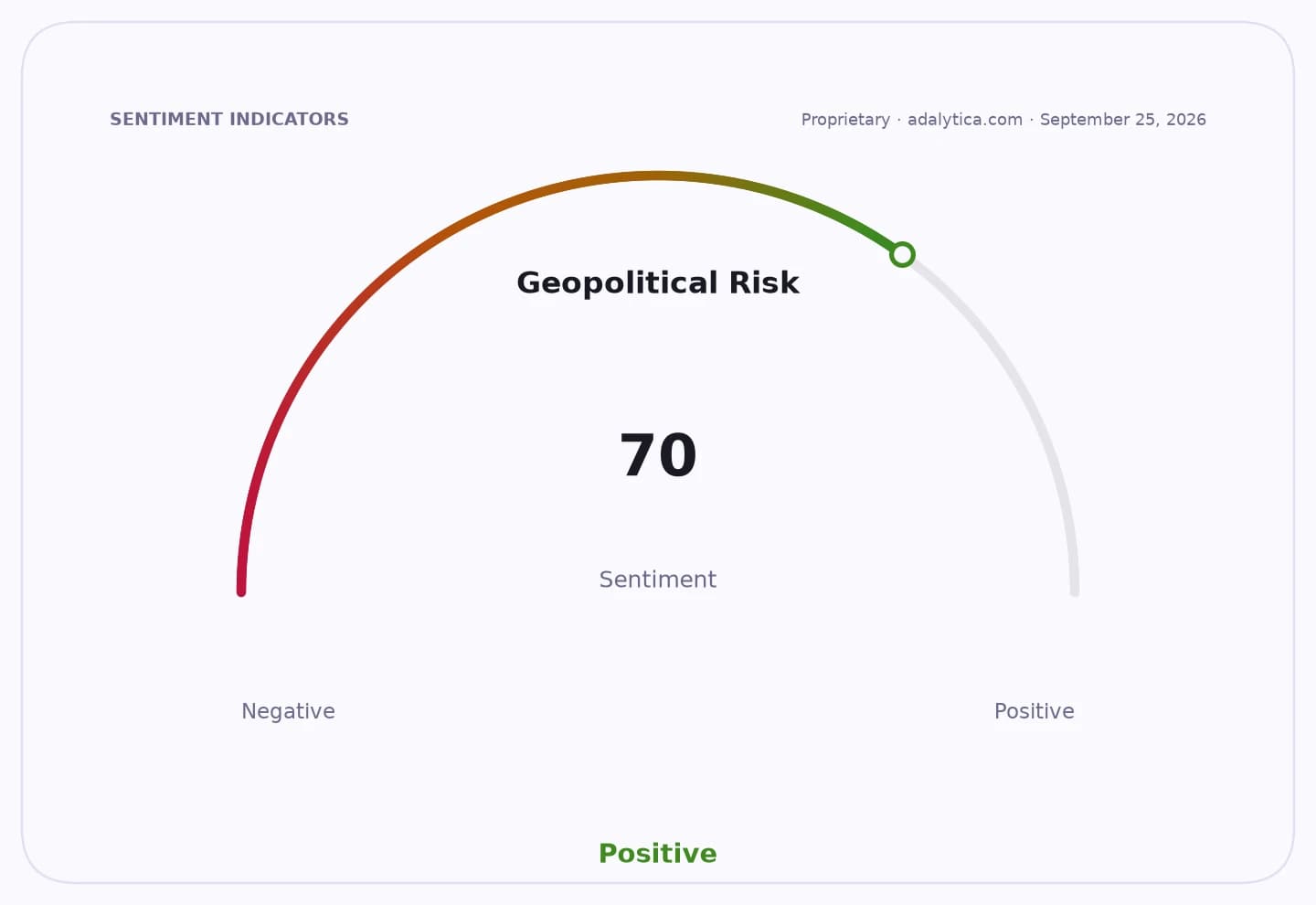
Sentiment IndicatorsⓘProprietary · adalytica.com · July 27, 2026
This is a snapshot — live sentiment, awareness and momentum for 130+ markets update continuously in the dashboard.Open AlphaPulse
The seed case — a 400,000-euro lease for a wind turbine — captures a broader shift in bargaining power. As demand for renewable sites rises and suitable locations become scarcer, landowners and local operators can extract more value from developers. For utilities and independent power producers, those higher fixed costs weaken already thin margins. For governments, they raise the risk that subsidies, guarantees or regulated tariffs become more expensive than planned.
That helps explain why the issue has become politically sensitive. The renewable push is increasingly colliding with fiscal constraints and public resistance to higher bills. Similar tensions are visible elsewhere in the sector: Australia’s home battery subsidy programme has run into a major cost overrun, while policymakers there are also grappling with the fact that most approved suppliers are foreign. Together, those developments underscore a familiar problem in the clean-energy rollout — the promise of lower long-term energy costs is being tested by near-term subsidy, land and supply-chain expenses.
For investors, the implication is that renewables are no longer just a growth story; they are a policy and margin story. Developers with locked-in land banks, low-cost supply chains and strong balance sheets are better positioned than those exposed to rising lease rates and political intervention. NextEra Energy and other large-scale clean-power operators may still benefit from the structural buildout, but the market is increasingly distinguishing between companies that can pass costs through and those that cannot. That is one reason the sector has become more volatile even as long-term demand remains intact.
The technical picture in renewable equities reflects that uncertainty. NextEra Energy has held above its 200-day moving average, suggesting relative resilience, while First Solar has remained well above both its 50-day and 200-day averages, though momentum has eased. Enphase Energy has been far more fragile, with its shares sitting below both moving averages and RSI readings pointing to weakness. In other words, investors are rewarding companies with clearer pricing power and punishing those tied more closely to subsidy-dependent demand.
The broader narrative is that Europe’s energy transition is moving from a phase of easy political support to one of cost scrutiny. The more expensive wind leases become, the more the bill shifts from private developers to the public through tariffs, taxes or subsidies. That may not stop the buildout, but it is likely to shape where capital flows next — toward projects and companies that can deliver renewable power without relying on ever-rising state support.
| Entity | Gains | Losses |
|---|---|---|
| Landowners / site lessors | ▲Higher lease income | ▼None |
| Wind developers / utilities | ▲Project access in scarce sites | ▼Lower margins |
| Taxpayers / power consumers | ▲Cleaner grid in theory | ▼Higher bills and subsidies |
| Low-cost, scaled renewable firms | ▲Better competitive positioning | ▼Costlier, smaller rivals |