The energy shock that has been squeezing Europe is still doing damage in markets, keeping oil elevated, supporting inflation and forcing investors to think harder about where cash flow will go next.
WTI Near 88.70, S&P 500 ETF Near 747

West Texas Intermediate is forecast around $88.70 a barrel on July 28, still high enough to keep pressure on businesses that rely on fuel, power and freight. At the same time, the U.S. 10-year Treasury yield is hovering near 4.66%, a reminder that borrowing costs are not falling fast enough to give the stock market an easy valuation boost. For investors, that combination matters because it tends to favor companies with real pricing power and steady free cash flow while punishing weaker balance sheets and energy-sensitive industries.
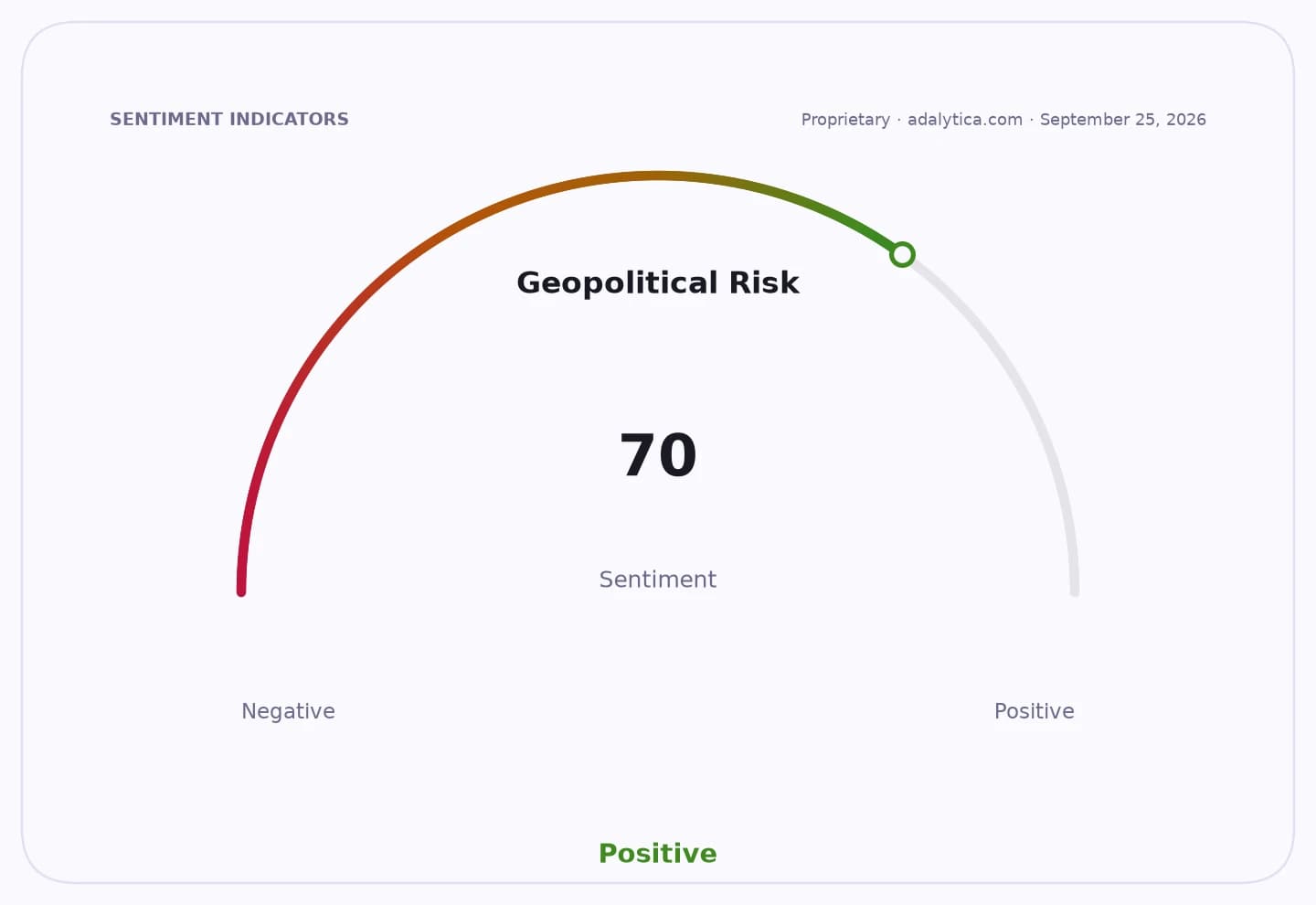
Sentiment IndicatorsⓘProprietary · adalytica.com · August 1, 2026
This is a snapshot — live sentiment, awareness and momentum for 130+ markets update continuously in the dashboard.Open AlphaPulse

The broader message is that this is no longer just a commodity story. It is a cash-flow story. When energy stays expensive, households have less room to spend on everything else, corporations face higher input costs and central banks have less freedom to cut rates. That helps explain why the S&P 500 ETF has been stuck near 747, even after a rebound from March’s low, while its 50-day moving average around 744 and RSI readings near neutral suggest a market that is still searching for direction rather than launching into another easy leg higher.
Oil’s resilience also keeps the inflation debate alive. The Bank of England’s chief economist warned that the energy crisis could leave long-term inflation pressures in place, and that matters well beyond Britain. Inflation that refuses to fade keeps nominal bond yields elevated, which in turn makes future earnings less valuable in present-value terms. That is one reason long-duration assets have struggled to regain momentum, even as the TLT bond ETF has drifted down to about 82.25 and remains below both its 50-day and 200-day moving averages.
For stock investors, the winners are more obvious than the losers. Energy producers and service companies can still enjoy strong margins when crude holds near these levels, and firms with global exposure to upstream spending continue to benefit from sustained capital discipline and tight supply. But airlines, transport, industrials and consumer companies with thin margins face a tougher road. Higher fuel bills and sticky rates can quickly turn modest revenue growth into earnings disappointment.
The U.S. dollar adds another layer to the story. Adalytica’s U.S. Dollar Trade Signals snapshot shows neutral sentiment but extreme-greed awareness, reflecting how quickly the currency can become a refuge when growth worries rise. That matters because a firmer dollar can ease import costs in the short run, but it can also tighten financial conditions globally and add stress to dollar-funded borrowers abroad.
The long-term investing lesson is simple: energy shocks rarely stay in the energy market. They move through inflation, rates, currencies and ultimately equity valuations. That is why investors should keep an eye on quality balance sheets, durable margins and companies that can compound cash flow through different price cycles. In a market like this, patience and diversification still win.
| Entity | Gains | Losses |
|---|---|---|
| Energy producers | ▲Higher cash flow | ▼Commodity buyers |
| Bond investors | ▲Higher yields on new debt | ▼Existing bondholders |
| Consumer/transport stocks | ▲— | ▼Fuel-cost pressure |
| Cash-rich companies | ▲Stronger pricing power | ▼Margin-compressed rivals |