Oil’s surge back above $100 a barrel is the most important market development here, because it threatens to reawaken the inflation shock that investors had just started to price out and gives the energy trade a fresh earnings tailwind.
XLE rises to 59.55 as oil tops $100
That is why the July rally in the energy sector matters. When crude breaks higher on geopolitical risk, the effect is not limited to commodity traders: it ripples through transport costs, consumer spending, central bank expectations and equity leadership. A sudden move in oil is effectively a tax on importers and a margin gift to producers, and the market has quickly moved to reward the latter.
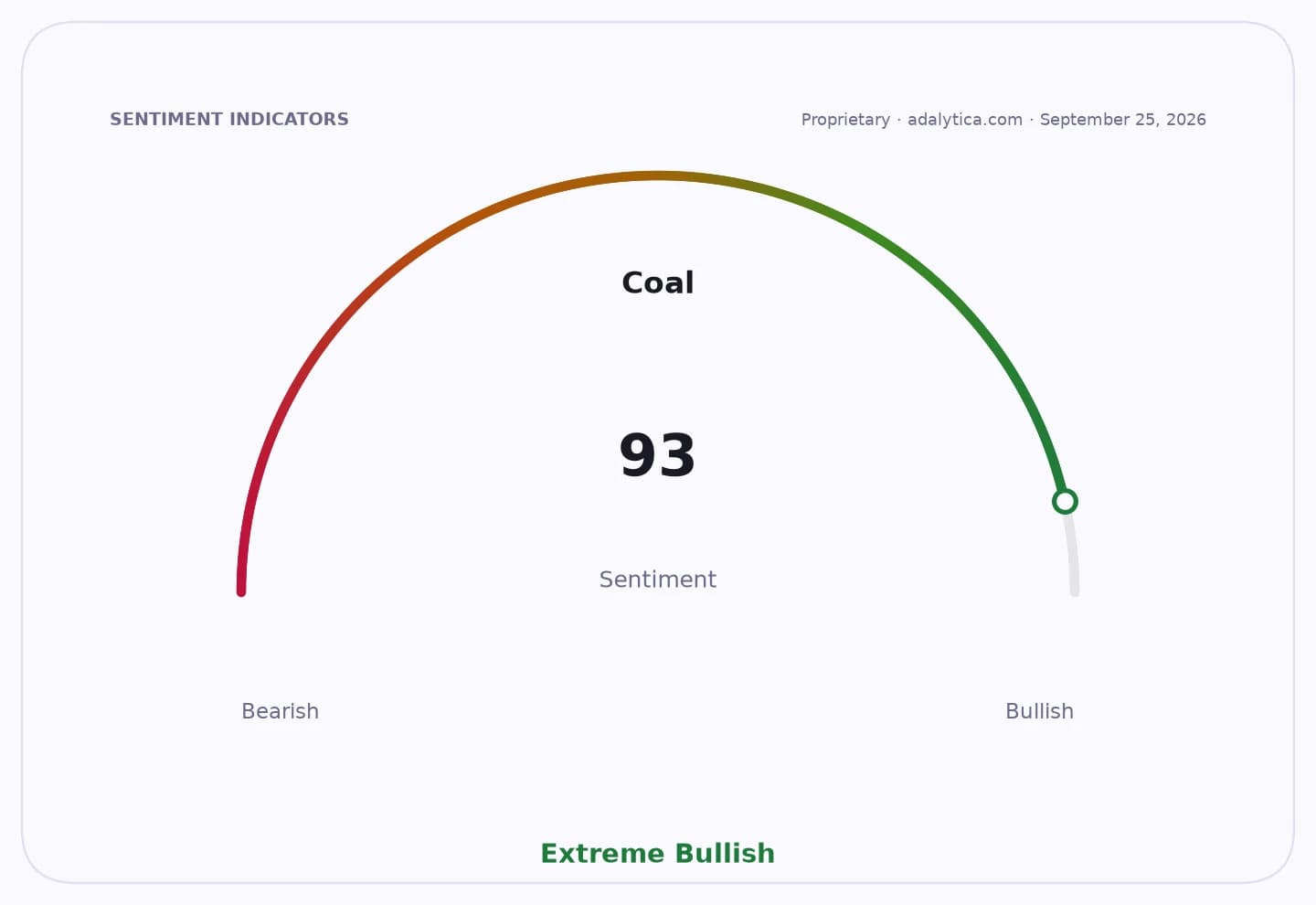
Sentiment IndicatorsⓘProprietary · adalytica.com · August 1, 2026
This is a snapshot — live sentiment, awareness and momentum for 130+ markets update continuously in the dashboard.Open AlphaPulse
The trade is visible in the sector’s price action. The Energy Select Sector SPDR Fund, XLE, climbed to 59.55, up from 55.60 on July 8 and well above its 50-day moving average of 56.50. That move has come with momentum confirmation, as its 14-day RSI has pushed into the high-60s and the fund’s MACD remains above its signal line. Exxon Mobil has moved even more forcefully, ending July at 155.44 after touching 156.97 the day before, with the stock sitting comfortably above both its 50-day and 200-day moving averages.
The broader message is that the market is repricing geopolitical risk faster than it is pricing a demand slowdown. That helps explain why oil-linked equities have held up even as other parts of the market wobble. Adalytica’s Global Stability gauge remains in a high-risk configuration, while its oil trade signal shows a sharp 1-day and 7-day jump, underscoring how quickly traders have pivoted back toward supply-disruption hedging.
For investors, the setup remains asymmetric. The obvious winners are integrated producers, oil service names and energy ETFs, which can benefit from higher realized prices, stronger cash flow and, in many cases, capital returns. The losers are airlines, refiners, chemicals, transport-heavy industries and oil-importing economies that face higher input costs and softer margins. If crude stays elevated, the inflation narrative will also become a problem for rate-sensitive sectors and for the broader equity market’s valuation multiple.
The market may still be underestimating how powerful this second-order effect can be. A sustained oil move above $100 does not just lift energy earnings; it can change the leadership of the entire equity market by reviving inflation pressure and keeping capital flows tilted toward hard assets, cash-generative producers and infrastructure tied to global energy demand. For now, I believe the better trade is to stay positioned in energy, especially the majors and sector ETFs, while the geopolitical premium remains in place.
| Entity | Gains | Losses |
|---|---|---|
| Oil producers | ▲Higher realized prices | ▼None if hedged poorly |
| XLE and USO | ▲Momentum and inflows | ▼Volatility risk |
| Exxon Mobil | ▲Stronger cash flow | ▼Refining/input cost swings |
| Airlines/importers | ▲Lower fuel costs only if oil falls | ▼Margin pressure from crude spikes |