Robotics makers are moving beyond voice commands and factory tasks to build machines that can read context, respond with gestures and fit into everyday spaces, a shift that could decide which systems make it into homes, offices and retail floors.
XYZ Duce robot targets retail, office and home use
The economic stakes are rising because robots that can communicate socially are easier to deploy in labor-sensitive service roles where trust, usability and customer acceptance matter as much as mechanical precision. If robots can understand tone, posture and facial cues, companies can expand automation from warehouses and production lines into front desks, classrooms and care settings — markets that are larger, stickier and more profitable over time.
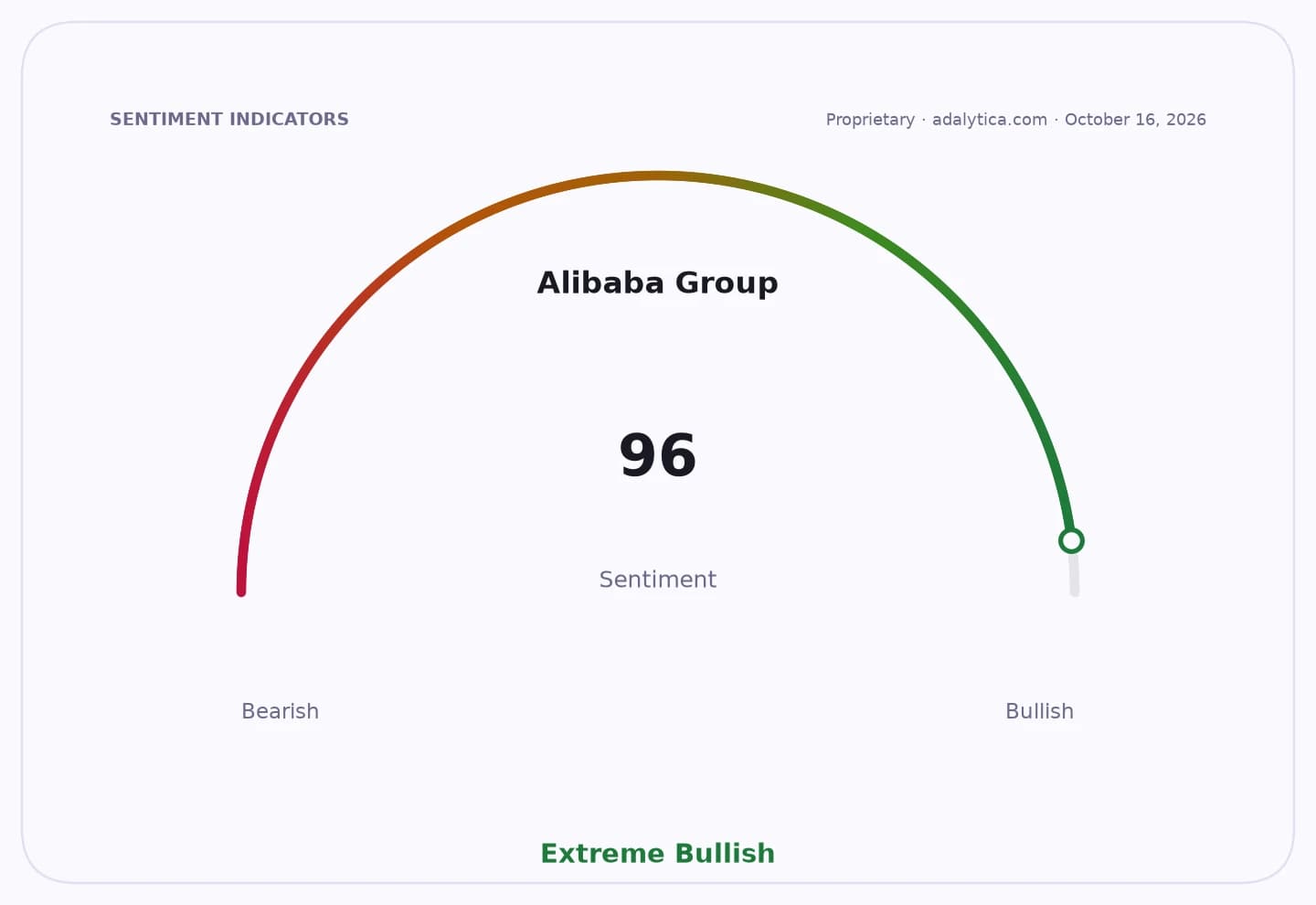
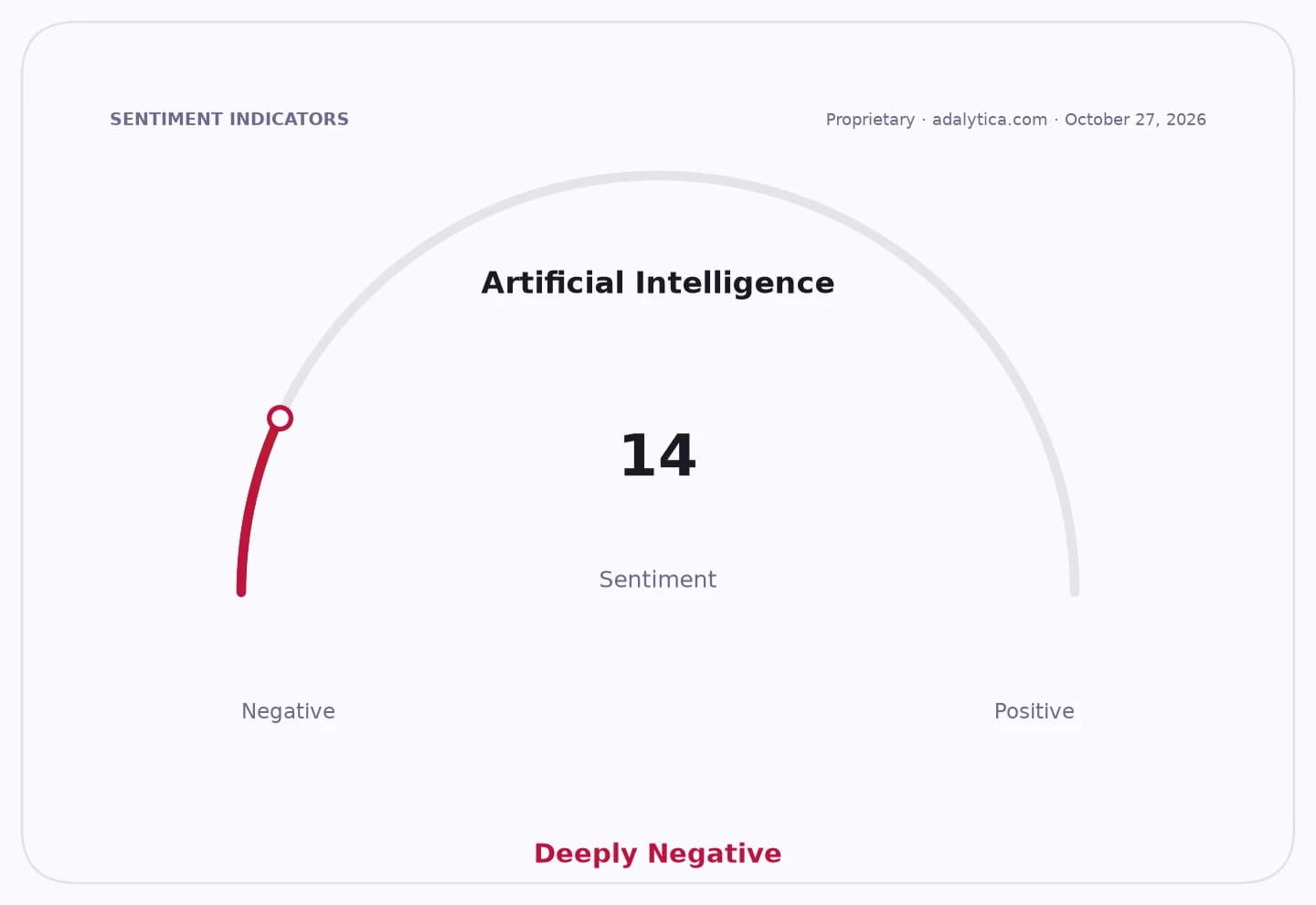
Sentiment Indicators
South Korean startup XYZ said it recently showcased its humanoid robot Duce at the 2026 Industrial AI Expo, positioning social intelligence as the next core capability in physical AI. Duce uses the company’s Gesture Studio and BrainX framework to combine hand motions, head movement, facial expression and sound feedback in real time, with more than 3,000 nonverbal expression combinations.
The company said Duce is already being used in education and research, including 10 units supplied to Nvidia-linked physical AI robotics training courses. It is also due to be piloted in retail stores and office buildings this year before the company extends it to household use.
Pricing underscores how developers are targeting an emerging premium segment. The base Duce is listed at $29,900, while the mobile version with a moving base costs $39,900, putting the product squarely in the early-adopter and enterprise-testing category rather than mass consumer retail.
The broader race is pulling in bigger players. Samsung Electronics has shown its Ballie home AI robot, which follows users and responds with lights, screen projection and movement, while LG Electronics is leaning on “empathy intelligence” in its Q9 mobile AI home hub. Care robots such as LunaK are also being upgraded to interpret user mood and surroundings through cameras and sensors.
For investors, the story is less about any single robot and more about the commercialization path for physical AI. Robots that can interact naturally have a better shot at recurring deployments in service environments, while firms that fail to solve the human side of automation may remain stuck in narrow industrial use cases.
That matters for robot makers, component suppliers and AI platform providers as the industry shifts from proving mobility and manipulation to proving social acceptance. The next catalysts are likely to be field trials in retail, offices and homes, along with signs that these systems can move from demonstrations into repeatable purchases.
| Entity | Gains | Losses |
|---|---|---|
| XYZ and rivals | ▲Broader use cases | ▼Pure factory-robot focus |
| Nvidia and AI platform partners | ▲More robotics demand | ▼Narrow hardware-only demand |
| Retail, office and care operators | ▲Lower labor pressure | ▼Higher upfront adoption costs |
| Workers in service roles | ▲Safer assisted workflows | ▼Some routine tasks and hours |