Movement in Yemen’s Taiz has nearly seized up as fuel shortages and war-related blockades send transport costs soaring and leave about 90% of local vehicles idle, deepening one of the country’s worst living-standard crises. For investors, it is a stark reminder that energy disruptions do not stay on the battlefield: they quickly filter into inflation, logistics, consumer spending and political risk.
Yemen Taiz fuel shortages cripple transport
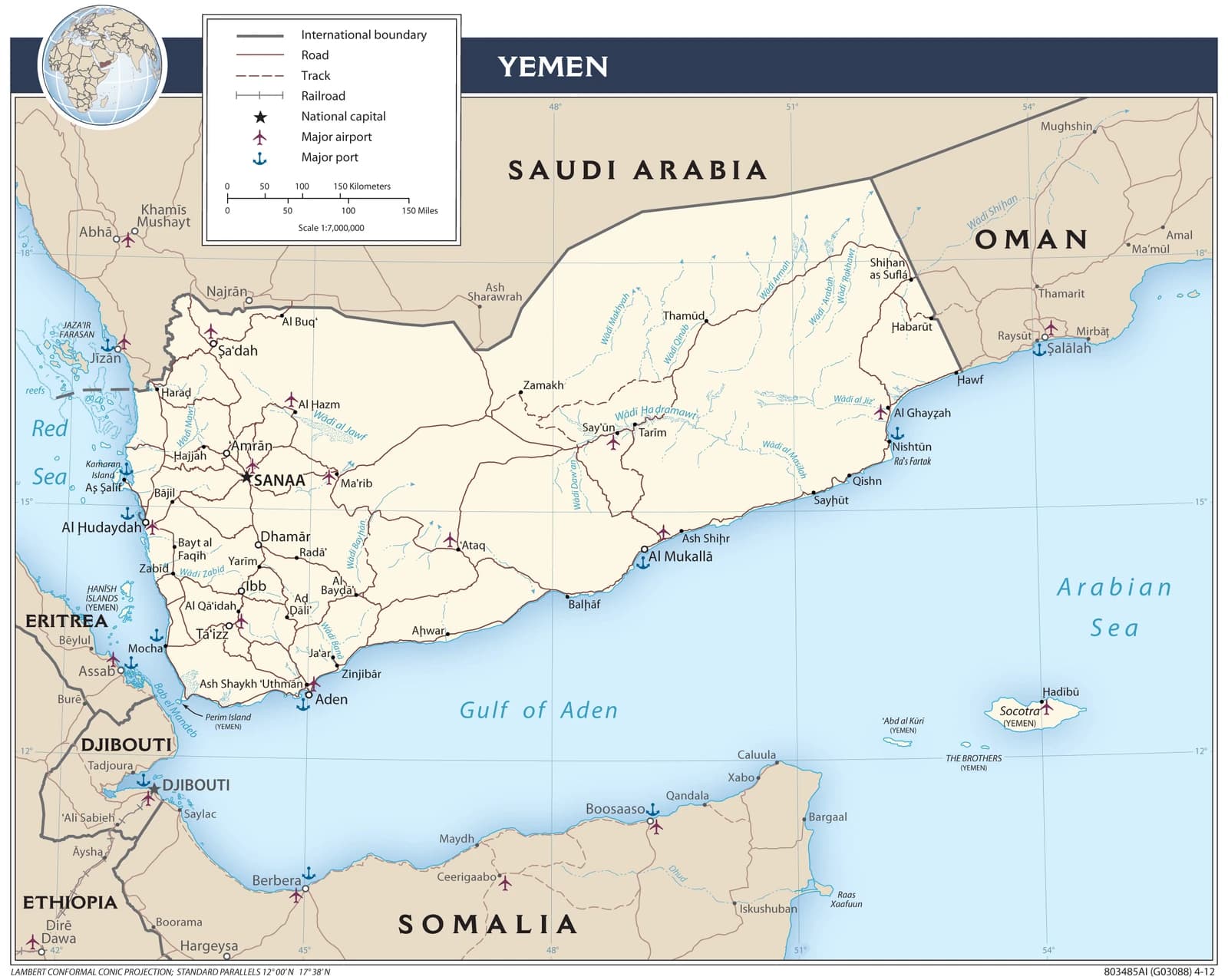
In Taiz, fares have doubled from 300 rials to 600 rials for short trips inside the city, while travel from rural districts can cost more than 10,000 rials, according to local reports. Gas cylinders used by many vehicles have jumped to more than 30,000 rials, and fuel stations are closing or rationing what little supply remains. That has crippled mobility, cut off access to work, food and medicine, and pushed prices for goods and services up by as much as 300%.
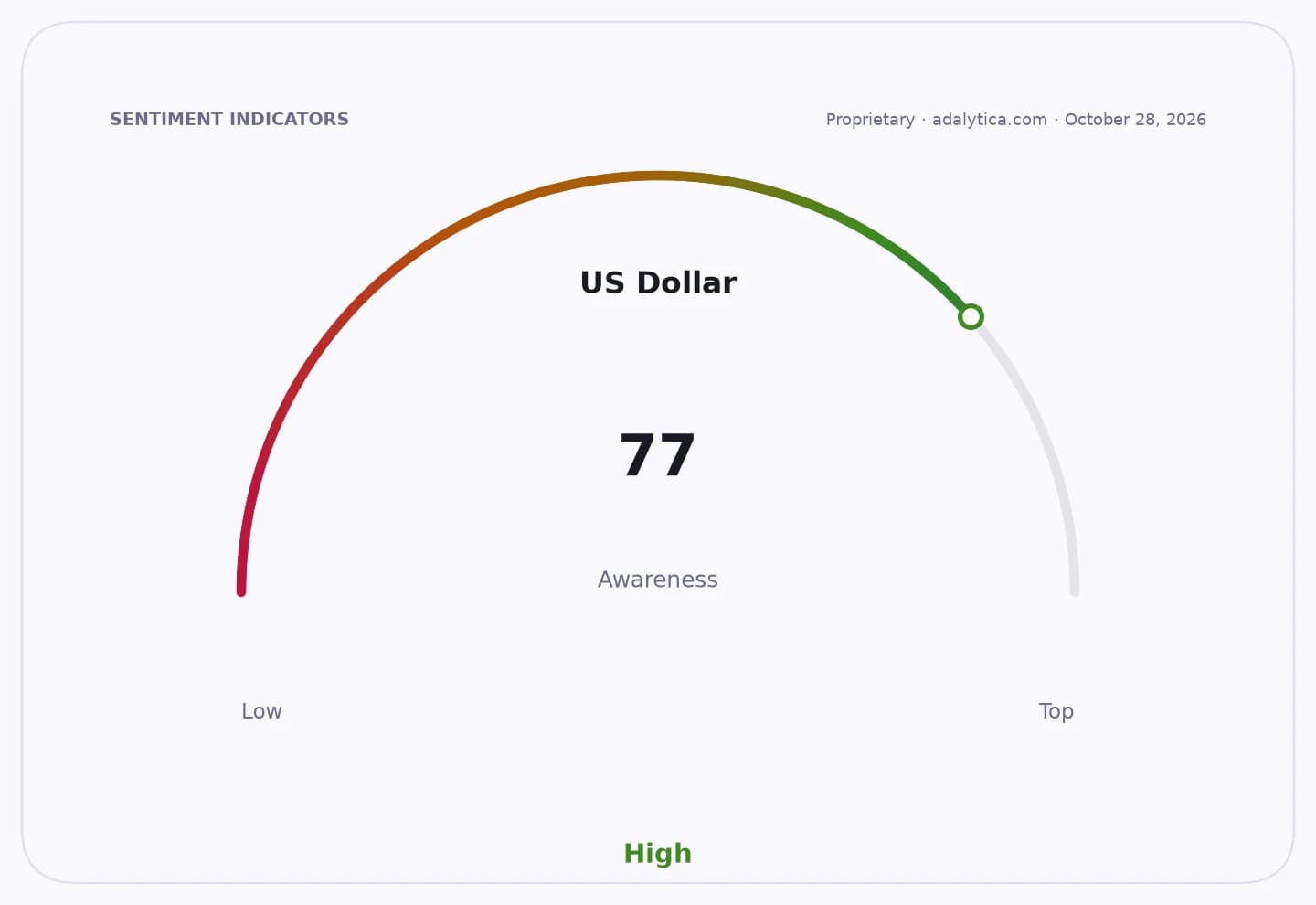
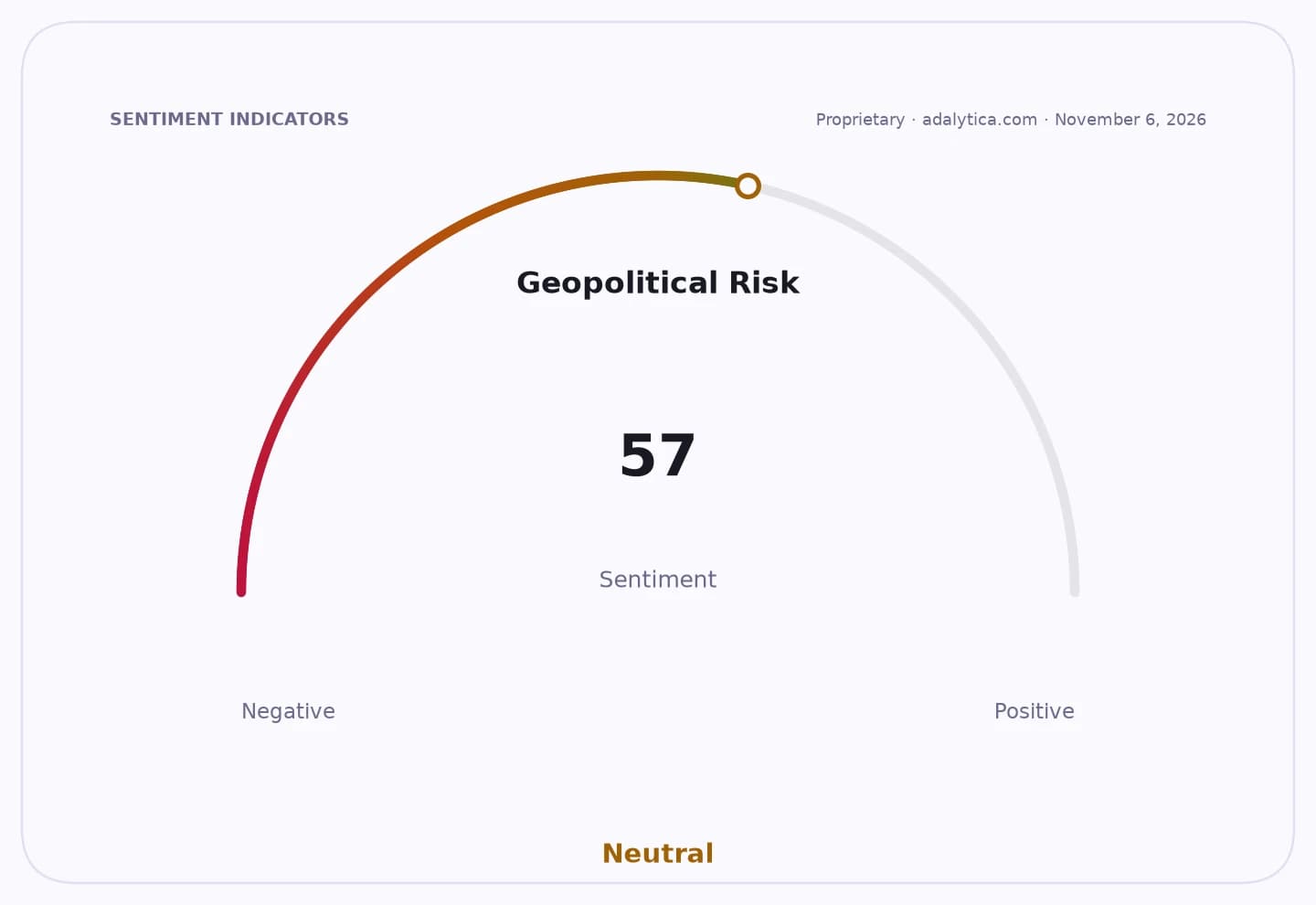
Sentiment Indicators
The economic damage goes beyond higher taxi fares. When transport stops, so do deliveries, retail activity and the informal commerce that keeps local economies alive. The report said movement of goods from the western coast and surrounding districts has been badly disrupted, while banking and exchange activity has also weakened as state institutions remain absent. In a city already facing siege conditions, the result is not just inconvenience but a collapse in the basic functioning of the market.
This is why the story matters well beyond Taiz. Yemen is one of the clearest examples of how conflict turns fuel into a force multiplier for inflation. Local transport depends heavily on gas, not petrol, so any shortage instantly raises household costs. With the rial trading at very different rates in government-held and Houthi-held areas, price discovery is already distorted. Add war damage, blocked roads and weak institutions, and consumers pay the bill through higher prices for everything from flour to electricity.
The broader oil backdrop matters too. Benchmark crude has been volatile as geopolitical risks in the Middle East remain elevated, and the Adalytica oil trade snapshot still shows neutral sentiment despite recent swings. That tells you markets are alert, but not yet in full panic mode. For investors, the key lesson is that regional conflict can tighten local supply chains long before it moves global oil balances in a lasting way.
For long-term investors, the takeaway is not to chase every crude spike, but to respect how energy scarcity ripples through currencies, transport, food prices and political stability. In fragile economies, fuel access is infrastructure. When that breaks, the damage compounds quickly. Taiz is a grim case study worth watching.
| Entity | Gains | Losses |
|---|---|---|
| Fuel sellers with inventory | ▲Higher prices | ▼Public backlash |
| Taxi and bus operators | ▲Rare supply premiums | ▼Demand collapse |
| Taiz households | ▲None | ▼Mobility, incomes, access to food |
| Local businesses and traders | ▲None | ▼Deliveries, sales, foot traffic |