The first joint U.S.-Japan currency intervention in 15 years is forcing a fresh repricing across major foreign-exchange markets, lifting the yen from a 40-year low and knocking the dollar, euro and British pound off recent levels in the parallel market.
Yen Intervention Lifts Yen, Pressures Dollar, Euro, Pound
The move matters because it shows two of the world’s biggest economies are willing to step directly into currency markets when exchange-rate swings start to threaten trade competitiveness and financial stability. For investors, it raises the odds of more volatile FX trading, tighter intraday ranges and faster rotation in currency-sensitive assets.
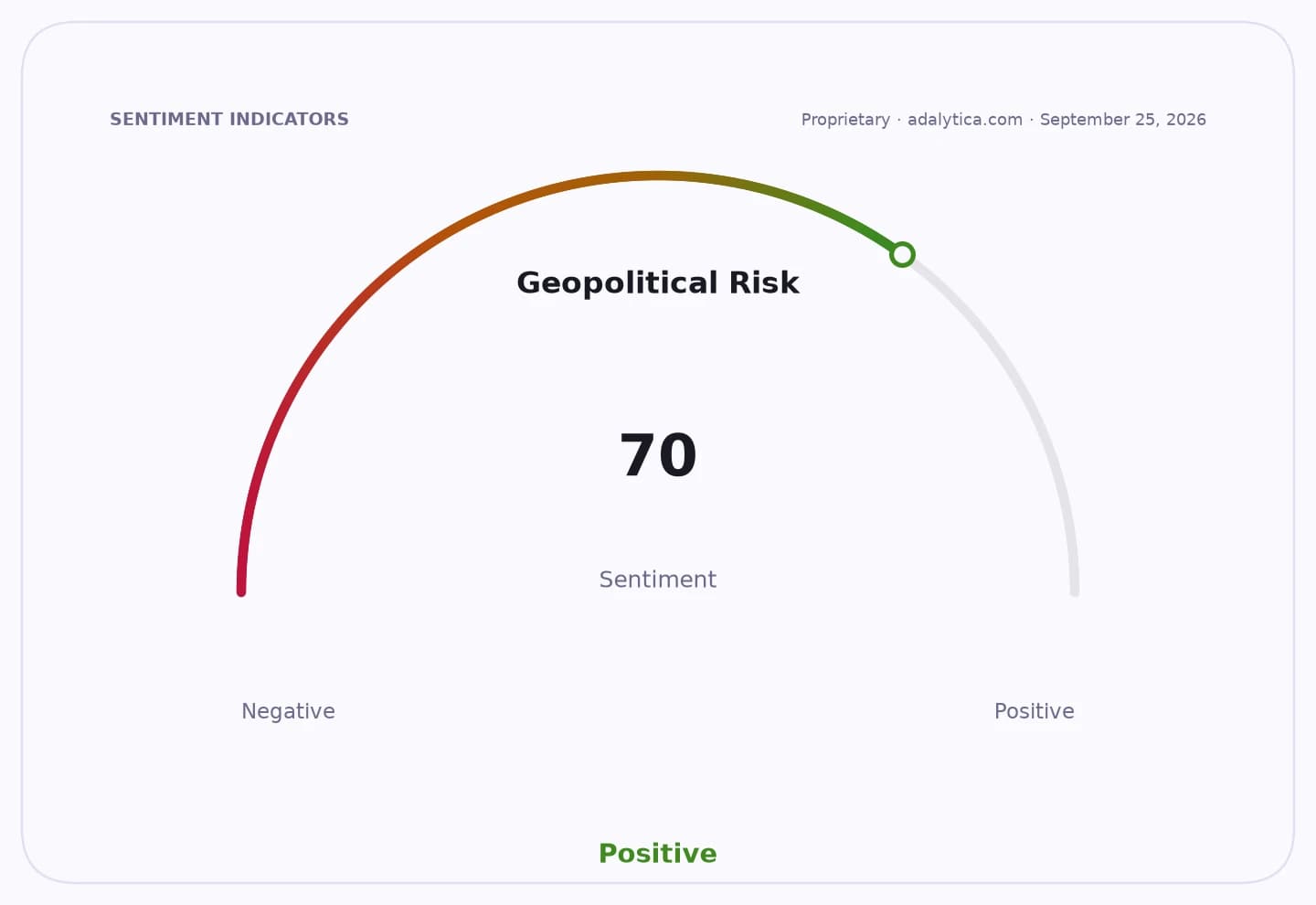
Sentiment IndicatorsⓘProprietary · adalytica.com · August 9, 2026
This is a snapshot — live sentiment, awareness and momentum for 130+ markets update continuously in the dashboard.Open AlphaPulse
Donald Trump’s confirmation of U.S. support for Japan’s currency marks a rare policy line in the sand after the yen’s sharp devaluation drew concern in Tokyo and Washington. The U.S. reportedly sold euros to help bolster the yen, a coordinated step last used 15 years ago, underscoring how far policymakers were prepared to go to slow the currency’s slide.
The dollar’s strength has been a central part of the story. Adalytica’s US Dollar Trade Signals show sentiment at 100, labeled “Extreme Greed,” with awareness also at 95, suggesting the greenback had been drawing intense attention before the intervention. That backdrop helps explain why any official action aimed at supporting the yen can ripple quickly through the euro and pound as traders rebalance positions.
Market reaction has also been visible in exchange-traded proxies. FXE, which tracks the euro, closed at 106.68 on Aug. 7, above its 50-day average of 105.83 and with an RSI reading of 70.2, while FXB, the pound proxy, finished at 129.70, also above its 50-day average of 128.23. Those technical levels suggest both currencies had been holding up, but the intervention risks sharper short-term swings if traders test policymakers’ willingness to defend the yen.
Adalytica’s FX Volatility Trading Signals point to a market already primed for turbulence, with sentiment at 75 and awareness at 100, even after the 1-day reading eased from the prior session. The euro’s trade signals remain elevated as well, with sentiment at 83 and awareness at 100, reinforcing the view that major currency pairs are in the crosshairs of a broader re-pricing.
For investors, the immediate question is whether this is a one-off warning shot or the start of a more persistent campaign to manage exchange-rate moves. If the yen continues to weaken, traders will be watching for further intervention, especially in thin market conditions, and for spillovers into exporters, importers, global equities and sovereign debt.
| Entity | Gains | Losses |
|---|---|---|
| Japanese yen | ▲Policy-backed support | ▼Short sellers |
| U.S./Japan policymakers | ▲More FX credibility | ▼Freedom to ignore market moves |
| Dollar bulls | ▲Higher U.S. rate support | ▼Reversal risk from intervention |
| Euro and pound traders | ▲Near-term volatility | ▼Directional carry trades |