Japanese companies no longer see much need to insure against a stronger yen, and that shift is helping push the currency even lower, with the dollar trading near 164 yen and the yen hovering around levels not seen in nearly four decades.
Yen Near 164 as Japanese Firms Cut Hedges

That matters because hedging flows are not just a footnote in the foreign-exchange market. When exporters and other large Japanese firms cut back on protection against yen gains, they remove a natural source of demand for the currency. In a market already leaning against the yen because of wide interest-rate gaps with the U.S., that can reinforce depreciation and make imported inflation harder to contain.
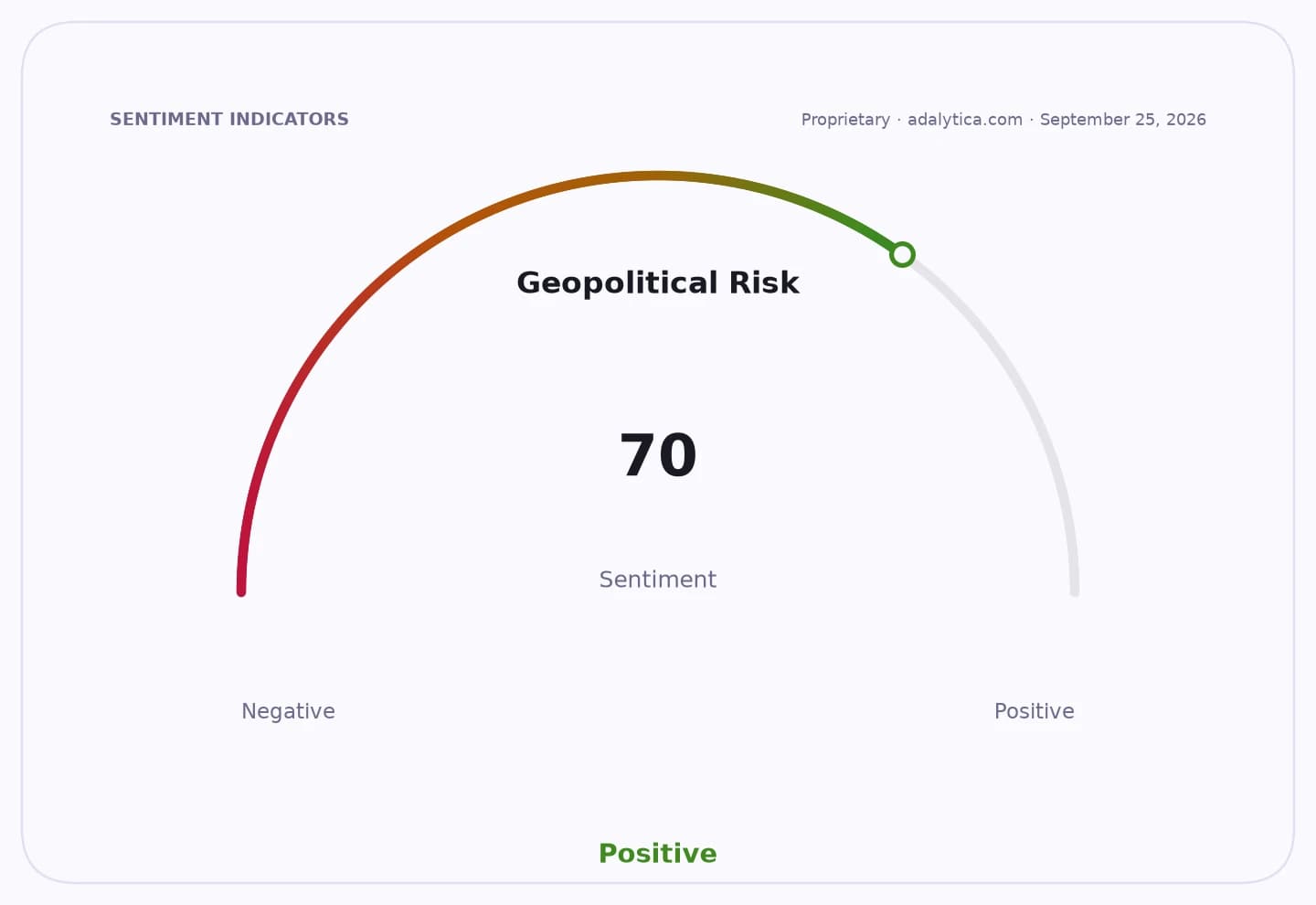
Sentiment IndicatorsⓘProprietary · adalytica.com · July 30, 2026
This is a snapshot — live sentiment, awareness and momentum for 130+ markets update continuously in the dashboard.Open AlphaPulse
For investors, the immediate effect is a mixed bag. A weaker yen can boost the overseas earnings of Japanese exporters when those profits are translated back into yen, which is one reason the currency move has often supported shares in automakers, machinery makers and other global manufacturers. But it also squeezes domestic consumers and import-heavy businesses by raising the cost of fuel, food and other essentials. That is especially important in a country already dealing with firmer inflation and a record-high minimum wage, which point to persistent pressure on household budgets.
The Bank of Japan is likely to keep policy steady for now, which leaves the currency more exposed to outside forces. With Japan and the U.S. preparing for talks about the yen’s decline, the bigger question is whether policy makers can slow the slide without choking off the benefits to corporate earnings. For long-term investors, that means the yen story is not a trade to chase for a day or a week. It is a macro backdrop that can shape profit margins, consumer spending and valuation multiples for years.
The sensible takeaway is to watch how Japanese companies behave, not just what the central bank says. If hedge ratios stay low and the BOJ remains cautious, the yen could stay under pressure. That supports a selective case for Japan’s exporters, but it also argues for patience and diversification because currency swings can reverse quickly.
| Entity | Gains | Losses |
|---|---|---|
| Japanese exporters | ▲Bigger yen profits | ▼Less hedge protection |
| Japanese consumers | ▲— | ▼Higher import prices |
| Japan Inc. overall | ▲Stronger overseas earnings translation | ▼Currency volatility |
| U.S. dollar | ▲Relative strength | ▼— |