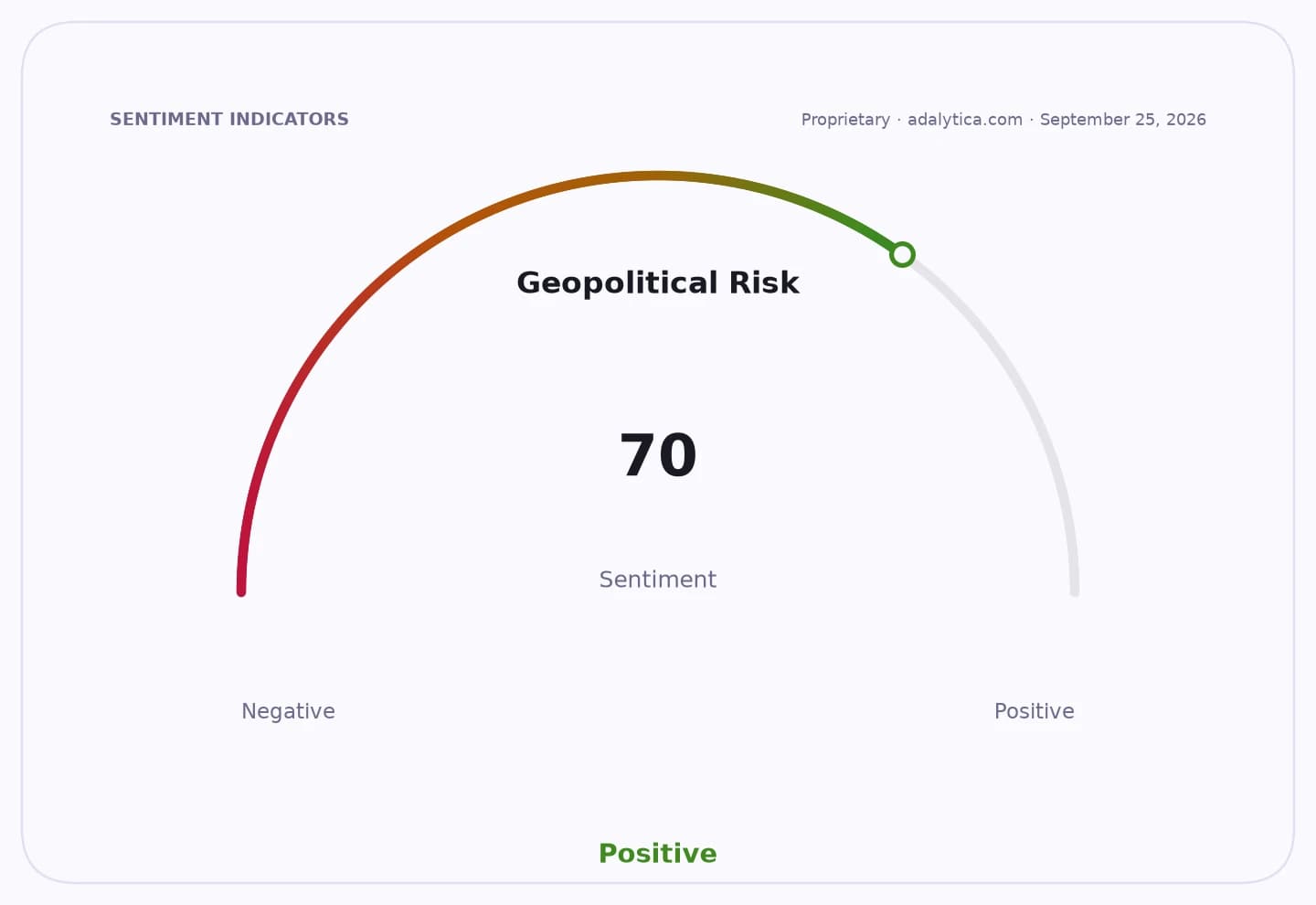
The yen’s slide past 163 to the dollar is the clearest sign yet that markets are treating Middle East escalation as a fresh dollar-buying, risk-cutting event — and that matters because it can tighten global financial conditions fast, raise imported energy costs for Japan and keep pressure on policymakers to intervene.
Yen Slumps as Geopolitical Risk Boosts Dollar
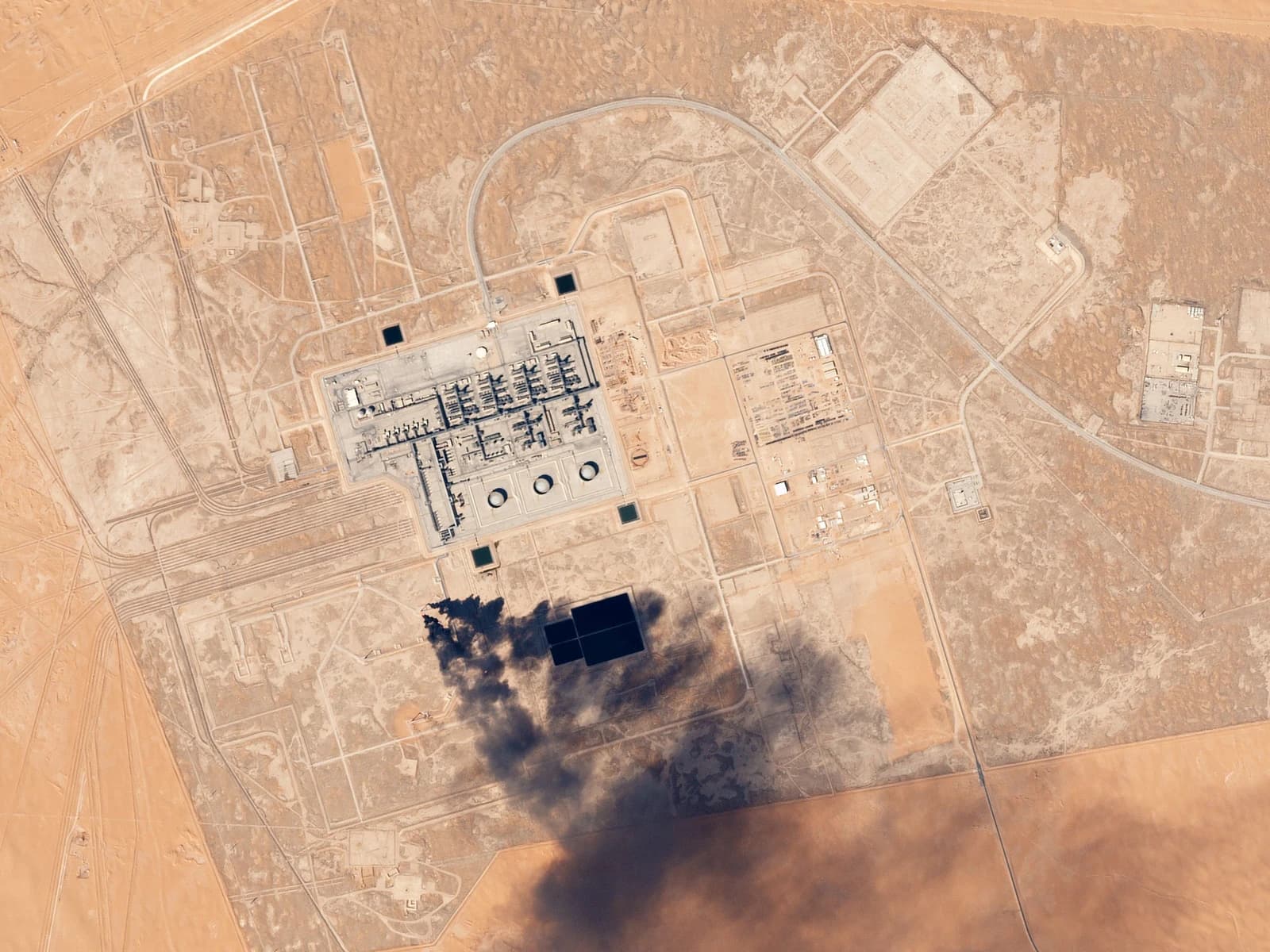
What is happening is bigger than a single FX print. A jump in oil prices of more than 3% after tensions between the United States and Iran raised fears over shipping through the Strait of Hormuz is reviving the old playbook: when geopolitical risk spikes, investors reach for the dollar, sell cyclical currencies and hedge through energy. The result is a toxic mix for Japan, which sits at the intersection of a weak currency, a large energy-import bill and fragile domestic inflation dynamics.
Sentiment IndicatorsⓘProprietary · adalytica.com · July 22, 2026
This is a snapshot — live sentiment, awareness and momentum for 130+ markets update continuously in the dashboard.Open AlphaPulse
The dollar’s own trading signals underscore that shift. Adalytica’s U.S. dollar snapshot shows sentiment at 49, or neutral, but with a seven-day change of 26 points, suggesting the currency is regaining traction as the market prices in geopolitical stress. By contrast, FX volatility is flashing extreme fear, with sentiment at 11 and awareness at 7, a classic sign that investors are paying up for protection rather than leaning into carry trades. Global stability sentiment is even worse, at 4, reflecting how quickly the market has gone from complacency to defensive positioning.
For Japan, that is the dangerous combination. A weaker yen lifts the local cost of crude and liquefied natural gas just as oil is moving higher, squeezing household purchasing power and adding to pressure on corporate margins for import-heavy sectors such as airlines, chemicals and utilities. It also complicates the Bank of Japan’s balancing act: a currency slide can reinforce imported inflation, but aggressive tightening risks hitting a still-leveraged domestic economy.
The market signal in energy is equally important. U.S. oil proxy USO has surged to 128.85, well above its 50-day moving average of 125.56 and its 200-day average of 97.89, with RSI readings at 78.1, a level that points to an overbought but still forceful trend. That tells investors the move is not just noise — it reflects a real repricing of supply risk. Brent near $85 a barrel, as the market braces for possible disruption in the Strait of Hormuz, keeps the pressure on every importer from Japan to Europe.
This is why the yen’s break matters beyond FX desks. It is a warning that geopolitics can rewire macro trades in a hurry: higher oil, a stronger dollar, more volatility and less appetite for carry. Japan is the most obvious casualty, but the broader winners are energy producers, U.S. dollar assets and defense-linked names that benefit when risk aversion rises. The losers are Japanese consumers, import-dependent companies and anyone positioned for a smooth, low-volatility path to currency normalization.
The investable takeaway is straightforward: I believe investors should respect the dollar’s geopolitical bid and treat energy exposure as a hedge, not a trade to fade. If Middle East tensions persist, the yen could remain under pressure far longer than consensus expects, and that creates an asymmetric opportunity in dollar-linked assets, oil services and U.S. energy equities while Japanese importers stay in the crosshairs.
| Entity | Gains | Losses |
|---|---|---|
| U.S. dollar | ▲Safe-haven demand | ▼Yen shorts |
| Oil producers | ▲Higher crude prices | ▼Energy importers |
| U.S. energy ETFs | ▲Geopolitical tailwind | ▼Airline and utility margins |
| Japanese exporters | ▲Competitive FX boost | ▼Japanese households |